


Antique Military Jewellery
Antique military jewellery gathers regimental badges, campaign medals, and silver pocket watch chains into personal ornaments worn with pride.
Antique Military Jewellery
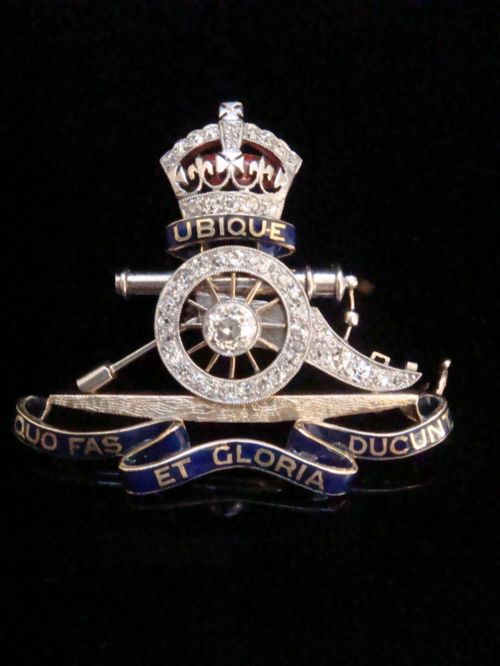
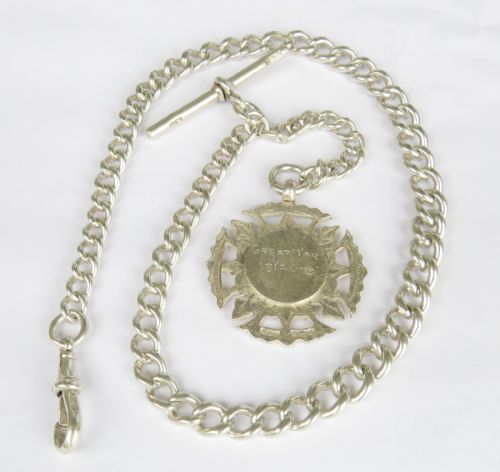
When you search for antique military jewellery, you encounter pieces that connect personal adornment with service history. These items range from diamond and yellow gold Royal Artillery brooches to silver pocket watch chains bearing Great War fobs.
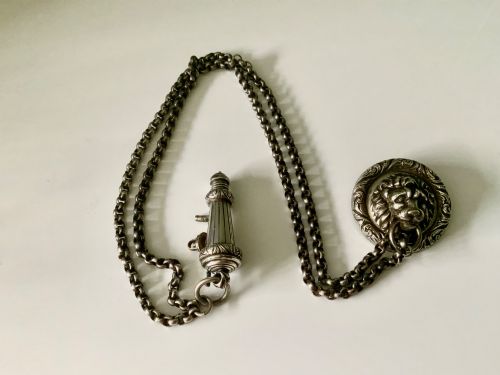
The most common forms on this page include regimental cufflinks in yellow gold, lapel pins depicting torpedoes, and infantry whistles complete with chains. Brooches and pins dominate the selection, often carrying the insignia of specific regiments.
Pieces span multiple periods from the Georgian era through the Victorian years and into the twentieth century. The design vocabulary draws directly from active service, campaign life, and regimental identity.
Materials and construction
The construction relies heavily on precious metals like sterling silver and yellow gold alongside plated base metals. Gemstones such as diamonds appear set into precious metal regimental emblems designed for lapel wear.
Fabrication techniques combine traditional jeweller's work with military ordnance detailing. Metalwork includes cast and engraved insignia, soldered chain links, and securely mounted silk ribbons on service medals.
Listings feature periods spanning from the Georgian era through the Victorian age to the twentieth century.
Assessing quality and finish
Quality shows in the crispness of the regimental casting and the security of the metal fixings. Superior examples maintain sharp detail in the insignia without softening across the edges.
The choice of materials dictates the upper tier of pieces, where solid yellow gold and genuine diamonds elevate utilitarian badges into fine jewellery. Plated items and base metal components represent the more standard output of their respective periods.
The Antique Military Jewellery Glossary
- Regimental arms
- The official badge or crest representing a specific military unit. These appear cast or engraved upon brooches, cufflinks, and fobs.
- Albert chain
- A type of pocket watch chain worn across the waistcoat. Military versions often incorporate specific service fobs or whistles.
- Service medal
- An official decoration awarded for participation in a campaign or war. These are occasionally mounted as wearable items with their original silk ribbons.
- Campaign
- A connected series of military operations forming part of a war. Items associated with these often carry specific dates and theatre insignia.
Antique Military Jewellery: Frequently Asked Questions
What periods do these pieces cover?
The pieces span from the Georgian era through the Victorian period and into the twentieth century. They reflect the aesthetic and manufacturing standards of each distinct decade.
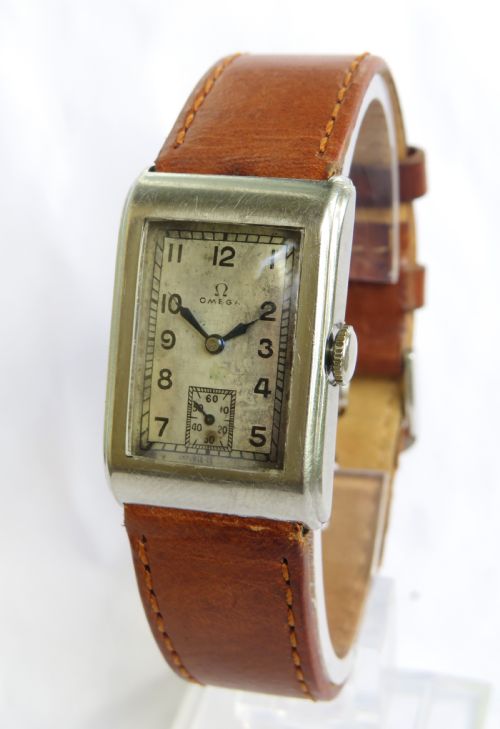
Dates range from early nineteenth-century medals to mid-twentieth-century watches and brooches, showing the evolution of military ornamentation.
How were these items worn originally?
Regimental brooches and lapel pins were fastened to lapels or civilian clothing to display unit loyalty. Pocket watch chains and cufflinks served functional roles while incorporating military insignia.
Medals were worn on uniforms during service and sometimes preserved as personal mementos by families after campaigns ended.
What materials are most common?
Silver and yellow gold appear frequently in the finer brooches, cufflinks, and watch chains. Plated metal and base metals are also utilised for whistles and lapel pins.
Textiles such as silk ribbons accompany medals, while related campaign boxes utilise woods like teak, rosewood, and mahogany.
How do I identify a regimental piece?
Look for specific heraldic crests, mottoes, and arms belonging to historical British army units. These symbols are usually engraved or cast into the surface of gold and silver items.
Descriptions often note the specific branch, such as the Royal Artillery or Light Infantry, aiding in the identification of the insignia.