





Antique Military Arms
These antique military arms and related campaign items span domestic quarters and battlefields from the Georgian era through the mid-twentieth century.
Antique Military Arms
When you search for antique military arms, you encounter a varied selection of martial artefacts ranging from flintlock muskets and regimental helmets to campaign furniture and framed commemorative embroideries. The pieces on this page bridge active service equipment and the decorative arts commissioned to mark military campaigns.
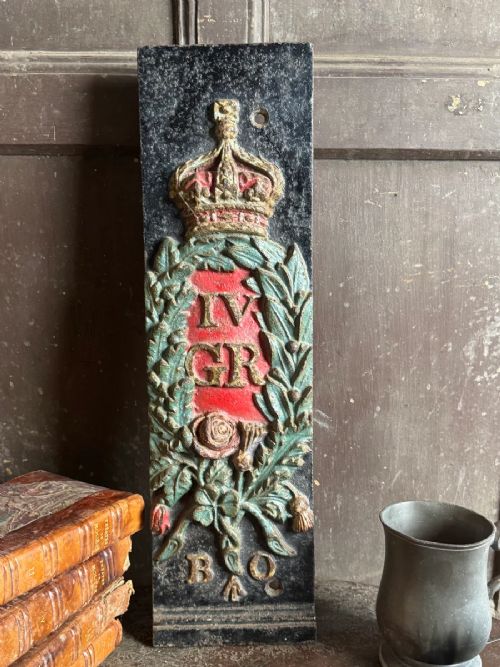
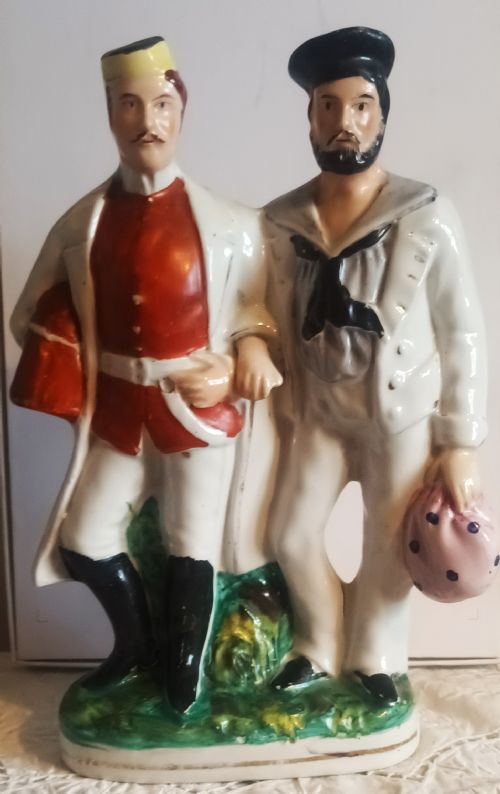
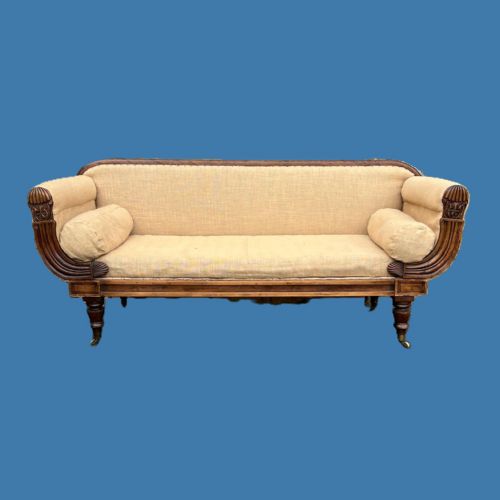
You are most likely to meet nineteenth-century items, including Victorian Staffordshire pottery figures, George IV campaign sofas, and European officers' helmets. Alongside firearms like the English Brown Bess musket, the selection includes trench art, navigational instruments, and wall art bearing heraldic coats of arms.
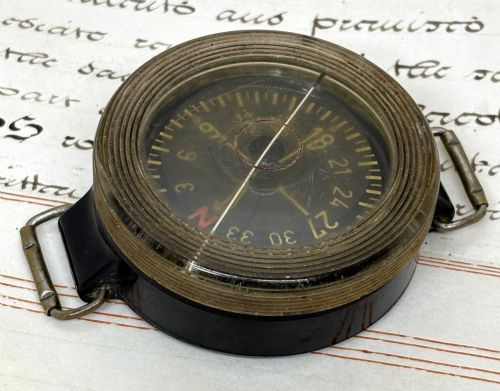
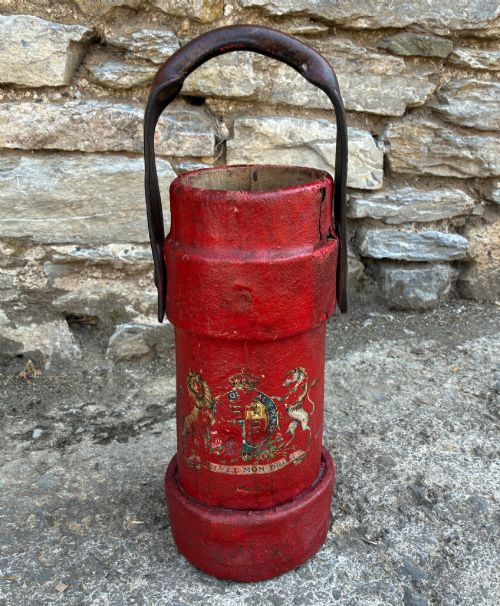
The assortment extends into twentieth-century pieces from the First and Second World Wars, such as cordite shell carriers, Luftwaffe wrist compasses, and armchairs linked to RAF Bomber Command. These items reflect both the practical equipment of armed forces and the domestic memorials created by families and regiments.
Materials and construction methods
The metal components utilise brass, cast iron, and silver, often paired with hardwood or simulated rosewood in campaign boxes and furniture. Flintlock muskets combine shaped wood stocks with forged steel barrels and brass furniture, while trench art repurposes spent brass shells through engraving and marking.
Textiles and ceramics appear frequently, constructed from leather, silk needlework, enamel, and earthenware. Staffordshire figures utilise moulded earthenware with hand-painted details, and commemorative works employ intricate silk embroidery framed behind glass.
Antique Military Arms Retail Price Guide 2026
Typical asking prices for military arms among the pieces listed under this phrase on Sellingantiques today, from the lower quarter to the upper quarter. They describe what is for sale here now, not the wider market.
Current listings incorporate items from eight distinct periods, spanning from the Georgian era through to 1940.
Assessing quality in military antiques
Quality rests upon the originality of components and the clarity of maker marks or regimental inscriptions. Items bearing verified maker signatures, such as Birmingham gunsmiths, command higher regard among collectors than unsigned equivalents.
The standard of execution in decorative works, from the carving on campaign boxes to the detail in hand-coloured watercolours and framed needlework, determines the standing of a piece. Original finish and undisturbed patina across brass, leather, and wood remain central to the integrity of each object.
The Antique Military Arms Glossary
- Flintlock
- A firearm ignition mechanism utilising a flint struck against a steel frizzen to create sparks that ignite the gunpowder charge. This system dominated military longarms from the seventeenth through the early nineteenth centuries before percussion caps were adopted.
- Campaign furniture
- Portable furnishings designed for military officers on active service, typically featuring folding mechanisms, brass corners, and durable hardwoods like mahogany or rosewood. These pieces allowed officers to maintain comfortable quarters in the field.
- Cordite
- A smokeless propellant introduced in the late nineteenth century to replace gunpowder in military ammunition. Equipment associated with its transport and storage includes specialised brass and copper carriers.
- Staffordshire figure
- Moulded earthenware ceramic figures produced in the Staffordshire potteries during the nineteenth century. Many depicted contemporary military events, alliances, and popular heroes under titles such as Companions in Arms.
Antique Military Arms: Frequently Asked Questions
What periods do these military pieces cover?
The selection spans from the Georgian era and the Napoleonic Wars through the Victorian period, Edwardian era, and both World Wars.
Items are dated through stylistic markers, regimental histories, and specific manufacturing periods noted in individual descriptions.
How do I identify authentic campaign furniture?
Authentic campaign pieces typically feature robust construction using durable hardwoods, recessed brass handles to prevent snagging during transport, and folding or dismantling designs.
Marks or stamps indicating military departments, such as the Board of Ordnance, provide further verification of military provenance.
What is trench art made from?
Trench art is commonly fashioned from discarded military brass shell casings, shrapnel, bullets, and scrap metal gathered around active zones.
Makers utilised hand engraving, repoussé, and soldering to transform these munitions into decorative plaques, inkwells, and commemorative vessels bearing regimental insignia.
How should I care for mixed-media military items?
Care depends upon the primary material, requiring gentle dusting for textiles and needlework, and minimal intervention for aged brass and wood to preserve the natural patina.
Leather components benefit from specialised conditioning to prevent drying, while metalwork should be kept free from moisture and handled with clean hands.