



Antique Metalware Vases
These antique metalware vases span centuries of skilled work in bronze, copper, brass, and pewter.
Antique Metalware Vases
When you search for antique metalware vases, you encounter a diverse range of decorative vessels spanning the eighteenth, nineteenth, and early twentieth centuries. These pieces encompass everything from small ritual objects and incense burners to large ornamental garden and display urns.
On this page, you are most likely to meet nineteenth-century bronze and copper examples, alongside distinct groupings from the Victorian era and the Meiji period. Makers from English, French, and Asian workshops utilised varied styles, including Art Nouveau lines, Arts and Crafts simplicity, and classical oriental forms.
Materials and construction methods
The construction of these vessels relies heavily on durable metals such as bronze, copper, brass, and pewter, often shaped through casting or hammering. Workshops employed techniques like chasing to apply floral and abstract surface decoration directly onto the metal body.
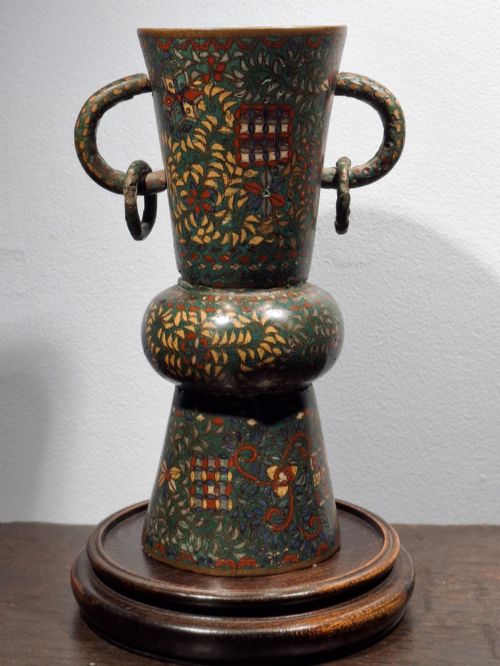
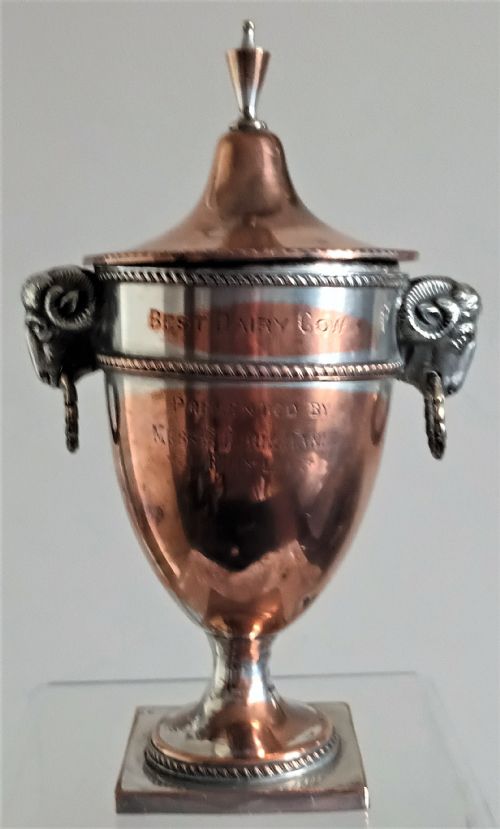
Enamel work frequently appears alongside the base metal, utilising cloisonne and champleve methods to create intricate coloured patterns. Old Sheffield plate and silver plating also feature in domestic vessels, combining base metals with thin layers of precious metal.
Antique Metalware Vases Retail Price Guide 2026
Typical asking prices for metalware vases among the pieces listed under this phrase on Sellingantiques today, from the lower quarter to the upper quarter. They describe what is for sale here now, not the wider market.
Materials span copper, bronze, brass, pewter, and enamel, styled across Arts and Crafts, Art Nouveau, and Chinese archaic designs.
Judging the quality of metalware
Quality in these vases rests on the crispness of the casting and the precision of surface decoration. Hand-chased floral details show the direct skill of the metalworker, distinguishing pieces with sharp relief from softer, mass-produced alternatives.
The weight and balance of the vessel, especially in larger bronze and copper pieces, indicate the thickness of the material and the stability of the form. Integrated handles, secure foot rings, and intact enamel cells separate standard decorative items from finer examples of period craftsmanship.
Keswick Arts And Crafts
The Antique Metalware Vases Glossary
- Chasing
- A metalsmithing technique where the artisan hammers the front of the metal to push details outward and create raised surface designs. This method gives floral and geometric patterns a tactile, three-dimensional quality.
- Cloisonne
- An enamelling technique where thin metal wires are soldered to a metal base to create compartments, which are then filled with coloured glass paste and fired. The resulting cells form intricate patterns across the surface.
- Champleve
- An enamelling method where troughs or cavities are gouged directly into the surface of a thick metal base and filled with enamel before firing. This technique produces bold designs bounded by thick metal lines.
- Old Sheffield plate
- An early composite material made by fusing a thin sheet of silver to a thicker copper ingot, producing layered plates used for domestic metalware before modern electroplating.
- Tsubo
- A traditional Japanese ceramic or metal vessel form with a wide body and a constricted neck, often utilised for decorative display.
- Gu
- A traditional Chinese ritual bronze vessel shape characterised by a flared trumpet mouth, a slender central section, and a wider base.
Antique Metalware Vases: Frequently Asked Questions
What are antique metalware vases made of?
These vessels are cast or forged from metals including bronze, copper, brass, and pewter. Many examples also incorporate decorative elements of enamel, silver, and Old Sheffield plate.
Makers selected these materials for their durability and their capacity to hold fine surface chasing, engraving, and applied patination.
How do I identify a Meiji period Japanese vase?
Meiji period vessels, dating from the late nineteenth century, frequently utilise bronze or detailed cloisonne enamel. They often feature naturalistic motifs, such as birds, flowers, and traditional landscapes, executed with high technical precision.
Examining the base and the weight of the metal helps confirm the period production methods typical of Japanese workshops at that time.
How should I clean antique metalware?
Cleaning depends entirely on the metal type and the presence of patination or applied enamel. Dusting with a soft, dry cloth is generally sufficient for daily care, avoiding aggressive commercial polishes that strip historical patina.
Enamelled and plated surfaces require particular caution to prevent scratching the delicate glass paste or wearing away thin metal layers.