



Antique Metal Window
An antique metal window or associated salvage piece brings solid period character to a room, offering robust iron or brass construction.
Antique Metal Window
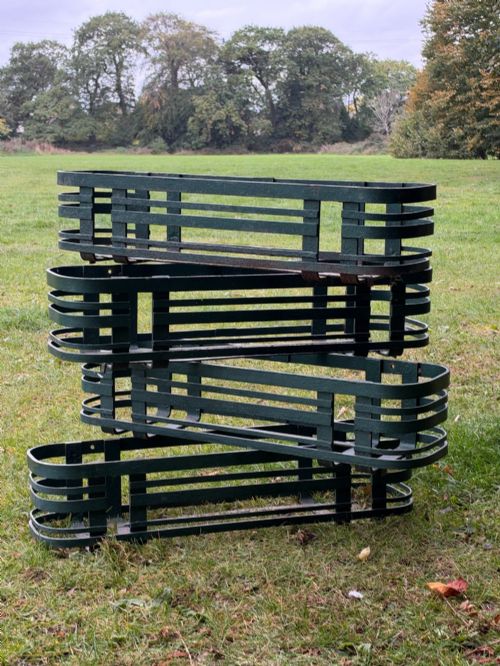
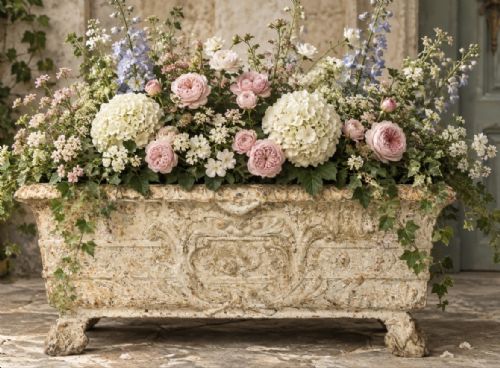
An antique metal window search covers architectural salvage items and related hardware, spanning periods from the eighteenth century through to the mid-twentieth century. Buyers encounter cast iron planters, wrought iron window boxes, brass curtain tie-backs, and French window mirrors alongside architectural panels.
The material range is varied, moving from heavy cast iron and wrought iron to decorative gilt brass and ormolu. Pieces reflect styles such as Victorian Gothic, French Rococo Revival, and Louis XVI, originating primarily from British and French workshops.
While traditional window frames appear alongside mirrors and garden containers, the selection emphasises structural metalwork and decorative furnishings meant for both interior spaces and conservatories.
Construction and materials
Items are principally fashioned from durable metals like cast iron and wrought iron, often utilised for structural garden planters and architectural panels. These heavy materials provide the rigidity needed for outdoor and conservatory use.
Finer interior accessories employ brass, gilt brass, and ormolu, showcasing detailed casting and gilding techniques typical of nineteenth-century decorative hardware. Paint surfaces and original patination frequently remain on these items.
Antique Metal Window Retail Price Guide 2026
Typical asking prices for metal window among the pieces listed under this phrase on Sellingantiques today, from the lower quarter to the upper quarter. They describe what is for sale here now, not the wider market.
Listings feature items dated across the eighteenth, nineteenth, and twentieth centuries, including specific years like 1880, 1920, and 1950.
Assessing quality and craftsmanship
Quality rests in the crispness of the metal casting and the intricacy of the decorative detail, whether on a French Rococo revival tie-back or a heavy cast iron planter. Finer examples display sharp definition in foliage or scrollwork without smoothing from wear.
The integrity of the material and the preservation of original finishes, such as gilding on brass or early paint on iron, elevate a piece. Heavier gauge metals and balanced proportions distinguish superior architectural salvage.
The Antique Metal Window Glossary
- Cast iron
- A strong, hard alloy of iron and carbon poured into moulds to create rigid forms. It is frequently seen in nineteenth-century planters and architectural panels.
- Wrought iron
- Tough, malleable iron beaten or bent into shape by hand, commonly used for conservatory garden planters and window boxes.
- Ormolu
- Finely ground high-carat gold applied to a bronze or brass base, creating a rich decorative surface on French tie-backs.
- Architectural salvage
- Building elements rescued from older structures for reuse, including metal panels and window-related items.
- Jardiniere
- An ornamental pot or planter designed for flowers or plants, often made from cast iron or brass in nineteenth-century French styles.
Antique Metal Window: Frequently Asked Questions
What periods do these metal items date from?
The pieces span from the eighteenth century through the Victorian and Edwardian eras up to the mid-twentieth century. Common markers include nineteenth-century French and Victorian designs.
Specific dates are often identified by stylistic traits such as Gothic or Rococo revival motifs, alongside the specific metal casting techniques employed during those decades.
How were cast iron planters used?
Cast iron planters and jardinieres were designed to hold heavy plants and small trees in conservatories, gardens, and grand reception rooms. Their sturdy weight made them suitable for both indoor and outdoor settings.
They often featured decorative drainage provisions and substantial bases to support damp soil and large root systems safely.
Where do French window mirrors originate?
French window mirrors are typically created by adapting antique metal window frames or architectural salvage into functional looking glasses. They reflect the light and proportions of period French fenestration.
These pieces usually retain original iron or painted metal frames that date back to the nineteenth century.
How do I care for antique metalwork?
Preserving antique metal involves keeping pieces dry and gently dusting intricate castings on items like brass tie-backs or iron planters. Avoid abrasive cleaners that strip original patination or paint.
For outdoor iron pieces, monitoring for moisture helps protect the metal from further oxidation while maintaining its historic surface character.