



Antique Metal Wall Brackets
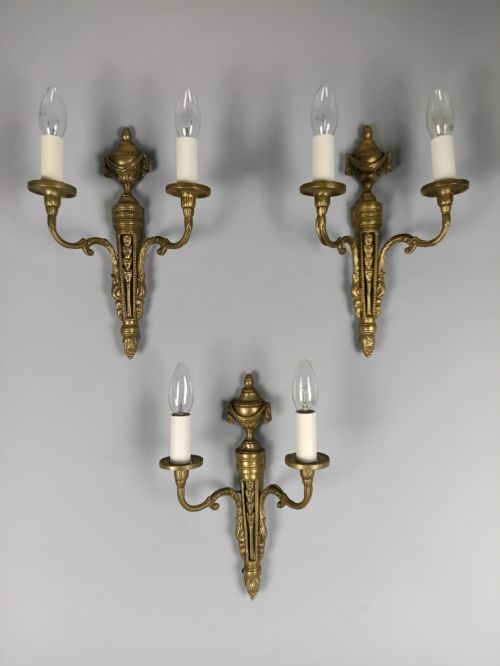
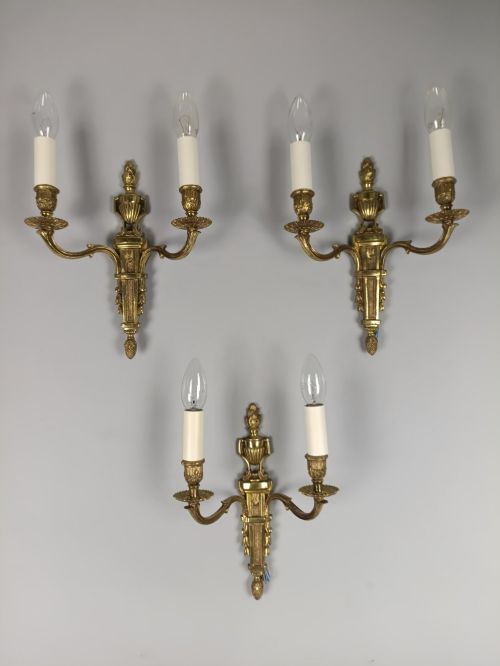
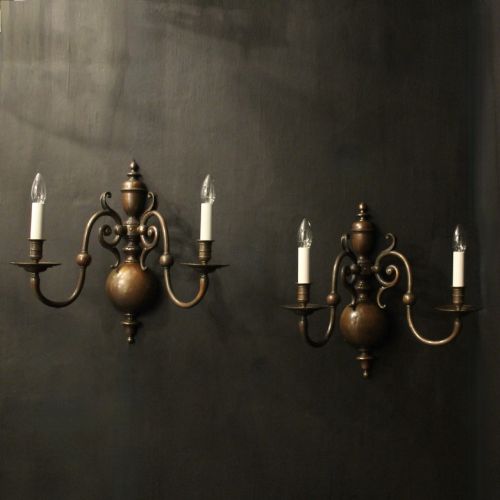
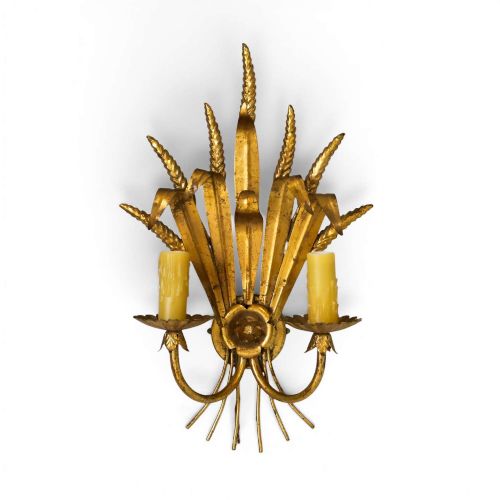
Antique metal wall brackets span from functional cast iron shelf supports to ornate French gilded bronze sconces designed to project light across a room.
Antique Metal Wall Brackets
When you search for antique metal wall brackets, you encounter a diverse group of objects designed to be fixed to vertical surfaces for illumination, support, or signaling. These pieces include wall lights, sconces, architectural salvage, shelf brackets, trade signs, and wall bells dating from the Victorian and Edwardian eras through the early twentieth century.
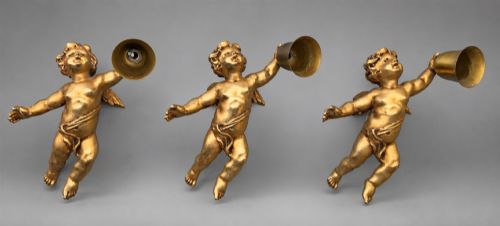
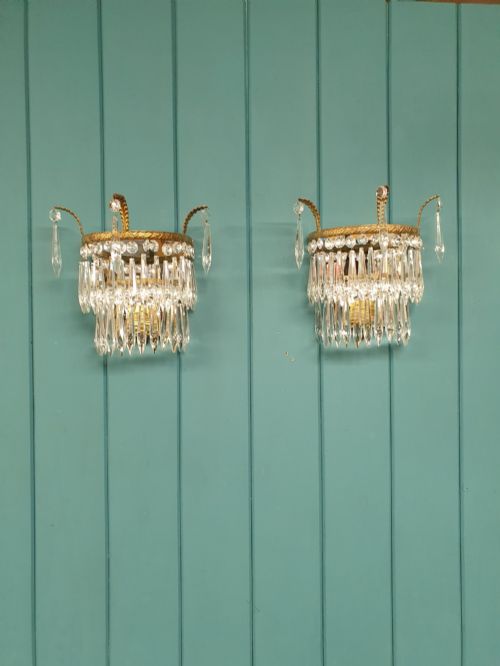
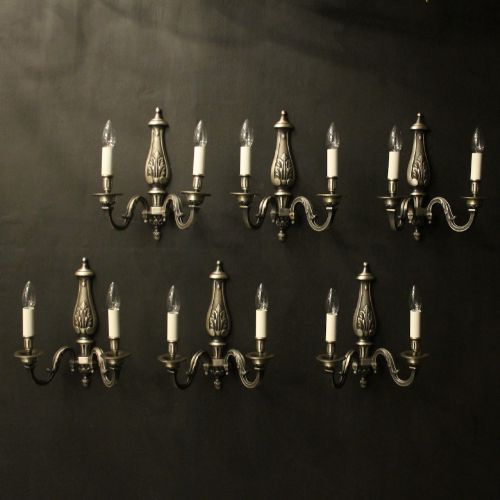
Lighting fixtures dominate this category, particularly pairs of wall lights and sconces originating from France or England. Alongside these functional lights, you find structural shelf brackets in cast iron, trade signs, and mounted tower bells that reveal the varied domestic and commercial uses of metalwork from the nineteenth century onward.
Materials and construction methods
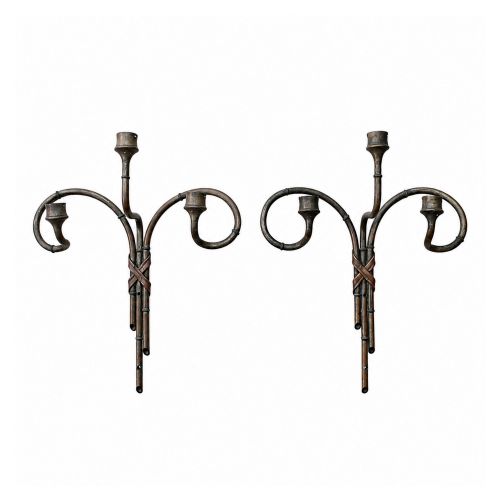
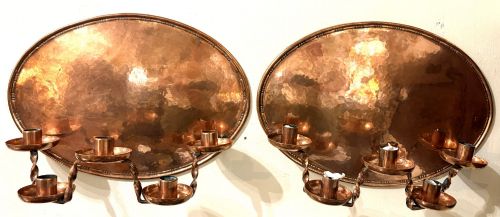
The construction of these brackets relies on metals such as wrought iron, cast iron, bronze, brass, copper, and gilt metal, often shaped through casting, forging, or beating. Makers utilised surface treatments like gilding, silver plating, polychrome paint, and toleware finishes to enhance the visual impact of the metal.
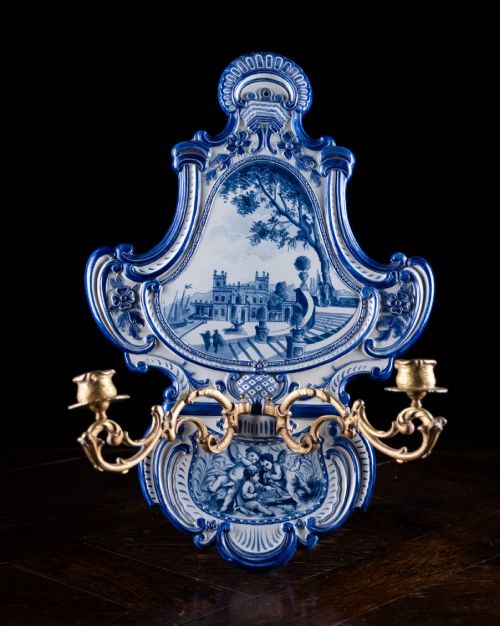
Many lighting brackets incorporate decorative elements such as glass components, mirror backs, and carved wood or giltwood frames. Wrought and cast iron pieces demonstrate robust forging techniques suited for heavy load-bearing shelf supports and architectural brackets.
Antique Metal Wall Brackets Retail Price Guide 2026
Typical asking prices for metal wall brackets among the pieces listed under this phrase on Sellingantiques today, from the lower quarter to the upper quarter. They describe what is for sale here now, not the wider market.
Wrought iron, bronze, brass, and copper dominate the metal compositions across these historical wall fixtures.
Assessing quality in metalwork
Quality in antique metal wall brackets is determined by the crispness of the casting, the depth of the chased or forged detail, and the preservation of the original surface finish. Finer examples show meticulous hand-finishing on bronze and brass, whereas simpler utility items rely on plain cast iron or painted wrought iron.
The integrity of the original mounts, brackets, and suspension fixings dictates the desirability of a piece. Comprehensive sets, matching pairs, and items retaining their original gilding or patination stand apart from single or heavily restored examples.
Henri Picard
The Antique Metal Wall Brackets Glossary
- Wall sconce
- A candle or electric wall light fixed to a vertical surface with a decorative bracket. Sconces often feature multiple arms and reflective mirror backs.
- Architectural salvage
- Building components and structural elements rescued from older properties. This includes heavy iron shelf brackets and specialised wall fixings.
- Toleware
- Lacquered or painted sheet metal items popular in period interiors. It often appears in coloured or gilt decorative brackets and lighting fixtures.
- Gilt bronze
- Bronze metal treated with a thin layer of gold or gold-coloured alloy. Also known asormolu, it is frequently found on French decorative wall lights.
- Trade sign
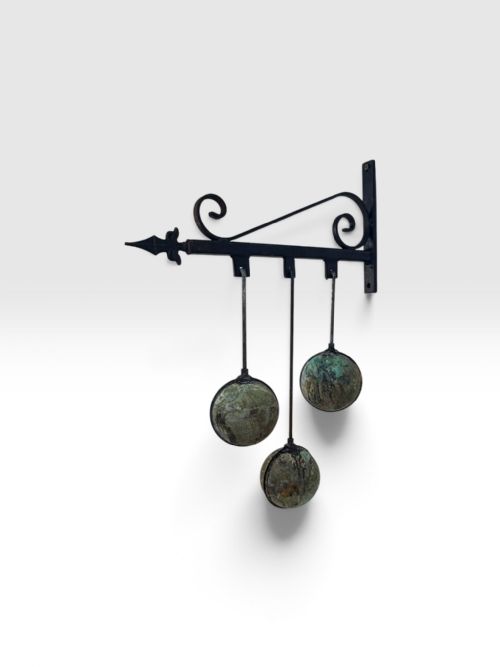
- A hanging bracket or marker used by businesses to advertise their services. Examples include pawnbrokers' signs mounted on metal brackets.
Antique Metal Wall Brackets: Frequently Asked Questions
What periods do these metal brackets date from?
The listings encompass pieces from the Victorian and Edwardian eras, stretching from the mid nineteenth century through the 1920s and 1930s. You will find items representing nineteenth century revival styles alongside early twentieth century Arts and Crafts metalwork.
Most items cluster around the late nineteenth century and the decades immediately following the First World War. This range captures both heavy utilitarian ironwork and refined French decorative lighting.
How were wall brackets used historically?
Wall brackets served both practical and decorative functions in domestic and commercial interiors. Lighting brackets held candles, gas fittings, or early electric bulbs to illuminate rooms, while sturdy iron brackets supported heavy shelving.
Other surviving forms include trade signs hung outside shops, architectural bells mounted on pivoting brackets, and specialised wall thermometers. Each piece was engineered to be permanently secured to masonry or wood panelling.
Are these brackets sold as matching pairs?
Many of the wall lights and shelf brackets appear as matched pairs, which were originally manufactured to flank mirrors, fireplaces, or architectural doorways. Symmetrically balanced sets are particularly common among French gilded bronze and Arts and Crafts copper sconces.
You also encounter individual pieces, such as single trade signs, large tower bells, or standalone iron brackets. Checking the listing details clarifies whether multiple matching units are available together.
How do I care for antique metal finishes?
Preserving the original surface requires gentle dusting with a soft, dry cloth and avoiding abrasive cleaning agents or metal polishes that strip historic patination. Gilt bronze and painted surfaces are particularly sensitive to harsh chemical treatments.
If the piece is wired for electricity, ensure a qualified electrician inspects the internal components before installation. Maintaining stable indoor humidity levels also protects against corrosion on exposed iron and copper.