



Antique Iron Brackets
Antique iron brackets are functional structural supports built from enduring metal, offering both industrial utility and period character for walls.
Antique Iron Brackets
These antique iron brackets encompass a diverse mix of architectural salvage, trade signs, shelf supports, and hanging fixtures discovered across the nineteenth and early twentieth centuries. Pieces span the Victorian, Edwardian, and industrial eras, originating from domestic, commercial, and municipal settings.
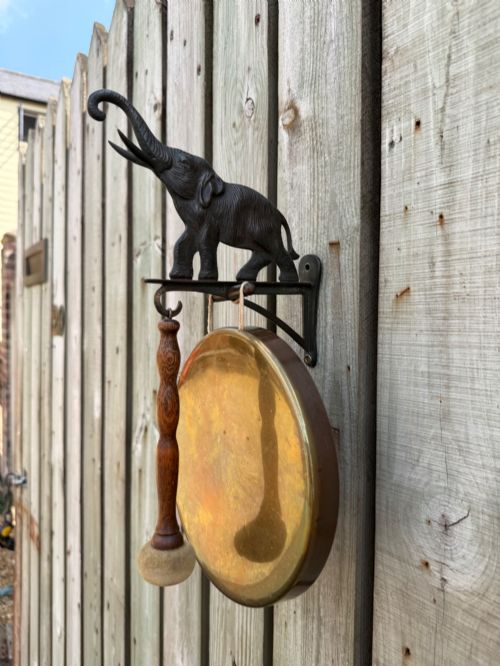
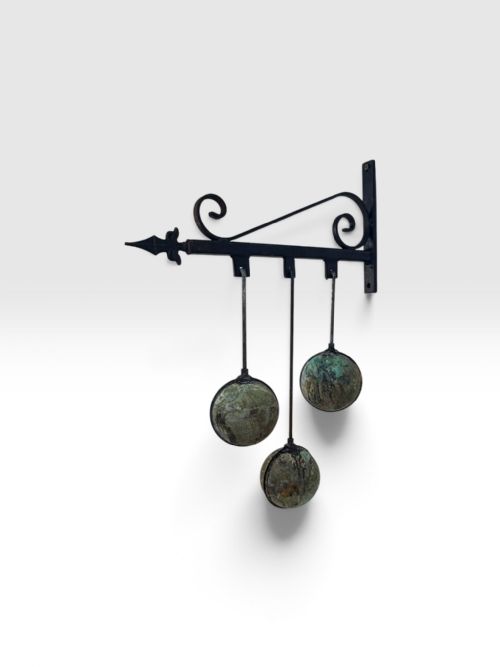
Buyers encountering this selection will frequently find utilitarian cast and wrought iron shelf supports alongside more specialised items such as bell mounts, sign arms, and architectural fragments. Styles range from plain industrial forms to decorative Victorian motifs featuring dragons or Gothic revival details.
How they were made
Makers utilised casting and forging techniques to shape iron, bronze, copper, and brass into robust brackets designed to bear significant loads. Cast iron elements allowed for intricate relief ornamentation like dragons and Gothic tracery, while wrought iron was hand-hammered into strong structural arms.
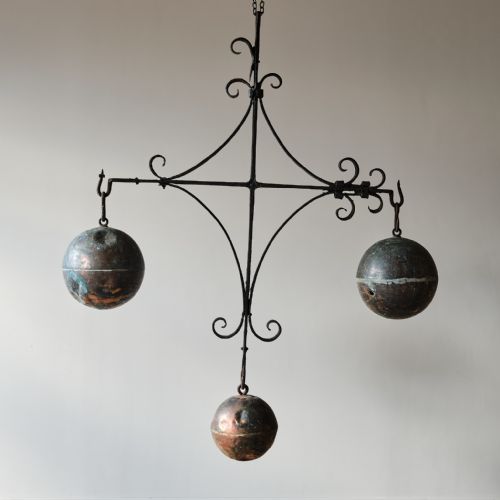
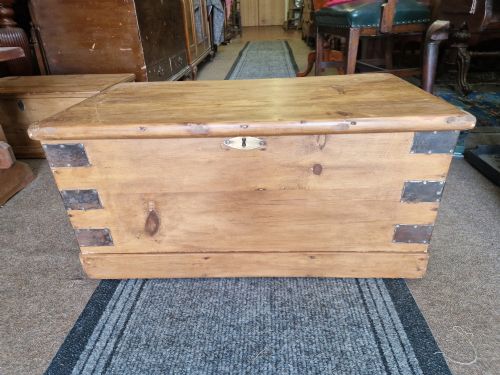
Combinations of metals frequently occur, pairing iron frameworks with copper shades, brass fittings, or bronze bells. Wooden elements like pine occasionally integrate into shelf boards or boxes supported by these metal brackets.
Antique Iron Brackets Retail Price Guide 2026
Typical asking prices for iron brackets among the pieces listed under this phrase on Sellingantiques today, from the lower quarter to the upper quarter. They describe what is for sale here now, not the wider market.
Listings feature items spanning the nineteenth century through the 1930s, incorporating materials such as iron, bronze, copper, brass, glass, and pine.
What varies in quality
The distinction between standard utility hardware and superior examples lies in the crispness of the casting and the ambition of the design. Elaborate sculptural details, such as moulded dragons or fine Gothic tracery, elevate a simple bracket into a piece of decorative art.
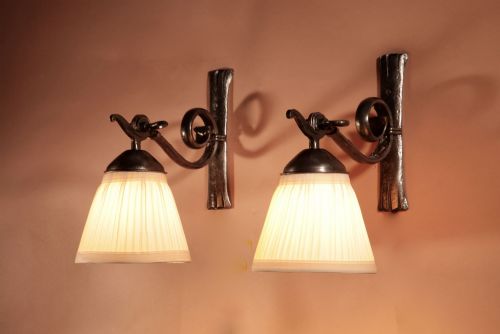
Originality of finish and completeness of associated components also determine the standing of a piece. Brackets retaining their original hanging fixtures, paired lanterns, or mounted bells command greater interest than isolated or modified fragments.
The Antique Iron Brackets Glossary
- Cast iron
- A strong, hard iron-carbon alloy poured into moulds to create complex shapes and decorative relief patterns. This method allowed Victorian makers to produce ornate shelf supports in large quantities.
- Wrought iron
- A tough, malleable iron variety beaten and bent by hand into durable structural forms. It provides exceptional tensile strength for sign brackets and load-bearing arms.
- Architectural salvage
- Building parts and fixtures rescued from structures slated for demolition. This category includes the heavy iron brackets and wall supports recovered from period properties.
- Gothic Revival
- A nineteenth-century design movement drawing inspiration from medieval architecture. Pieces in this style often feature pointed arches and ecclesiastical ornamentation.
Antique Iron Brackets: Frequently Asked Questions
How were iron brackets used originally?
These brackets served primarily as heavy-duty structural supports for shelves, trade signs, wall lanterns, and church or school bells. They carried the weight of projecting shop signs or sustained interior timber shelving.
In domestic and municipal buildings, utilitarian brackets also supported sinks, cisterns, and architectural overhangs where strength and longevity were paramount.
How do I identify Victorian iron brackets?
Victorian examples often display specific stylistic markers such as ornate foliate scrolls, Gothic revival motifs, or cast creatures like dragons. They frequently show the heavier casting marks and darker patinations typical of nineteenth-century foundry work.
Comparing the surface texture and manufacturing irregularities with dated examples from the same era helps confirm the period of production.
What is the difference between cast and wrought iron?
Cast iron is poured molten into a mould, resulting in rigid, brittle pieces with detailed surface decoration and uniform thickness. It excels at bearing compressive weight but can snap under sharp impacts.
Wrought iron is worked hot by hand, yielding a fibrous, bendable material that resists bending and shock. Wrought brackets are typically leaner and rely on forged scrolls rather than moulded relief.