



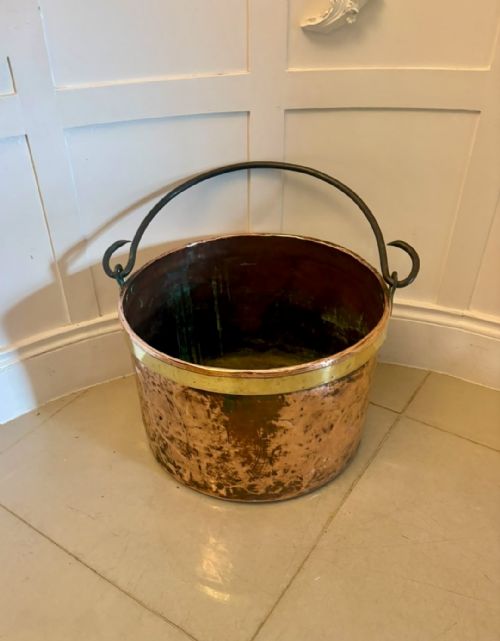

Antique Metal Tub
These heavy industrial and domestic vessels are sought after for planting and fireside storage, bringing tactile presence to rooms and gardens alike.
Antique Metal Tub
An antique metal tub encompasses domestic and agricultural vessels originally cast, hammered, or riveted for utilitarian tasks such as washing, boiling, and storing.
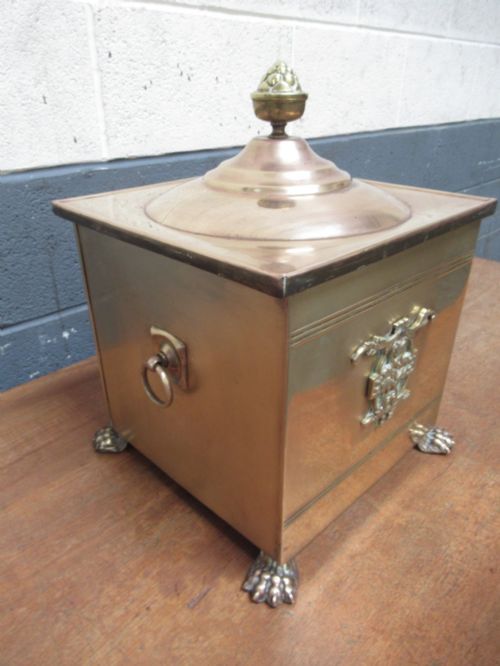
The selections available here lean heavily toward nineteenth-century copper boilers, brass coal buckets, and galvanised garden containers originating from British and continental workshops.
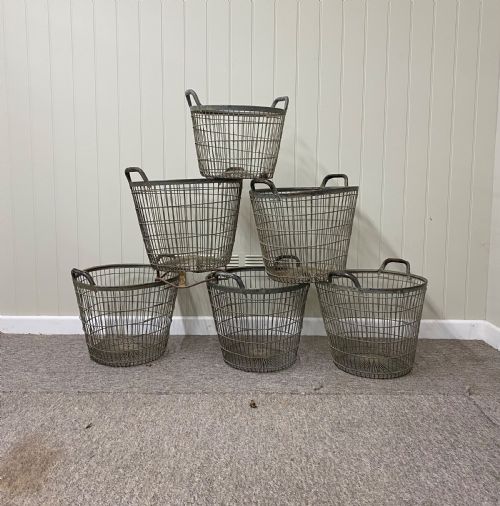
Buyers encounter forms ranging from large French cheese vats and grain measures to Victorian planters and log bins designed for functional longevity.
How they were made
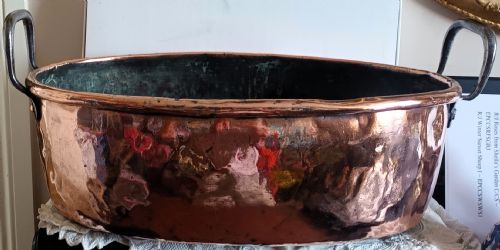
Metals such as copper, brass, iron, and galvanised steel form the structural body of these pieces, often shaped by hand hammering or sheet rolling.
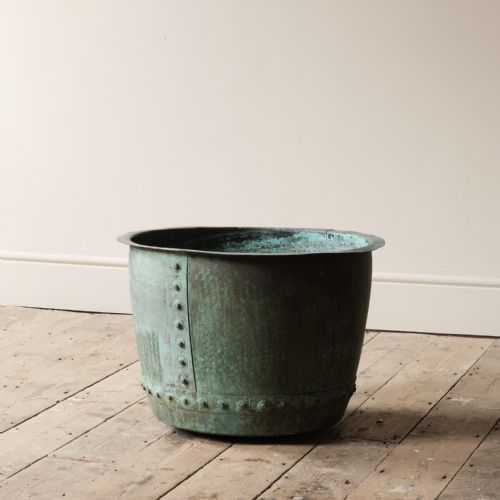
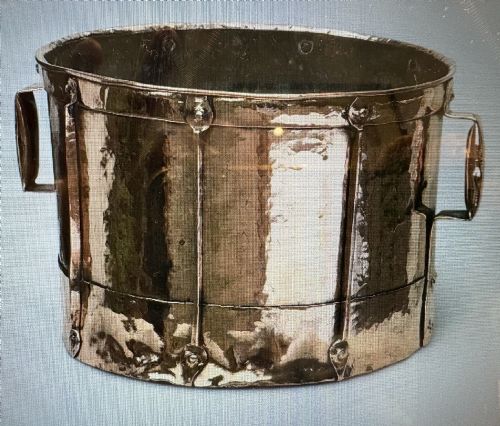
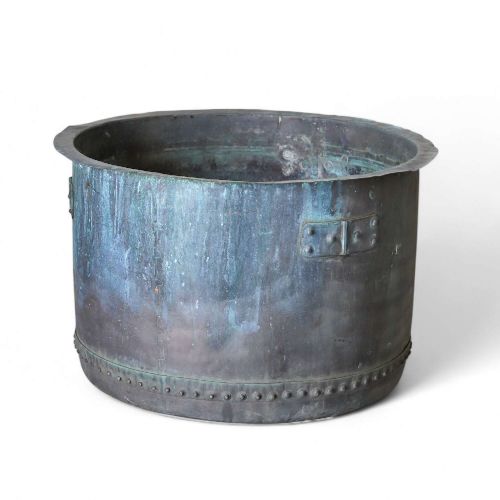
Construction details include hand-driven rivets joining heavy plates, wrought iron swing handles attached with loops, and applied brass fittings or crests.
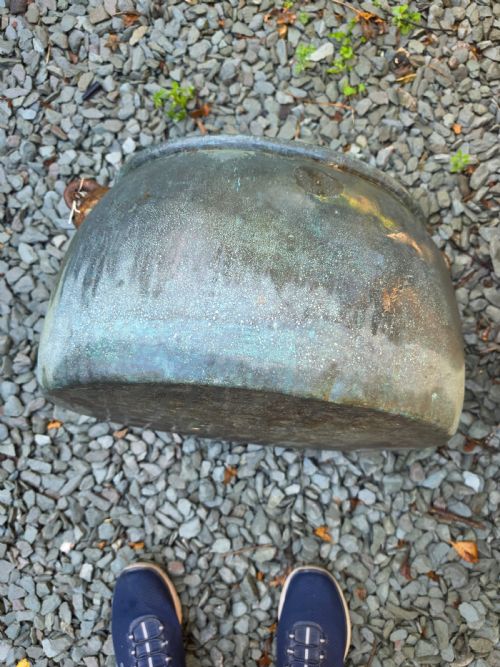
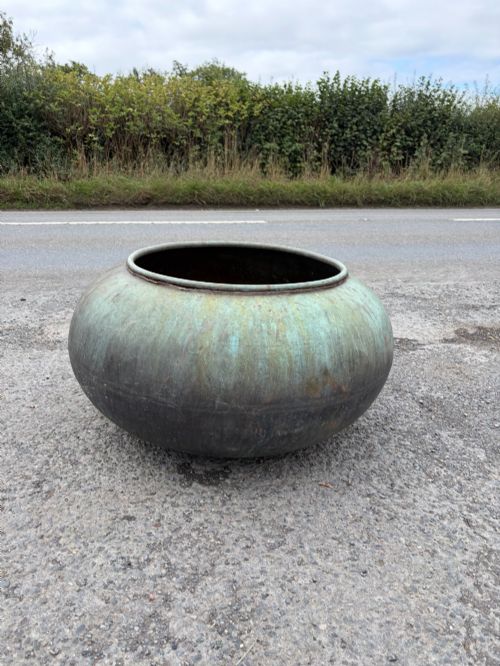
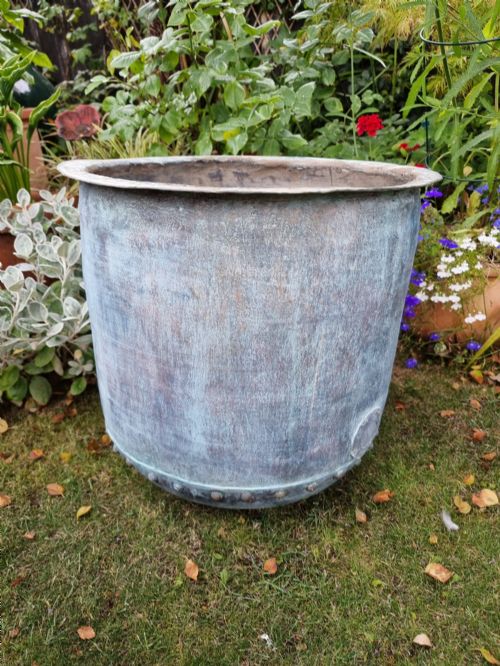
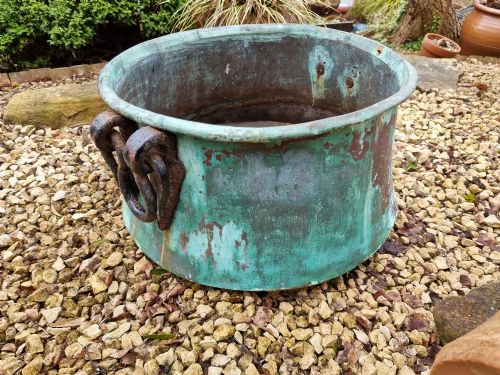
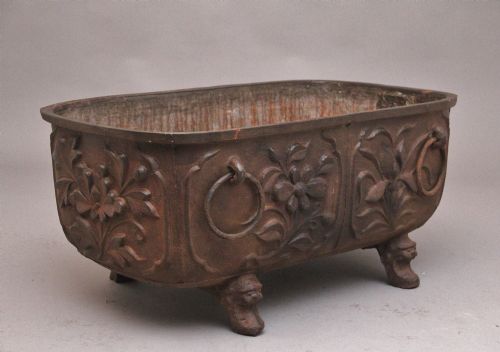
Surfaces display natural ageing processes, yielding verdigris patinas on copper, painted finishes on tôleware, and oxidisation on iron components.
Antique Metal Tub Retail Price Guide 2026
Typical asking prices for metal tub among the pieces listed under this phrase on Sellingantiques today, from the lower quarter to the upper quarter. They describe what is for sale here now, not the wider market.
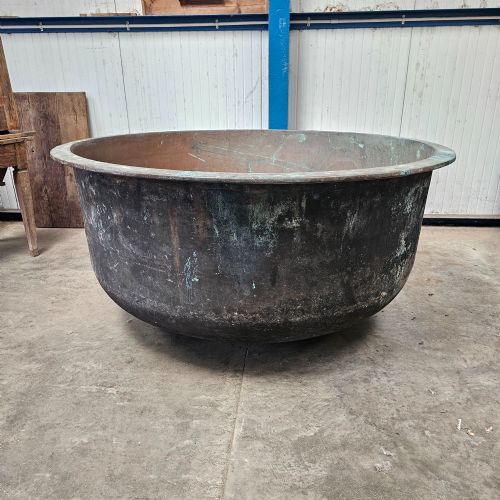
A nineteenth-century cheesemaking vat travels from a French dairy to double as an oversized plant pot.
What varies in quality
Distinction across the range lies in the integrity of construction, seen in heavy gauge metal sheets, secure riveting, and original handles or feet.
The depth and character of the natural surface patina contribute significantly to visual appeal, separating well-preserved domestic items from heavily compromised examples.
Proportion and form dictate desirability, with symmetrical proportions and crisp detailing on applied crests or cast elements marking out the superior specimens.
The Antique Metal Tub Glossary
- Verdigris
- A green patina that forms naturally on copper, brass, or bronze through atmospheric oxidation. This surface layer develops over decades of exposure to moisture and air.
- Riveted
- Joined together using metal bolts hammered flat at the ends. This technique secures heavy copper sheets and iron bands on large vessels.
- Toleware
- Japanned or painted sheet metal items produced for domestic use. The technique involves applying layered varnishes and pigments over metal bases.
- Jardiniere
- An ornamental pot or stand designed to hold growing plants or flowers. These vessels often feature decorative brass or copper bodies.
- Coopered
- Made by assembling curved wooden staves bound with metal hoops. This method applies to specific buckets and barrels found alongside metal containers.
- Cellarette
- A lockable container used for storing wine bottles near the dining table. They frequently incorporate lead linings or metal inserts.
Antique Metal Tub: Frequently Asked Questions
What were these metal tubs originally used for?
These vessels served demanding daily tasks in homes, farms, and industrial settings. Common uses included boiling laundry, heating water, storing coal, and measuring grain or cheese production.
Over time, many utilitarian objects transitioned into domestic decor and garden display roles as modern plumbing and central heating replaced them.
How do I clean an antique copper tub?
Cleaning depends entirely on whether you prefer a bright polished shine or the dark, stable verdigris patina accumulated over centuries. Mild soap and warm water remove surface dirt without disturbing the metal.
Avoid harsh chemical abrasives that strip away the historical surface character and accelerated ageing valued by collectors.
Can I use these metal tubs outdoors?
Copper, brass, and galvanised iron handle exterior conditions well, making them suitable for garden planting and patio displays. Galvanised steel and heavy copper resist rust and weathering effectively.
Ensure adequate drainage if planting directly inside them to prevent water retention and potential stress on historical seams during freezing temperatures.
How do I identify a nineteenth-century piece?
Nineteenth-century items typically display hand-beaten surfaces, irregular hand-driven copper rivets, and heavy wrought iron handles forged by hand. Material thickness and weight distinguish older utilitarian vessels from lighter twentieth-century reproductions.
Maker marks, regional variations in construction, and patination depth provide additional clues to age and origin.