






Antique Metal Storage Tin
An antique metal storage tin brings utility and character to a room, offering robust storage shaped by nineteenth and early twentieth-century hands.
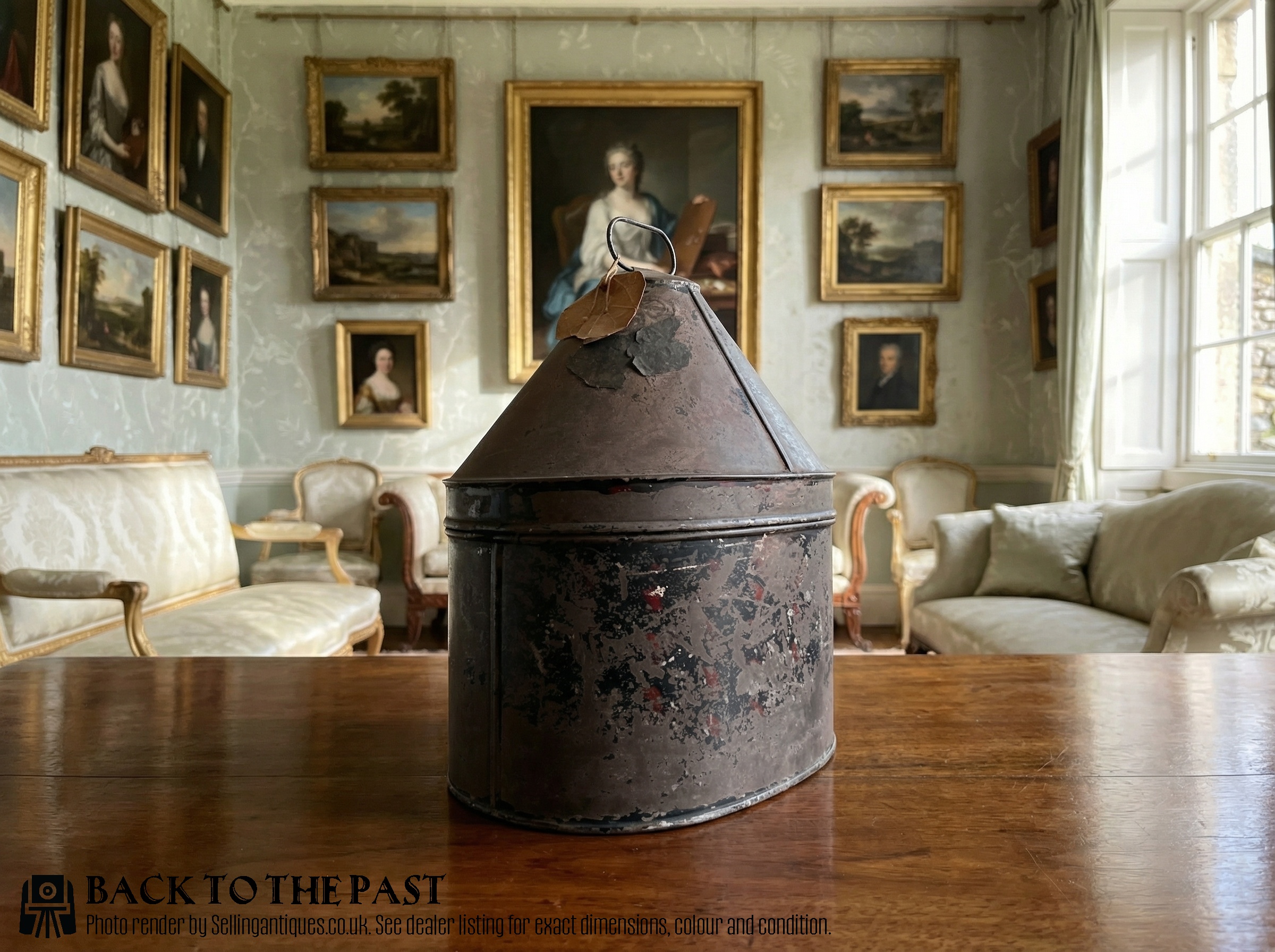
Antique Metal Storage Tin
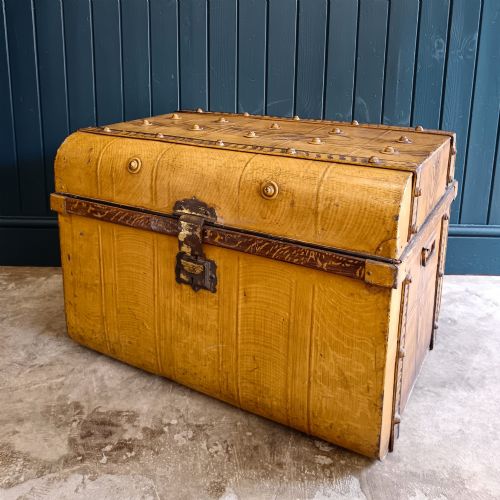
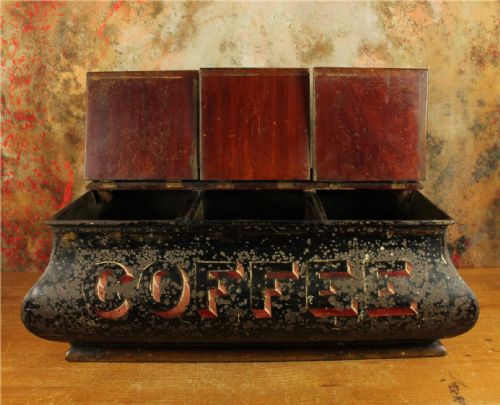
When you search for an antique metal storage tin, you encounter a diverse array of utilitarian vessels designed for domestic, commercial and military service. These pieces range from tea canisters and tobacco jars to large steamer trunks, document boxes and hat boxes.
The selections span the Victorian, Edwardian and early twentieth-century eras, reflecting the industrial and decorative needs of their times. You are most likely to meet painted toleware tea canisters, military hat boxes and sheet metal trunks across these listings.
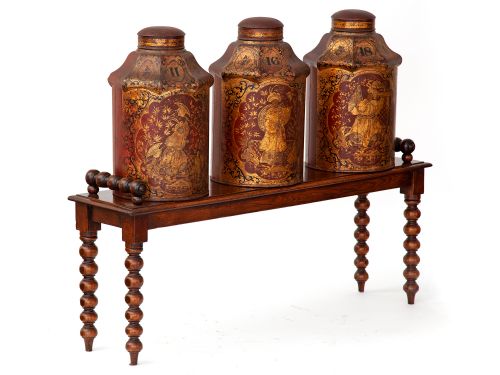
Originating from British, French and colonial workshops, each antique metal storage tin served a distinct daily function before finding favour as decorative home storage. Their forms vary from pagoda-style tea caddies to heavy-duty floor-standing bins and domed caskets.
How they were made
Construction relies heavily on tinplate, sheet metal and iron, shaped into rigid bodies with soldered or folded seams designed to withstand heavy use. Artisans worked metal into structured forms such as dome-top caskets, cylindrical canisters and flatback bins.
Decoration often involved applied paint, lacquer or japanning, frequently finished with hand-painted gilt details, Chinoiserie motifs or faux finishes like wood grain and tortoiseshell. Specialised workshops produced toleware by varnishing and baking metal wares to create a durable, glossy surface.
Antique Metal Storage Tin Retail Price Guide 2026
Typical asking prices for metal storage tin among the pieces listed under this phrase on Sellingantiques today, from the lower quarter to the upper quarter. They describe what is for sale here now, not the wider market.
Materials documented across the inventory include sheet metal, iron, brass, toleware and painted tinplate.
What varies in quality
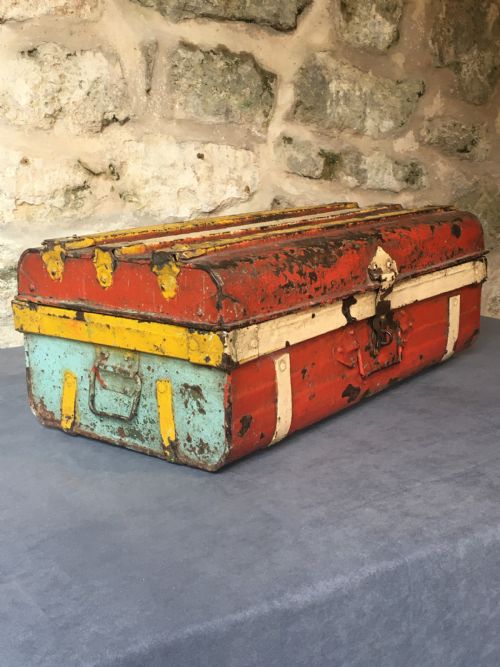
Quality rests primarily in the survival and execution of the original surface decoration, from delicate gilt Chinoiserie lines to folk art barge wear. Pieces retaining their authentic painted or lacquered skins command greater attention than those with later repainting.
Structural integrity and the retention of original hardware, such as brass latches, handles and functioning lids, distinguish standard utilitarian boxes from finer presentation pieces. The sophistication of the metalwork, particularly in novelty biscuit tins and military hat boxes, also dictates distinction within the range.
Huntley And Palmers·Peek Frean And Co·Hawkes And Co
The Antique Metal Storage Tin Glossary
- Toleware
- Painted or lacquered metalware, typically tinplate or iron, developed in Europe to mimic Asian lacquer and popular for domestic canisters and boxes. This technique created durable surfaces often adorned with gilt or floral motifs.
- Tinplate
- Sheet iron or steel coated with a thin layer of tin to prevent corrosion. It served as the primary material for lightweight boxes, biscuit tins and canisters.
- Japanning
- A European imitation of Japanese and Chinese lacquer finishes applied to metal or wood. It involved layering varnishes and heat-curing the surface to achieve a dark, glossy coating.
- Chinoiserie
- European artistic style reflecting Chinese motifs and decorative patterns, frequently seen in gold on black toleware tea canisters. This aesthetic dominated fashionable domestic interiors during the eighteenth and nineteenth centuries.
Antique Metal Storage Tin: Frequently Asked Questions
What were antique metal storage tins used for?
These metal containers served a multitude of practical purposes in homes, shops and military contexts. They stored dry goods like tea and coffee, kept documents secure, protected military hats and transported personal belongings.
Over time, utilitarian objects evolved into decorative pieces suited for modern interiors. Today, they provide functional storage for household items while retaining their historical character.
How do I care for a painted tin?
Painted and toleware surfaces require gentle handling to preserve fragile nineteenth-century finishes. Dust them softly with a dry cloth and keep them away from moisture and direct sunlight.
Avoid using chemical cleaners or abrasive pads, which can damage the original paint, gilt work or lacquer. Wax polishes are generally unnecessary and may harm delicate surfaces.
How can I tell the period of a metal box?
Dating relies on examining the materials, construction methods and decorative styles present on the piece. Victorian examples often feature hand-painted toleware or heavy brass hardware, while early twentieth-century pieces may display industrial finishes or lithographed biscuit brand designs.
Comparing the form, hinge types and fasteners to documented examples helps narrow down the decade of production. Faux finishes and regional styles also offer clues to the workshop origins.
Are novelty biscuit tins collectible?
Novelty biscuit tins shaped like books, satchels or carved boxes hold significant appeal for collectors. Manufacturers designed these containers to attract buyers by mimicking luxury items or everyday objects.
Their survival rate varies because many were discarded once empty, making well-preserved examples sought after. The reputation of firms like Huntley and Palmers adds historical context to these items.