





Antique Metal Plinth
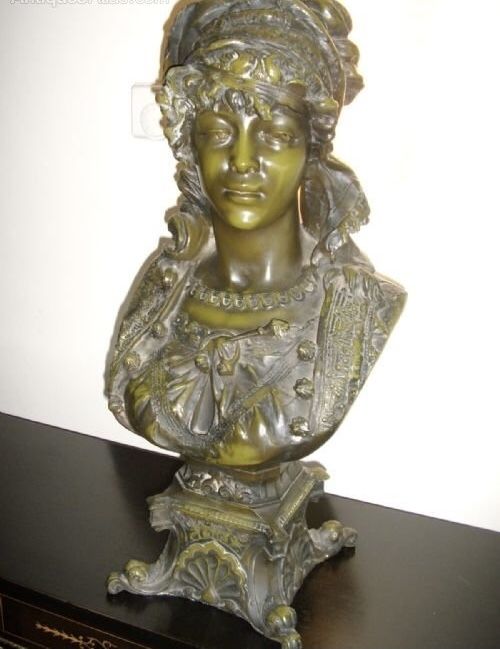
An antique metal plinth grounds a sculpture, urn or vessel, giving proper height and architectural weight to a collector's display.
Antique Metal Plinth
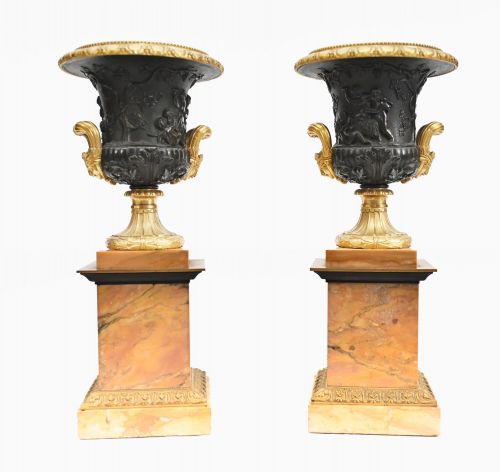
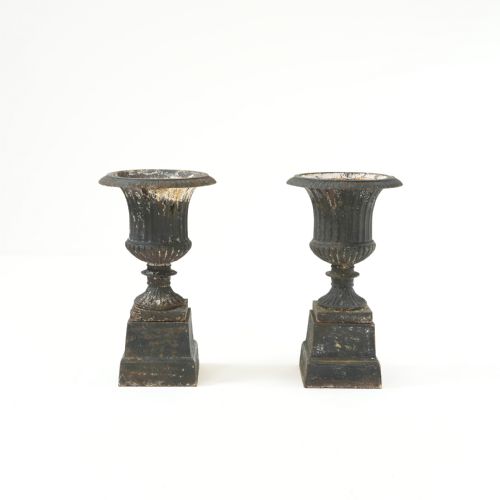
Buyers encounter heavy cast iron garden urns on matching stands, grand tour bronze reductions raised on stone bases, and spelter figures mounted directly onto onyx or marble blocks. The assortment balances classical Neoclassical and Gothic Revival forms with fluid Art Nouveau and geometric Art Deco designs.
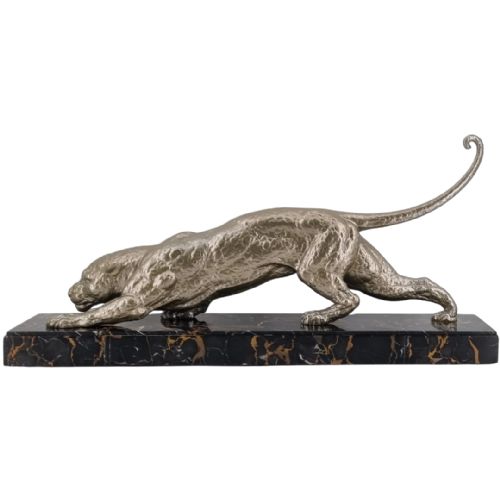
Originating largely from British and continental European workshops, these pieces function as both independent architectural hardware and structural bases for animalier bronzes, classical vases and commemorative models.
Materials and construction
Foundries utilised traditional lost-wax casting and sand casting methods to shape bronze, brass, cast iron and spelter into intricate figures, campana urns and architectural mounts. The resulting metalwork displays crisp chasing, hand-finished patination and detailed tooling.
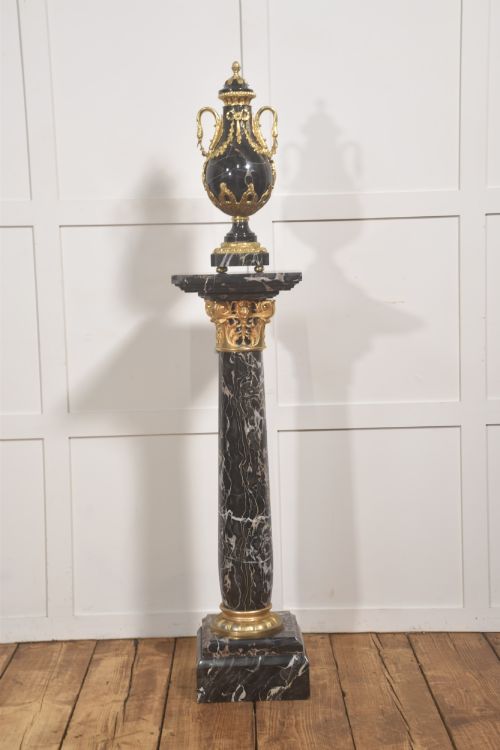
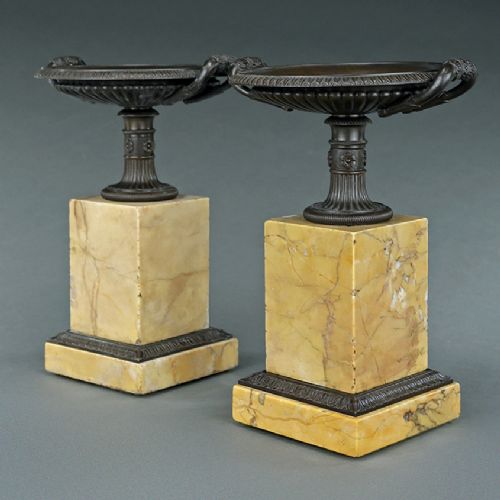
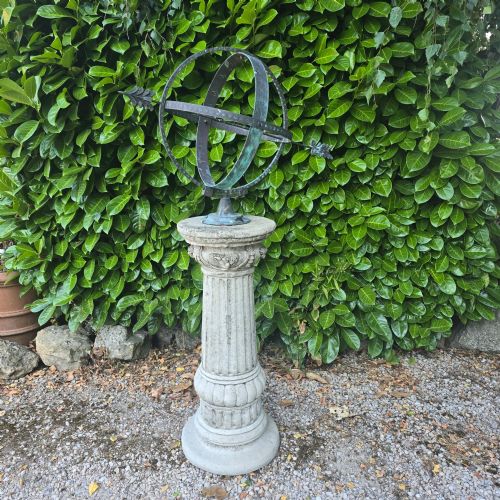
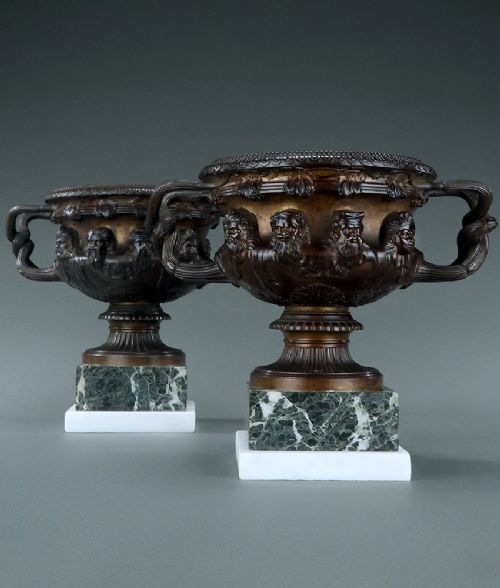
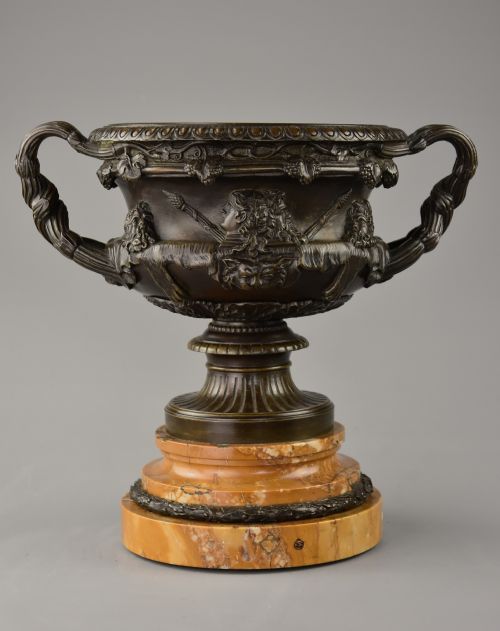
Makers paired heavy metals with contrasting natural materials, anchoring bronze and gilt bronze sculptures onto bases of white marble, Siena marble, malachite, olive wood and translucent onyx. Iron urns were cast with integral plinths or paired with matching stone pedestals for garden placement.
Antique Metal Plinth Retail Price Guide 2026
Typical asking prices for metal plinth among the pieces listed under this phrase on Sellingantiques today, from the lower quarter to the upper quarter. They describe what is for sale here now, not the wider market.
A duck model on an onyx plinth proves that even mallards appreciate proper architectural elevation.
Judging quality and execution
Quality rests in the precision of the metal casting and the depth of the subsequent chasing, where finer examples preserve hair-fine feathering, musculature and acanthus leaf detail without soft edges. The relationship between the upper metal object and its supporting stone or wood base determines the visual harmony of the entire piece.
Substantial weight, careful patination and stable junctions between metal and plinth distinguish superior studio foundry work from utilitarian production pieces. Original mounts and uncompromised surface patinas retain greater integrity than later marriages of mismatched components.
D. H. Chiparus·Andrew Handyside·Waring & Sons
The Antique Metal Plinth Glossary
- Spelter
- A zinc alloy frequently used as a cost-effective substitute for bronze in nineteenth-century French decorative figures. It accepts patination well but possesses a lighter weight and softer tensile strength than true bronze.
- Campana urn
- A bell-shaped garden or decorative vessel originating from classical antiquity. These forms appear frequently in cast iron and bronze atop stepped plinth bases.
- Grand Tour
- A nineteenth-century cultural phenomenon inspiring miniature bronze reductions of famous classical antiquities and architecture. Wealthy travellers collected these scaled models to display on bespoke plinths at home.
- Onyx
- A banded variety of chalcedony used extensively as a dense, polished base material for Art Deco and late nineteenth-century cabinet bronzes. Its cool touch and variegated grain provide a stable platform for metal sculptures.
- Tazza
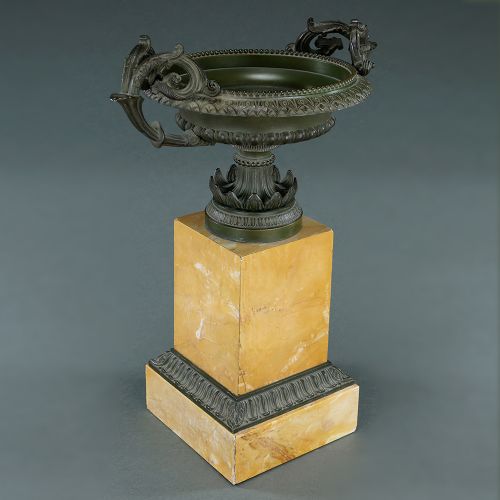
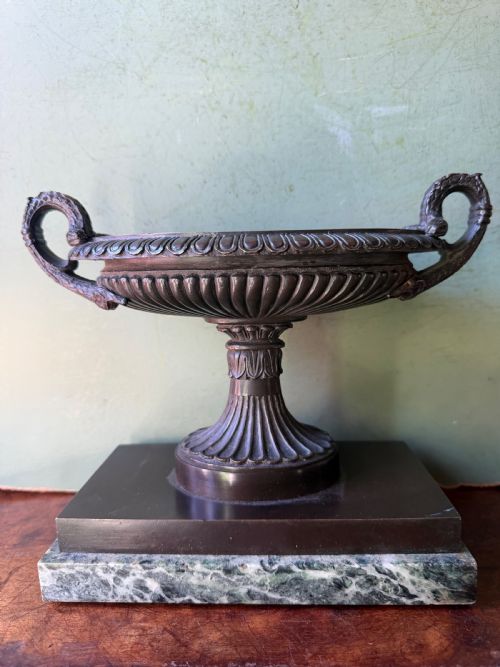
- A shallow saucer-like ornamental bowl raised on a stem and foot or mounted to a columnar plinth. These vessels were cast in bronze and marble for library and tabletop display.
Antique Metal Plinth: Frequently Asked Questions
What metals are used in these plinths and bases?
The listings feature cast bronze, gilt bronze, cast iron, brass, spelter and steel. These metals appear both as standalone architectural supports and as the primary medium for mounted sculptures and urns.
Many pieces combine metal components with contrasting natural materials such as marble, onyx, malachite and wood to create stable display stands.
How do I distinguish bronze from spelter?
Bronze offers greater weight, a resonant ring when tapped, and exceptional durability in fine sculptural detail. Spelter is softer, lighter and typically exhibits a more brittle fracture if damaged.
Examination of the underside or unpainted interior surfaces often reveals the characteristic grey or white composition of zinc alloy beneath the applied patina.
Were these metal plinths made for indoor or outdoor use?
Cast iron urns and heavy iron stands were designed specifically for garden terraces, lawns and architectural courtyards, weathering the elements naturally over time. Smaller bronze, brass and spelter pieces on marble or onyx plinths were strictly intended for interior drawing rooms, libraries and cabinets.
Placement should respect the original material tolerances to prevent moisture damage to sensitive stone bases.
How should I clean an antique metal plinth?
Dust gently with a dry, soft bristle brush or a clean microfiber cloth to preserve the historic patina and surface finish. Avoid modern chemical polishes, abrasive pads and liquid cleaners, which strip away valuable age-related coloration.
Wax can be applied sparingly to maintained iron or bronze surfaces if protection against atmospheric moisture is required.