


Antique Metal Planter Trough
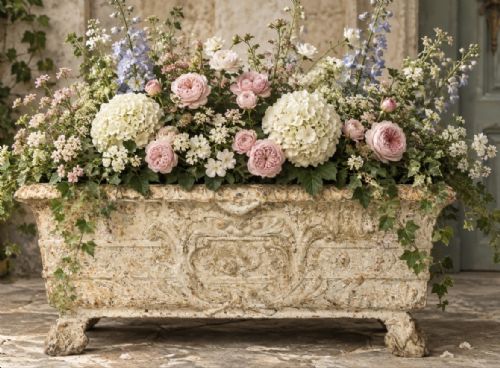
An antique metal planter trough brings structural weight and weathered character to a room or garden, shaped from copper, brass, cast iron, and lead.
Antique Metal Planter Trough
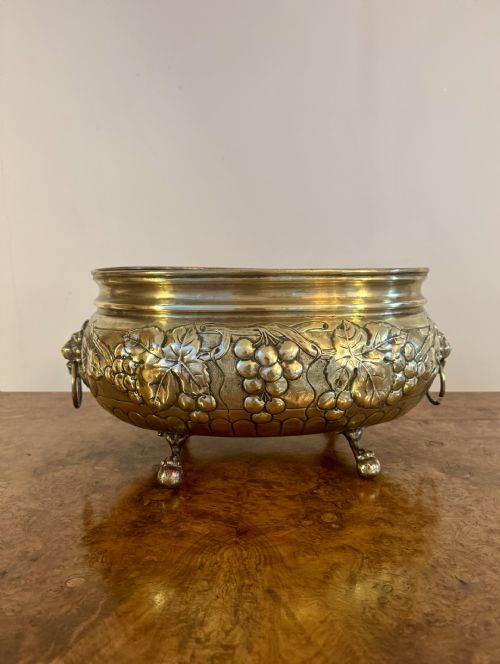
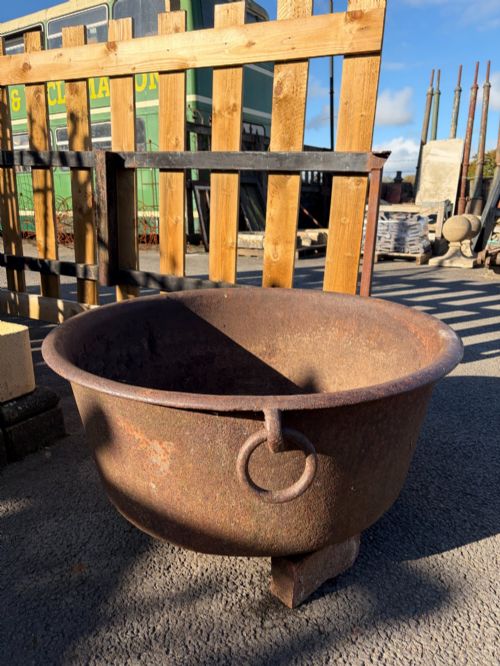
An antique metal planter trough is a utilitarian vessel repurposed for horticulture or interior display, originating primarily from the nineteenth century alongside select eighteenth-century examples. These pieces span robust garden troughs in cast iron and lead to refined indoor jardinières fashioned from hammered brass and copper.
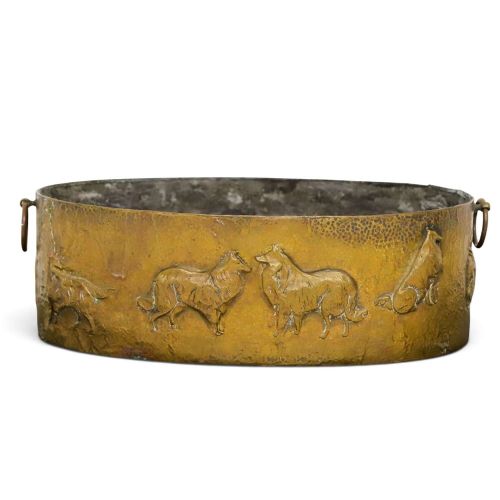
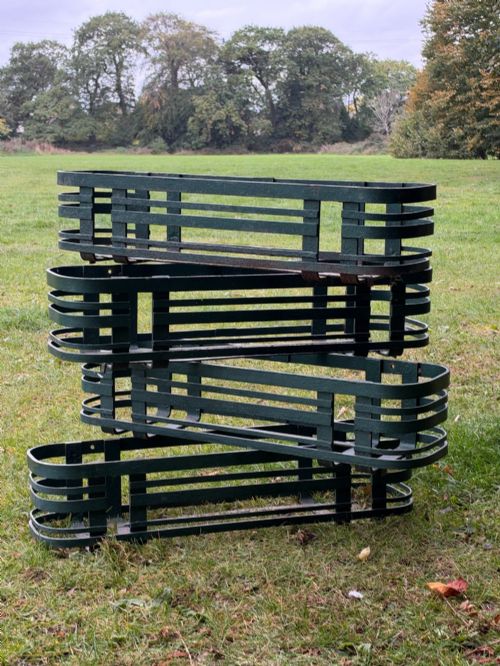
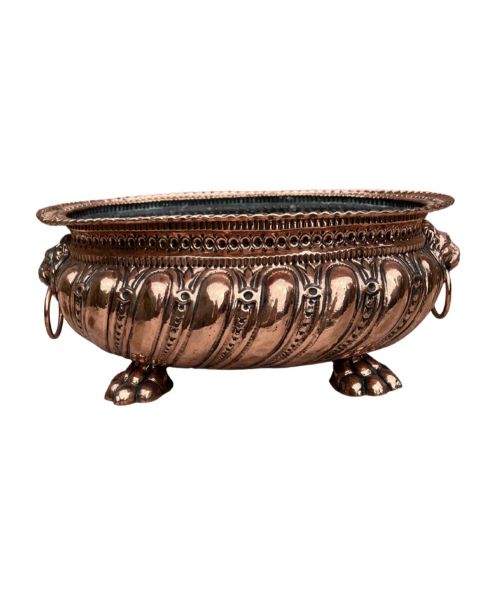
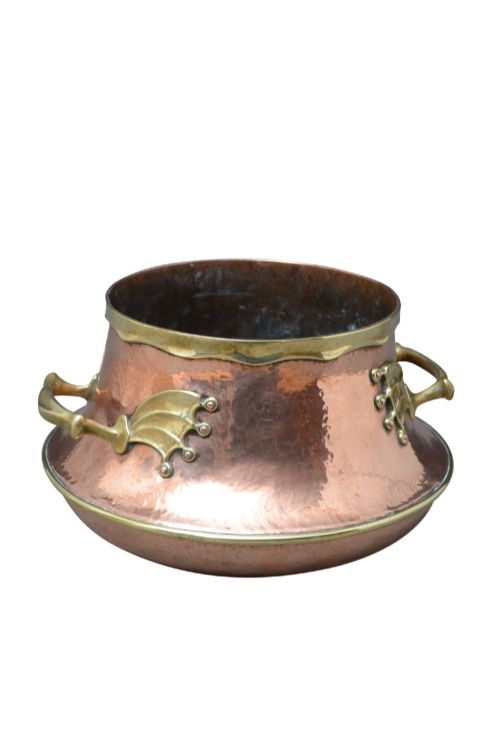
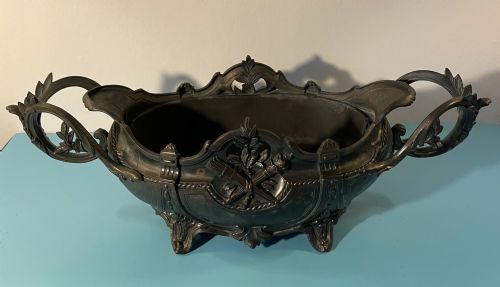
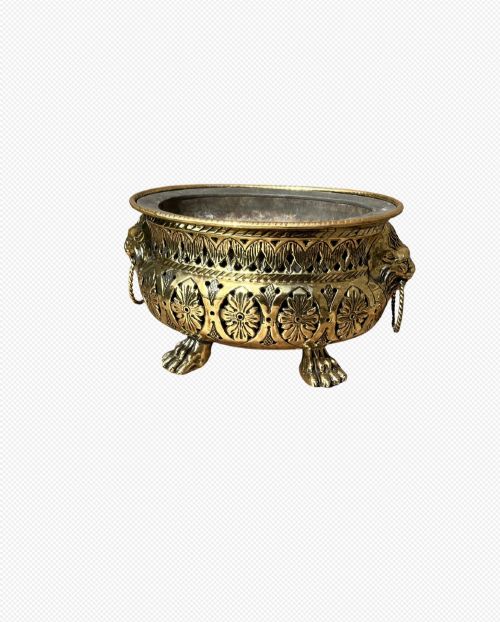
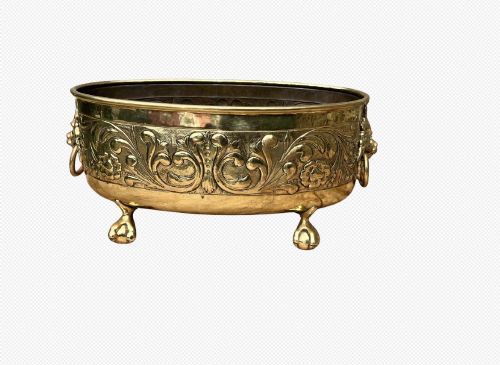
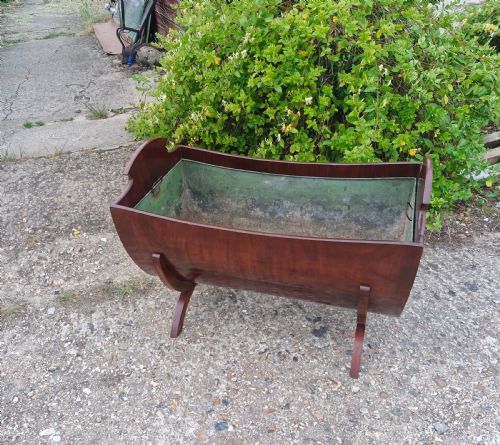
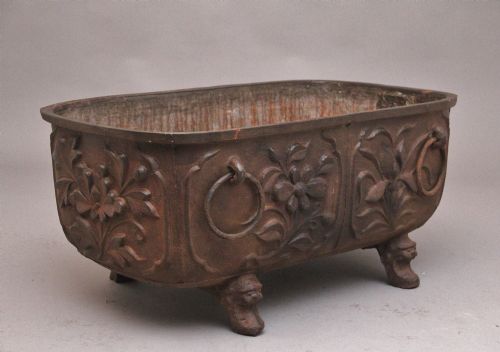
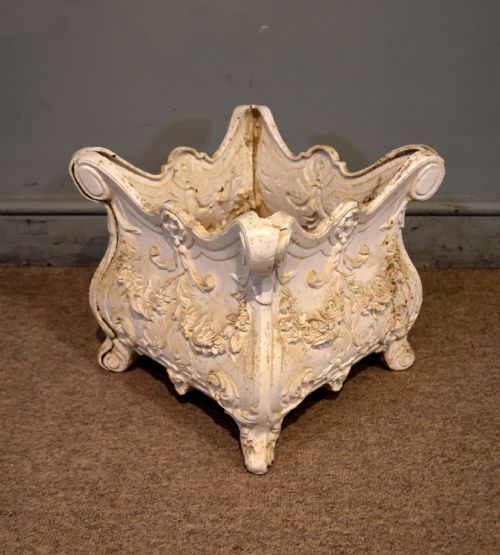
The selections available here range from heavy Victorian garden urns and galvanised shrub tubs to French country house copper vessels and Edwardian wirework stands. Buyers encounter long rectangular troughs alongside oval and boat-shaped bodies resting on paw feet, brackets, or direct cast bases.
How they were made
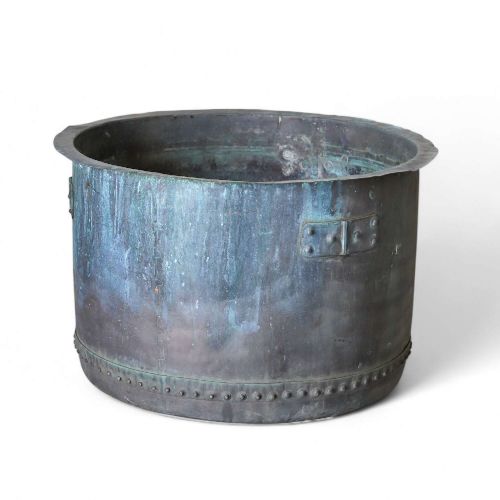
Makers utilised heavy casting for iron and lead garden pieces, pouring molten metal into sand moulds to create thick, durable walls with crisp exterior relief. Copper and brass vessels relied on hand-hammering and riveting sheets together, visible in the raised seams and joints along the body.
Surface treatments included hand-pierced gallery work, applied brass or ormolu mounts, and repoussé detailing hammered from the reverse to form animal heads and floral motifs. Liners in zinc or wood were often fitted internally to protect the primary metal structure from moisture.
Antique Metal Planter Trough Retail Price Guide 2026
Typical asking prices for metal planter trough among the pieces listed under this phrase on Sellingantiques today, from the lower quarter to the upper quarter. They describe what is for sale here now, not the wider market.
Listings feature eighteenth and nineteenth-century pieces alongside early twentieth-century examples, constructed primarily from copper, brass, cast iron, lead, and zinc.
What varies in quality
Quality rests in the weight of the metal and the integrity of its construction, distinguishing heavy-gauge hand-riveted copper or solid cast iron from thinner stamped sheet metal. Finer examples display crisp, deep casting detail and careful hand-chasing rather than soft, mass-produced surface patterns.
The depth and uniformity of the natural patina also dictate worth, as undisturbed oxidisation, verdigris, and age-earned wear reveal authentic age. Structural originality matters equally, favouring pieces that retain their original feet, liners, and handles without modern replacement parts.
Coalbrookdale
The Antique Metal Planter Trough Glossary
- Jardiniere
- An ornamental pot or trough designed to hold growing plants or floral arrangements, typically displayed indoors on tables or stands. These vessels appear frequently in brass, copper, and silver plate.
- Repousse
- A metalworking technique where the artisan hammers the design from the reverse side to create raised relief patterns on the front. This method decorates many nineteenth-century brass and copper planters.
- Patina
- The surface sheen and colour acquired by metal through age, handling, and exposure to the elements. Natural oxidisation creates the varied green, brown, and dark tones valued by collectors.
- Cast Iron
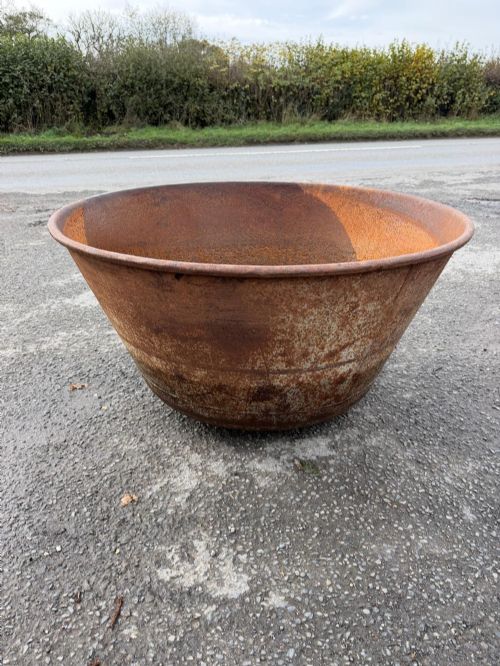
- Molten iron poured into a mould to form solid, heavy objects capable of withstanding exterior weathering. Nineteenth-century founders used this material for garden urns, troughs, and architectural planters.
- Galvanised Metal
- Iron or steel coated with a protective layer of zinc to prevent rusting. This treatment became common for utilitarian agricultural and garden tubs from the late nineteenth century onwards.
Antique Metal Planter Trough: Frequently Asked Questions
How do I clean an antique copper planter trough?
Wash the surface gently with warm water and mild soap to remove accumulated dirt, using a soft cloth to protect the underlying metal. Avoid abrasive scouring pads and metal polishes that strip away the historical patina.
Allow the metal to dry completely after cleaning. Leaving a natural finish maintains the aged character that collectors prefer over a bright, modern shine.
How do I date a cast iron garden trough?
Examine the casting quality, surface texture, and fastening methods to determine the period of manufacture. Nineteenth-century pieces often display hand-finished edges and heavier wall thicknesses than later reproductions.
Check for maker marks or registration numbers cast into the base or interior rim. Stylistic clues such as Victorian Gothic or Edwardian classical motifs also help narrow down the decade.
What is the difference between a jardiniere and a trough?
A jardiniere typically refers to an ornamental, decorative vessel shaped as a bowl or urn designed to showcase individual plants or floral arrangements. These are more commonly found in domestic reception rooms.
A trough describes a long, shallow rectangular container originally built for feeding animals or utility work before adoption into horticulture. Troughs provide greater planting length and heavier structural proportions than standard jardinieres.