



Antique Metal Pail
These antique metal pails bridge utility and display, offering robust vessels that transform hearths and dining rooms.
Antique Metal Pail
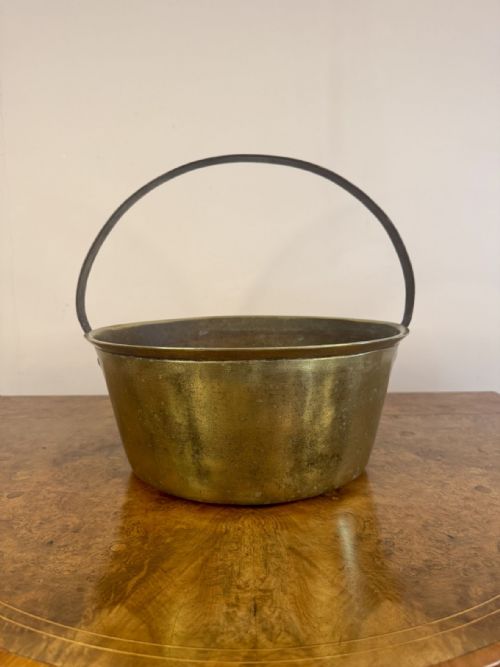
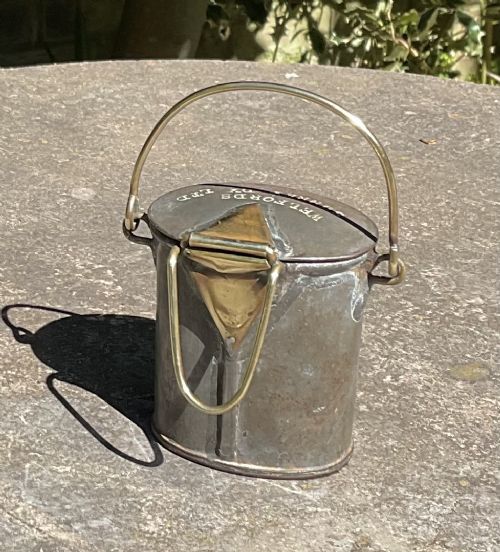
When you search for an antique metal pail, you find a diverse group of utilitarian vessels made for carrying coal, wine, cream, or water. The pieces on this page span the nineteenth century into the twentieth century, shifting from heavy hearth equipment to refined dining table coolers.
You are most likely to meet copper log buckets and brass jam pails alongside silver plated wine coolers and ice buckets. Styles range from plain rustic farmhouse items to decorative Victorian Rococo Revival and Arts and Crafts examples.
Origins include domestic dairy use, grand country house coal storage, and French hospitality service. Each object retains the marks of its original purpose, whether that is soot on a coal bucket or patination on a dairy cream can.
Materials and construction methods
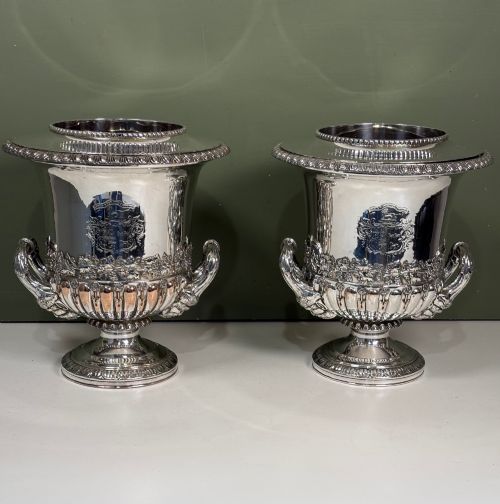
Copper and brass dominate the earlier domestic items, often shaped with hand-riveted joints and heavy iron swing handles. Silversmiths utilised old Sheffield plate and silver plating for wine coolers and champagne buckets, adding coats of arms and embossed decoration.
Wood and metal combinations appear in banded well buckets, uniting stave construction with forged iron straps. Later twentieth century pieces introduce enamel on steel and specialised hardware for Italian ice buckets.
Surface techniques range from heavy embossing and hand beating to smooth polished plating. Makers combined structural durability with decorative finishing, ensuring these vessels could withstand daily household service.
Antique Metal Pail Retail Price Guide 2026
Typical asking prices for metal pail among the pieces listed under this phrase on Sellingantiques today, from the lower quarter to the upper quarter. They describe what is for sale here now, not the wider market.
Dairy cans carried Surrey cream before finding a quiet retirement as umbrella stands.
Distinguishing quality in metal vessels
Metal weight and gauge set the foundation for quality, separating sturdy domestic workhorses from thin decorative items. Heavier brass and copper retain their structural integrity better through centuries of use and polishing.
The sophistication of surface ornament determines the tier of a piece, from simple riveted seams to elaborate embossed coats of arms and chased rococo revival details. Signed pieces by recognised designers command attention for their specific artistic vision.
Originality of handles, liners, and draining spoons preserves the integrity of a vessel. Altered components or heavy over-polishing that thins the underlying metal diminish the historical value of the piece.
Luc Lanel for Christofle·Macabo
The Antique Metal Pail Glossary
- Old Sheffield plate
- A composite material made by fusing a thin sheet of silver to a thicker copper base, common in eighteenth and early nineteenth century luxury items. The underlying copper often shows through wear at the edges and high points.
- Jam pail
- A large brass or copper vessel with a strong swing handle, traditionally used for boiling fruit and sugar over an open fire. These items feature heavy metal construction to distribute heat evenly and resist scorching.
- Coal scuttle
- A specialised metal bucket or hod designed for holding and transporting household coal to a fireplace. They frequently include fixed back handles and shaped lips for controlled pouring.
- Riveted construction
- A method of joining sheet metal by inserting metal pins through overlapping sections and hammering them flat. This technique provides structural strength before the widespread use of modern welding.
- Enamel pail
- A metal body coated with fused powdered glass, creating a smooth, hygienic surface resistant to corrosion. These pieces are typical of twentieth century dairy and household utility.
Antique Metal Pail: Frequently Asked Questions
How were copper log buckets used?
Copper log buckets sat beside domestic fireplaces to store and dry firewood before burning. Their sturdy metal construction protected surrounding floors from bark and ash.
Over time, regular handling and exposure to hearth heat developed a deep patination across the copper surface. Today, they serve a decorative role holding logs or blankets in living spaces.
What is a dairy cream can?
Dairy cream cans were transport vessels utilised on farms and estates to move milk and cream safely. They required robust handles and secure lids to prevent spilling during transit.
Surviving examples record the daily agricultural routines of the late nineteenth and early twentieth centuries. They bring a rustic industrial aesthetic to contemporary interior schemes.
How do I clean brass jam pails?
Brass jam pails benefit from gentle dusting and occasional cleaning with a mild, non-abrasive metal polish. Scrubbing away all historical tarnish removes the character accumulated over decades of use.
Maintaining a warm, natural shine preserves the visual depth of the metal without damaging the underlying surface texture.
Where were silver plated wine coolers used?
Silver plated wine coolers and champagne buckets appeared on formal dining tables and sideboards in grand houses. They held ice and water to chill wine during long dinner services.
Design details like coats of arms and embossed motifs reflected the status of the household. They continue to function as dramatic table centrepieces or flower vessels.