

Antique Metal Fixture
An antique metal fixture brings period illumination to a room, spanning grand French chandeliers to English copper lanterns.
Antique Metal Fixture
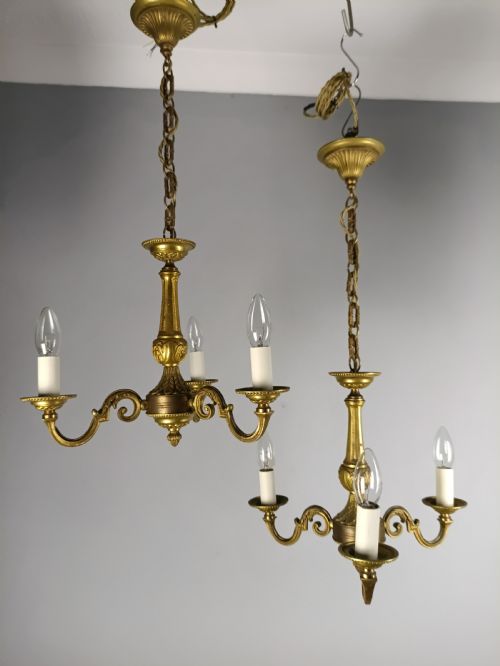
When you search for an antique metal fixture, you encounter lighting designed for ceilings and walls across the nineteenth and early twentieth centuries. Chandeliers, wall lights, and hanging lanterns dominate the selection, originating from English, French, and Italian workshops.
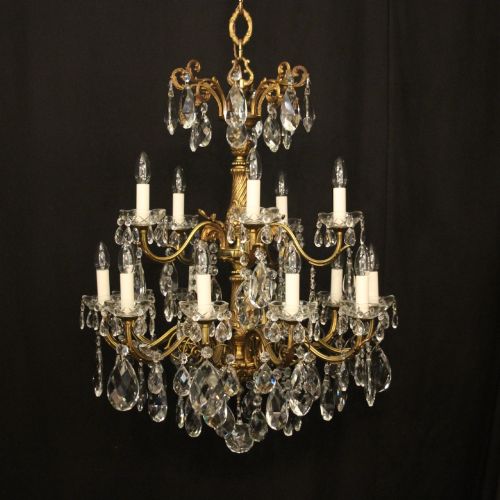
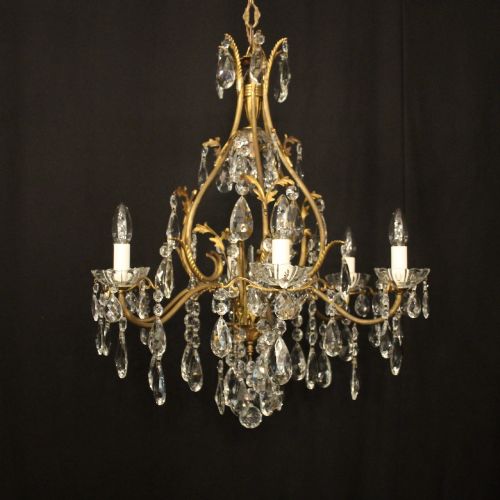
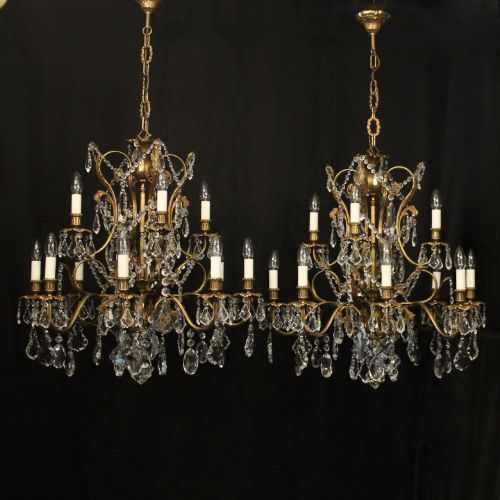
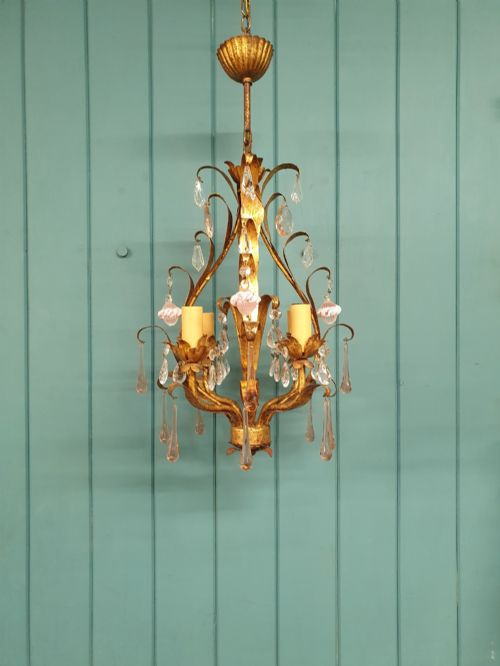
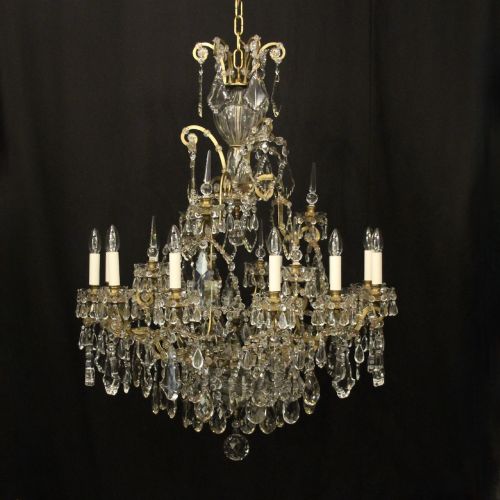
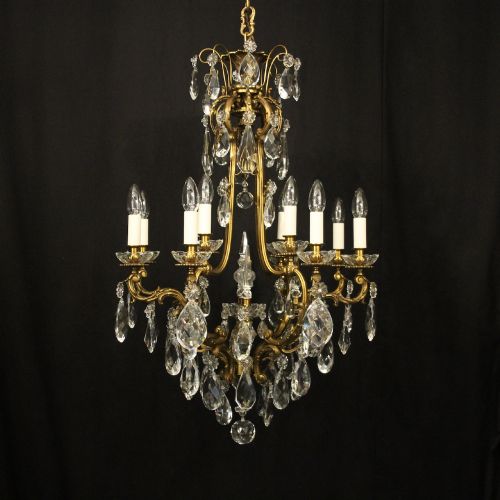
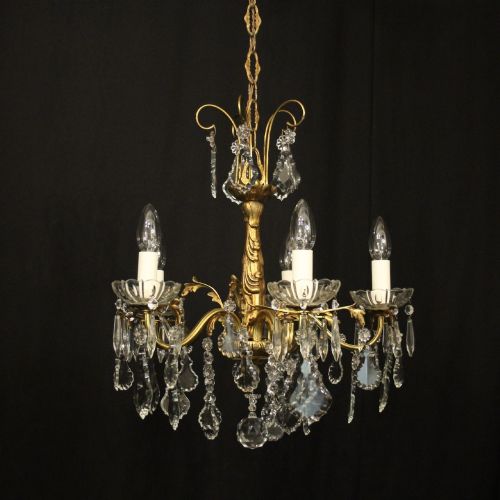
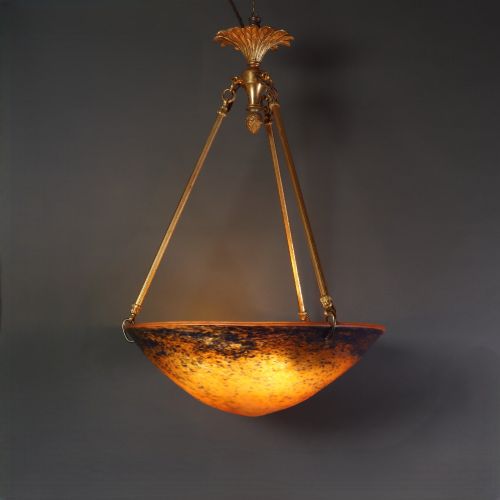
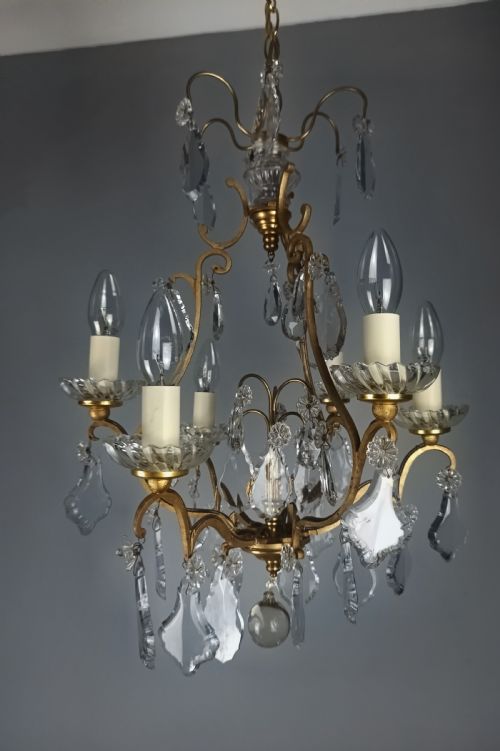
The most common pieces on this page are French chandeliers from the 1920s and 1930s, often formed as gilded birdcage or tent and waterfall structures adorned with crystal drops. Alongside these, you find brass and copper wall sconces and early twentieth-century ceiling lights.
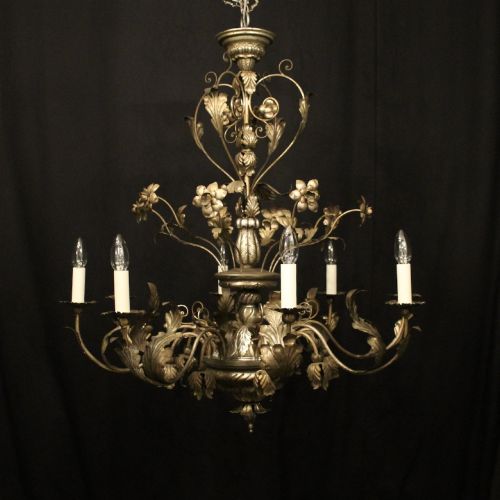
Makers and designers such as Charles Schneider appear through specific Art Deco glass plafonniers, while regional pieces include Italian Genoa chandeliers and North African lanterns. Styles stretch from Victorian and Edwardian to French Rococo Revival and Art Deco.
Materials and Techniques
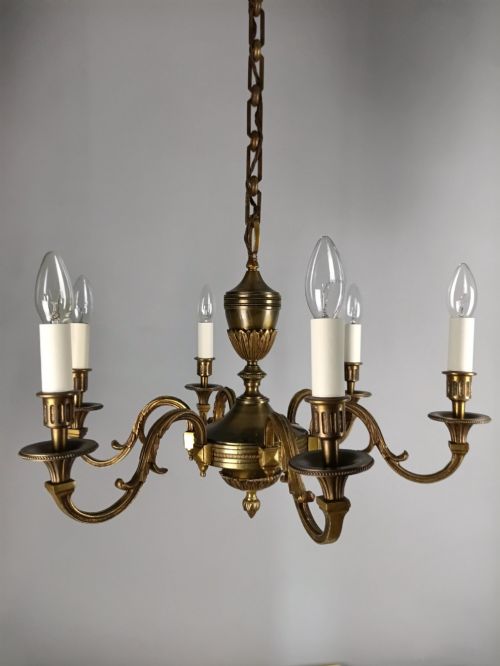
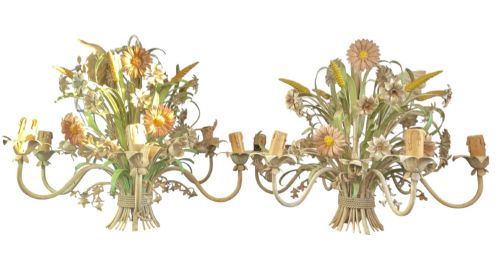
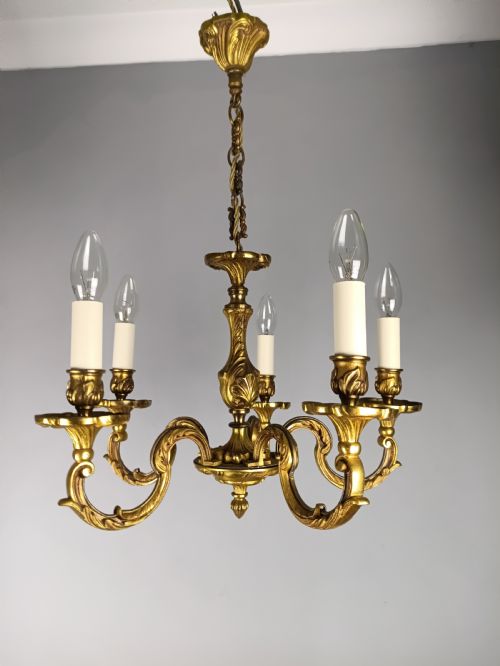
Makers utilised cast and chased bronze, brass, copper, and gilt metal as the structural backbone for these light fittings, combining them with forged iron on specific wall lights. Gilded finishes, silvering, and polychrome toleware add surface colour and reflect the prevailing tastes of the Victorian, Edwardian, and Art Deco periods.
Glass and crystal elements are integrated extensively, ranging from cut crystal spikes and prisms to amethyst glass, porcelain flowers, and moulded slip shades. Components are wired, pinned, or threaded together depending on whether the piece takes the form of a cage chandelier, a glass plafonnier, or a metal lantern.
Antique Metal Fixture Retail Price Guide 2026
Typical asking prices for metal fixture among the pieces listed under this phrase on Sellingantiques today, from the lower quarter to the upper quarter. They describe what is for sale here now, not the wider market.
Materials across these listings span brass, copper, gilt bronze, crystal, and polychrome toleware from the nineteenth century onwards.
Craft and Detail
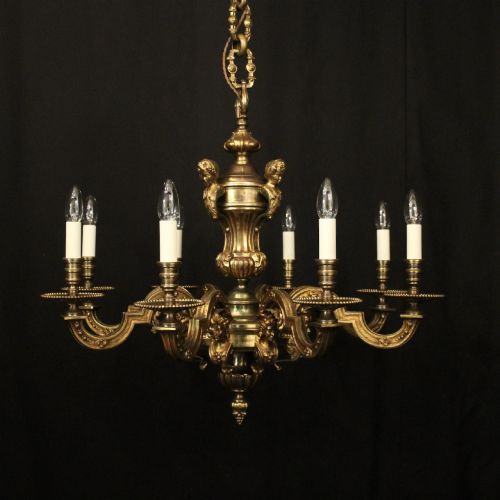
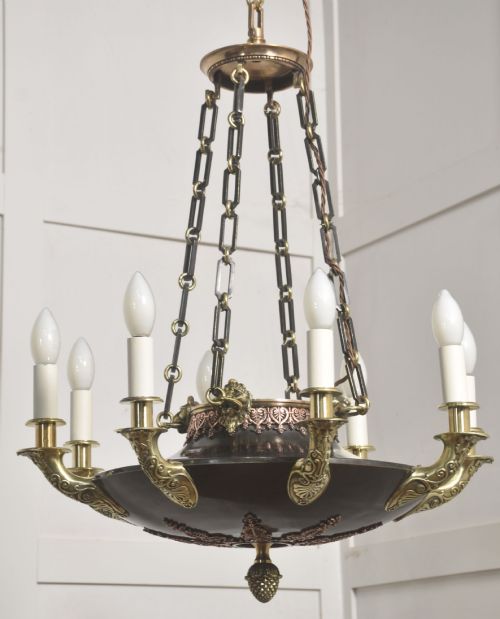
The distinction between tiers rests upon the crispness of the metal casting and the complexity of the hand-finishing, such as finely chased gilt bronze versus simpler pressed brass components. Superior examples display intricate detailing like ram's head masks or leafy crystal mounts that mark out accomplished foundry work.
The integration of glass also dictates standard, where hand-cut crystal prisms and signed Art Deco slip shades elevate a piece above standard moulded glass drops. Original surface treatments, including patinated bronze or genuine silver gilding, hold greater depth than later applied coatings.
Charles Schneider
The Antique Metal Fixture Glossary
- Plafonnier
- A ceiling light fitted close to the ceiling surface, frequently housing moulded art glass associated with the Art Deco period.
- Ormolu
- Gilded bronze, where finely ground gold is applied to a bronze base using mercury, producing a durable metallic lustre seen on French wall sconces.
- Toleware
- Painted tin or sheet metal shaped into floral or decorative components, often coloured polychrome on French chandeliers.
- Sconce
- A wall-mounted lighting fixture designed to hold bulbs or candles, frequently found in pairs matching larger ceiling lights.
Antique Metal Fixture: Frequently Asked Questions
How do I hang a heavy antique chandelier safely?
Heavy metal and crystal chandeliers require professional installation directly into ceiling joists or structural beams using an appropriate steel hook and electrical junction box.
Attempting to support antique weight from standard plaster or lightweight ceiling roses risks structural failure and damage to the fixture.
Can I convert these fixtures for modern wiring?
Most antique metal fixtures accept modern electrical rewiring while retaining their original sockets, brackets, and external metal framework.
A qualified electrician can update internal wiring to meet current safety standards without altering the visible historical appearance of the piece.
How do I clean crystal and gilt metal safely?
Dust crystal drops and metal surfaces gently with a soft dry cloth or feather duster to remove surface particles without disturbing delicate wiring.
Avoid abrasive chemical cleaners that strip historical gilding, patination, or lacquered finishes from brass, bronze, and gilt metal.
What rooms suit a cage or waterfall chandelier?
Cage and waterfall chandeliers provide concentrated downward illumination and vertical presence suited to high ceilings in reception rooms and dining spaces.
Smaller wall lights and flush-fitting plafonniers suit hallways, bedrooms, or areas with restricted vertical clearance.