

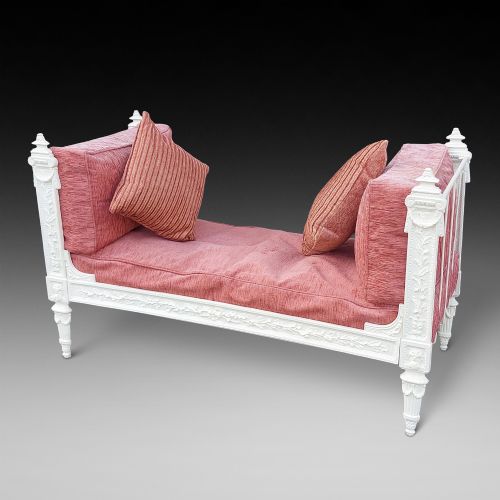


Antique Metal Daybed
An antique metal daybed offers robust iron or brass construction designed for versatile lounging and sleeping across Victorian and Edwardian interiors.
Antique Metal Daybed
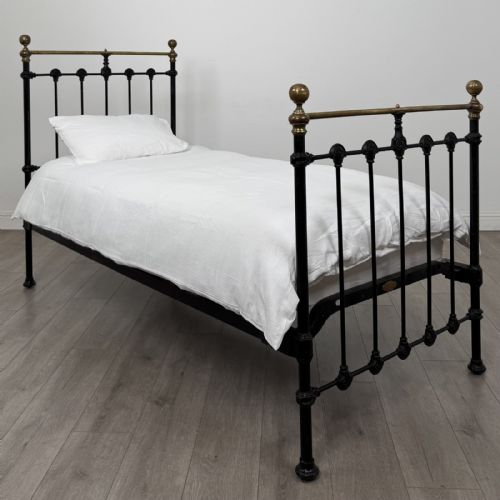
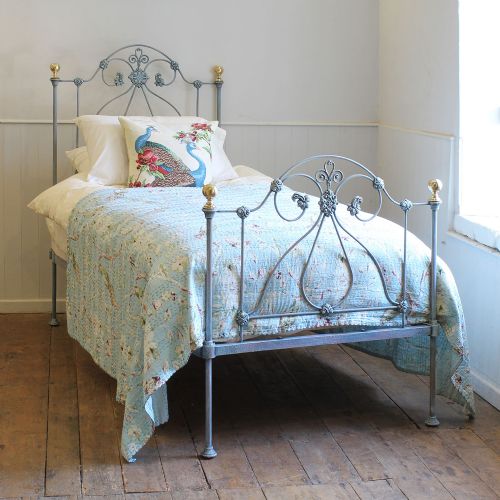
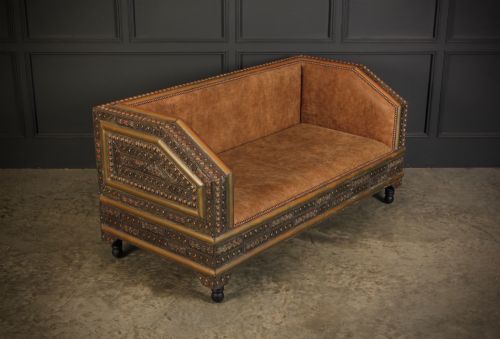
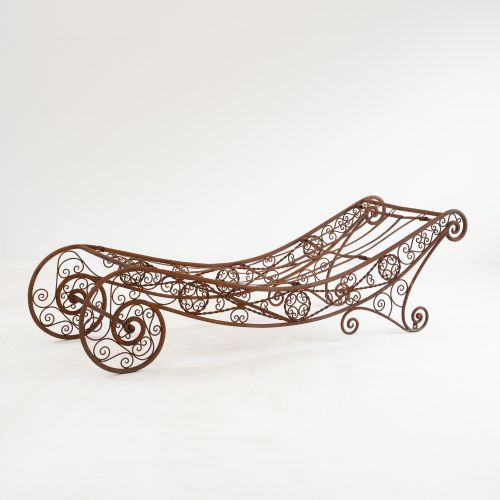
An antique metal daybed combines the utility of a single bed with the decorative frame of a settee, taking forms such as garden daybeds, sun loungers, and iron bedsteads. These pieces emerge predominantly from Victorian and Edwardian periods, alongside French country and Belle Epoque styles.
Buyers will most frequently encounter single beds, bedsteads, and daybeds constructed from cast iron, wrought iron, and brass. Origins span British workshops and French makers, offering structures suited for both indoor rooms and garden settings.
How they were made
The primary construction relies on cast iron, wrought iron, and brass, frequently finished with paint or blue verdigris patination. Frames incorporate tubular iron and cast components, sometimes featuring hoop details.
Makers utilised rigid metal platforms and joined structural elements with mechanical fasteners, occasionally pairing the iron framework with fabric mattresses for functional use.
Antique Metal Daybed Retail Price Guide 2026
Typical asking prices for metal daybed among the pieces listed under this phrase on Sellingantiques today, from the lower quarter to the upper quarter. They describe what is for sale here now, not the wider market.
Listings feature items from the 1850s to the 1920s, utilising brass, cast iron, wrought iron, and painted finishes.
What varies in quality
Quality rests upon the intricacy of the metalwork, distinguishing simple utilitarian frames from pieces featuring elaborate brass details and hoop work. The choice of materials, such as solid brass versus painted iron, dictates the visual presence of the frame.
Condition is defined by the preservation of the original painted surface or verdigris finish, as well as the structural integrity of the iron joints and brass fittings.
R W Winfield
The Antique Metal Daybed Glossary
- Daybed
- A dual-purpose piece of furniture functioning as a seat during the day and a bed at night. These items often feature low backs and sides.
- Verdigris
- A green patina formed naturally on copper, brass, or bronze surfaces through atmospheric weathering. It provides a distinct aged coloration.
- Bedstead
- The framework of a bed supporting the mattress and springs, distinct from the bedding itself. Metal variants utilise iron or brass.
- Wrought iron
- Iron that has been heated and worked with tools rather than cast in a mould. It yields a strong, malleable material seen in garden daybeds.
Antique Metal Daybed: Frequently Asked Questions
Where should I place an antique metal daybed?
These pieces suit both interior bedrooms and sheltered garden spaces, depending on whether the frame is designed for indoor lounging or outdoor use. Their slender profiles allow them to function effectively as seating in studies or guest rooms.
Garden variants withstand outdoor environments when finished in protective paint or verdigris, though most antique iron and brass frames perform best away from damp conditions.
How do I identify a Victorian metal bed?
Victorian examples typically feature heavy cast iron or combination brass and iron construction, often displaying specific period proportions and robust joinery. Dates range from the mid-nineteenth century through to the end of the Victorian era.
Details such as hoop work, brass finials, and specific iron casting techniques help distinguish these pieces from later Edwardian or twentieth-century reproductions.
What is the difference between a daybed and a bedstead?
A daybed is designed primarily for lounging with one or more raised sides acting as a backrest, whereas a bedstead forms the complete structural skeleton of a traditional bed. Daybeds bridge the gap between seating and sleeping.
Both forms utilise similar metal materials, including iron and brass, but serve distinct functional roles within historical room layouts.
Are these beds standard modern sizes?
Antique metal beds often follow nineteenth-century sizing conventions such as single, super single, or three-foot widths. These dimensions can differ slightly from contemporary mattress standards.
Buyers should verify the internal frame measurements carefully before sourcing a mattress to ensure a proper fit within the antique rails.