





Antique Metal Coffee Pot
An antique metal coffee pot brings tangible history to a table, combining utilitarian function with centuries of honest craftsmanship.
Antique Metal Coffee Pot
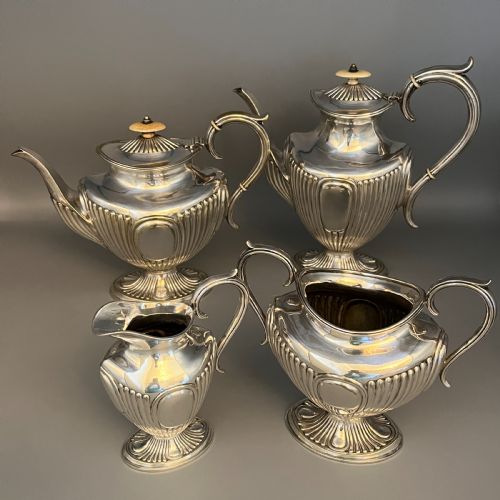
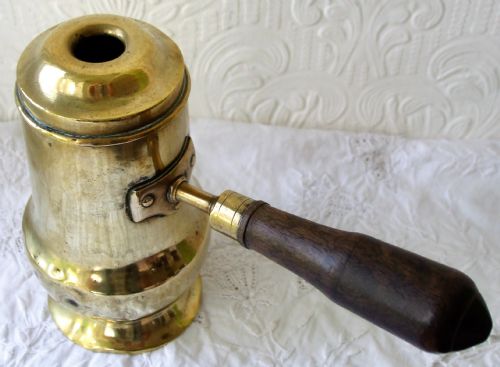
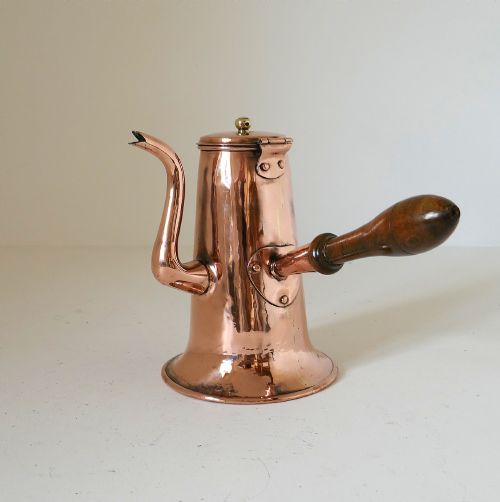
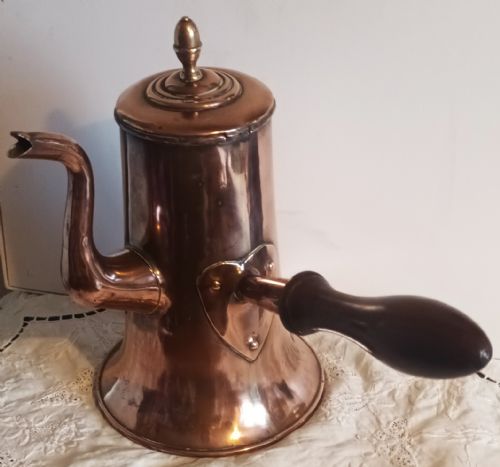
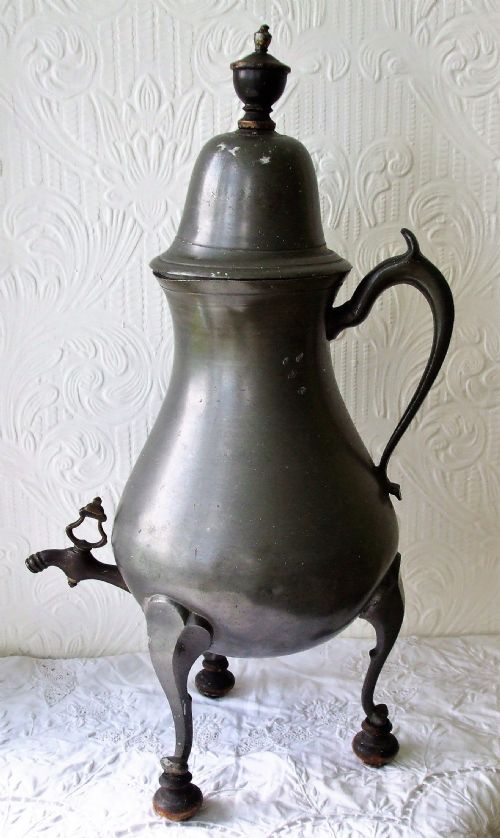
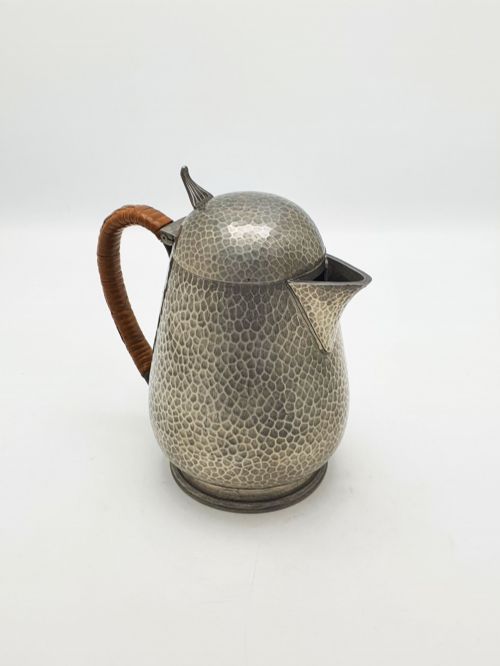
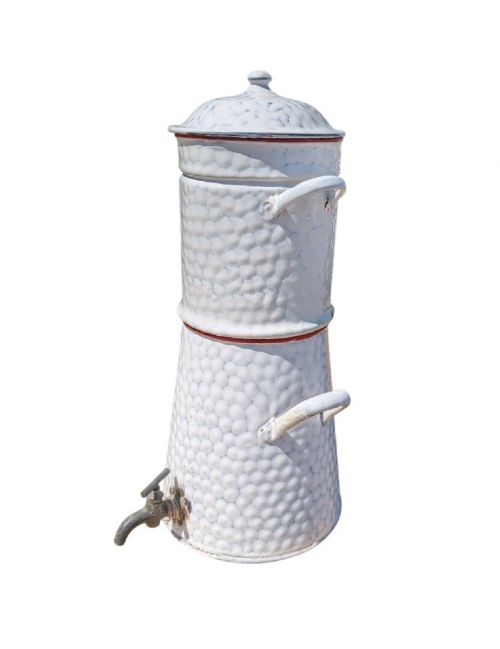
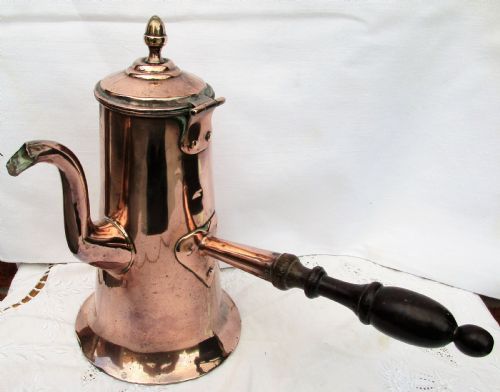
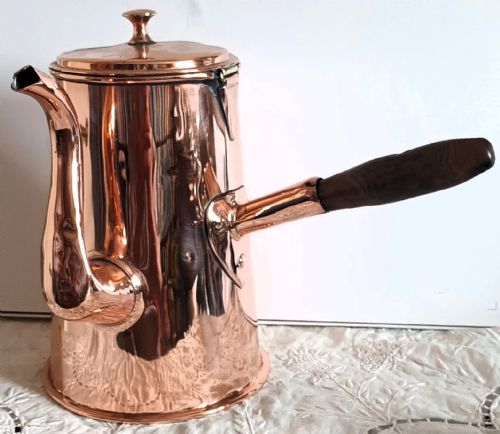
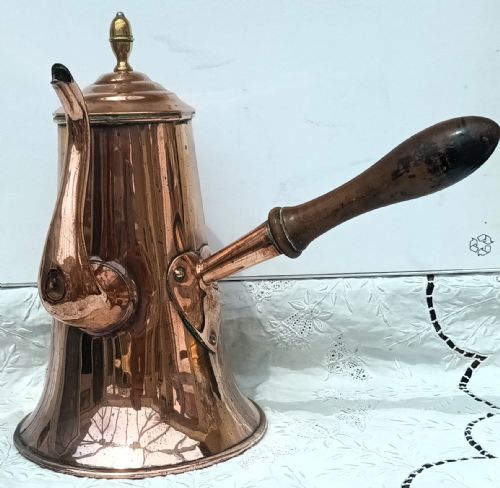
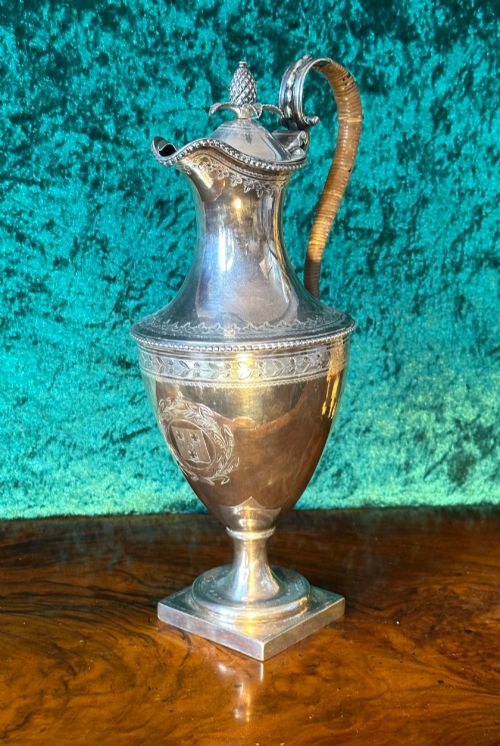
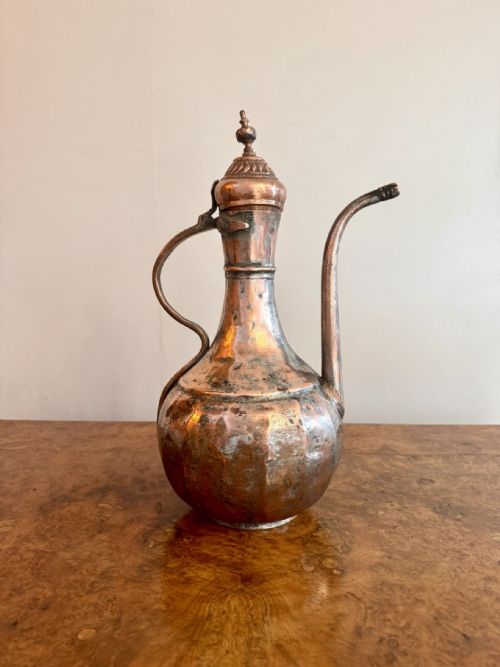
When you search for an antique metal coffee pot, you encounter an array of vessels spanning the eighteenth, nineteenth, and early twentieth centuries. These pieces encompass Georgian copper designs, tall brass chocolate pots, pewter coffee urns, and later silver-plated or enamel examples.
The selection ranges from side-handled English kitchenware to Middle Eastern copper pots and Arts and Crafts movement pieces. Most survivors hail from domestic dining settings or hospitality use, showing the marks of regular service over generations.
Materials and construction
Makers shaped these vessels primarily from sheet copper, brass, pewter, and silver plate, often utilising hand-beating, soldering, and casting techniques. Handles frequently incorporate insulating materials like turned fruitwood or cane to protect the user from heat.
Surface treatments vary from polished metal finishes to applied enamel and Old Sheffield plating. Construction details include dovetailed base seams, riveted spouts, and hinged lids characteristic of utilitarian metalware production.
Antique Metal Coffee Pot Retail Price Guide 2026
Typical asking prices for metal coffee pot among the pieces listed under this phrase on Sellingantiques today, from the lower quarter to the upper quarter. They describe what is for sale here now, not the wider market.
Turned fruitwood handles stayed cool while morning coffee brewed over an open hearth.
Factors of distinction
Quality rests in the integrity of the metal gauge, the crispness of the spout and handle attachments, and the survival of original surface patination. Heavier metal weight and clean proportional balance distinguish superior domestic items from ordinary utility ware.
The presence of maker marks, intact wooden insulators, and unaltered spouts elevate a piece. Lesser examples often show heavy modern polishing that thins the metal or replacement hardware that obscures the original period character.
William Soutter & Sons·Walker and Hall·Boardman Glossop & Co
The Antique Metal Coffee Pot Glossary
- Old Sheffield Plated
- A composite material made by fusing a thin sheet of silver to a thicker copper base. This technique was widely used before the invention of electroplating.
- Tudric Pewter
- A trade name used by Liberty & Co for a specific alloy of pewter during the Arts and Crafts period. It often supported decorative designs with stylised organic motifs.
- Chocolate Pot
- A vessel similar in shape to a coffee pot but traditionally featuring a removable finial or stick in the lid to mill and froth hot chocolate. These are frequently fashioned from brass or copper.
- Coffee Urn
- A large vessel fitted with a spigot at the base for dispensing brewed coffee during formal gatherings. They appear in Georgian and later nineteenth-century interiors.
- Toleware
- Metalware painted and lacquered to resemble Japanese or Chinese lacquerware. It frequently appears on nineteenth-century decorative urns and canisters.
Antique Metal Coffee Pot: Frequently Asked Questions
Can I still use an antique metal coffee pot?
While many pots structurally survive in sound condition, older pieces may contain lead solder or degraded internal linings. Most collectors choose to display them as decorative historical objects rather than for daily beverage preparation.
If you do intend to brew with one, inspect the interior thoroughly and ensure any modern food-safe lining is intact. Regular cleaning appropriate for copper, brass, or silver plate keeps the exterior stable.
How do I clean tarnished copper and brass?
Gentle washing with warm soapy water removes surface dust without harming historical patination. Avoid harsh abrasive compounds that strip the aged surface character.
Dedicated metal creams suitable for copper or brass restore brightness if desired. Many collectors prefer to leave a mellow, unpolished finish to preserve signs of age.
What is the difference between a coffee pot and a chocolate pot?
Chocolate pots often feature a small aperture in the lid designed for a stirring rod to mix the thicker beverage. Coffee pots generally have standard solid lids suited for strained liquid.
Both forms utilise similar metals and manufacturing techniques, meaning they served parallel functions in formal dining rooms.
How do I date an antique metal coffee pot?
Makers' marks, construction methods like hand-beating versus machine-rolling, and stylistic markers such as Georgian proportions or Arts and Crafts handles provide chronological clues. Side handles typically suggest eighteenth-century forms, while later Victorian and Edwardian examples often use rear loop handles.
Comparing pieces against documented examples in archival collections helps narrow down the decade of production.