



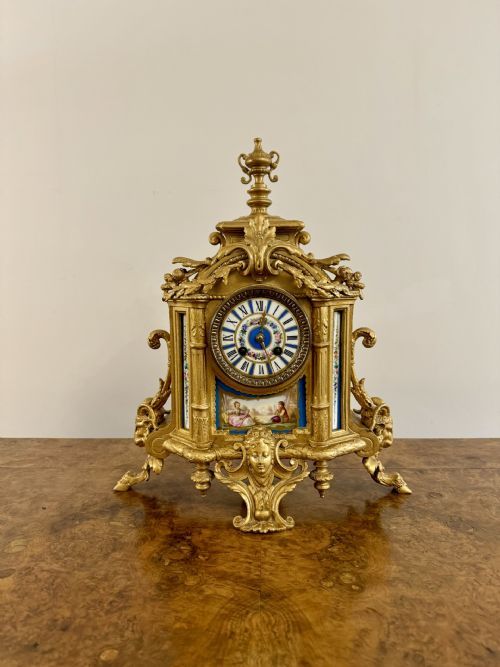

Antique Metal Clock
An antique metal clock brings tangible weight and period character to a room, ranging from ornate French ormolu to industrial wall dials.
Antique Metal Clock
When someone searches for an antique metal clock, they encounter an array of domestic timepieces spanning mantel clocks, wall clocks, and garniture sets. These objects combine timekeeping mechanics with sculptural metalwork, housing dials behind glass and atop marble or wooden bases.
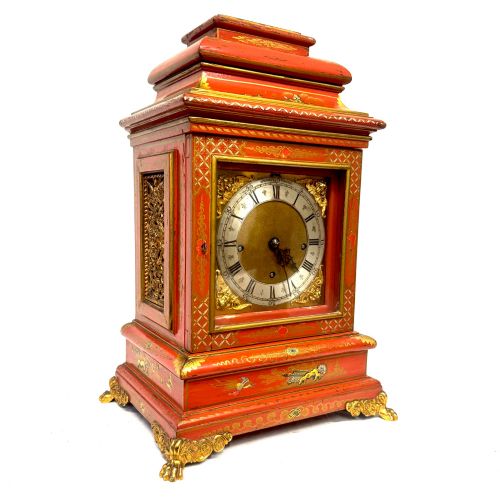
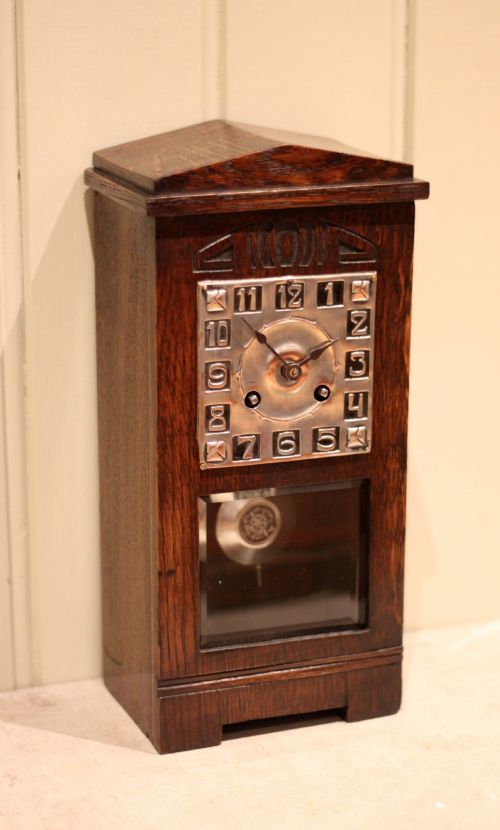
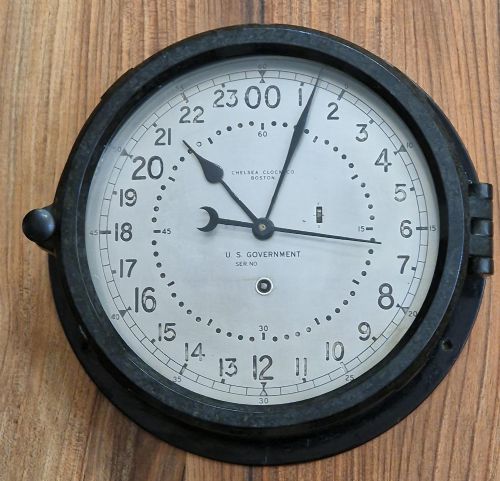
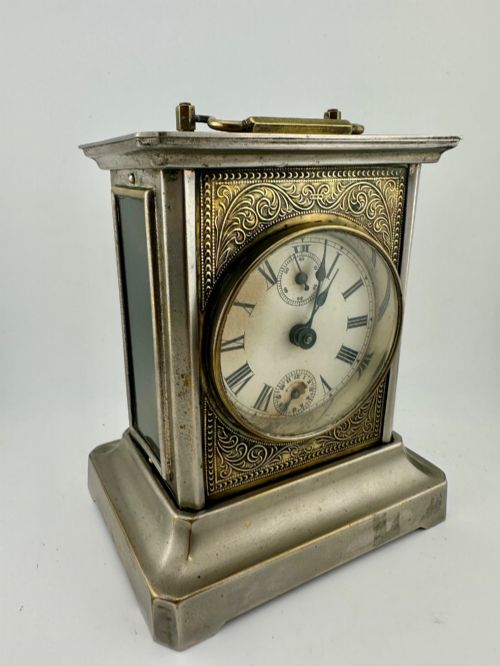
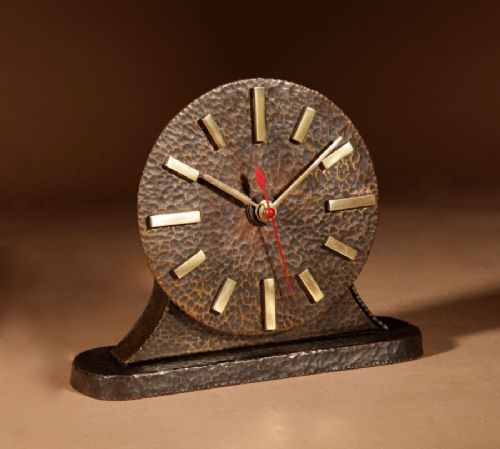
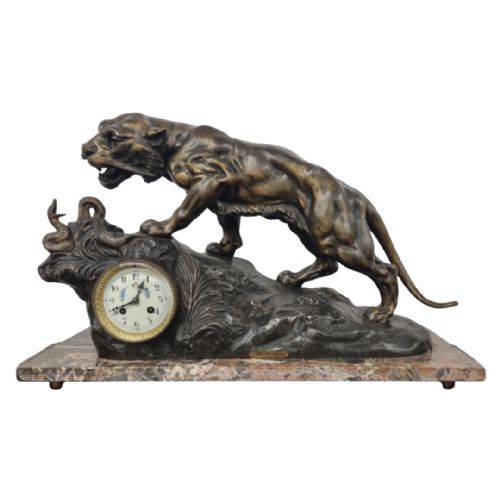
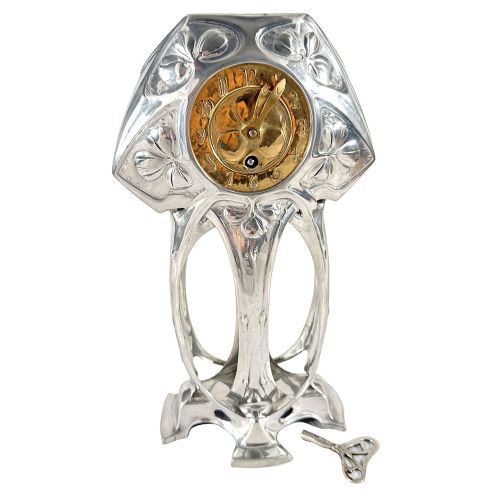
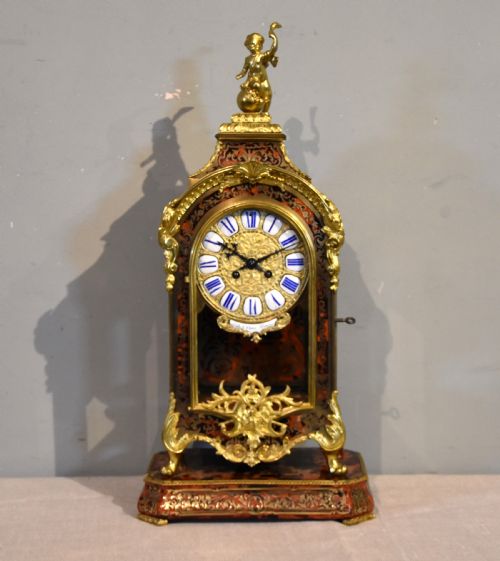
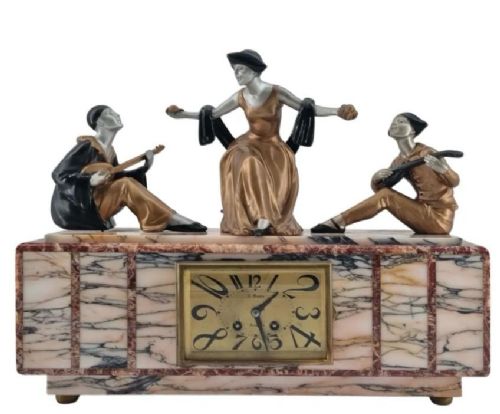
The most common examples on this page are French mantel clocks from the nineteenth century, cast in gilt bronze, ormolu, or gilded metal and often paired with painted porcelain panels. Buyers also meet industrial wall clocks, heavy brass electrical clocks from the Amsterdam School, and detailed Art Deco figural pieces.
Beyond domestic mantels, the selection includes oversized station clocks, pocket watch trade signs, and tower clock faces that served public spaces. These heavier forms reflect the shift toward dependable timekeeping in commerce and transit during the late nineteenth and early twentieth centuries.
Materials and construction
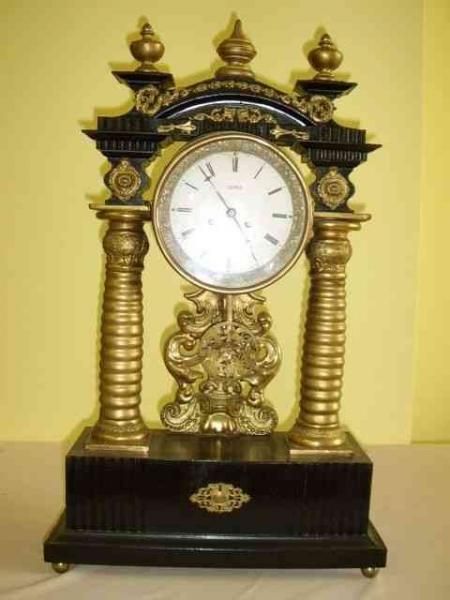
The fabrication of these timepieces relies heavily on cast and chased bronze, brass, or gilt metal, which artisans shaped into elaborate Rococo scrolls, Empire porticos, or clean Art Deco geometries. Ormolu, or gilded bronze, provides a rich golden surface finish that endures when cared for properly.
Many nineteenth-century examples incorporate hand-painted porcelain panels and enamel dials, sometimes paired with mother-of-pearl inlay or glass housing. Movements were driven by brass gear trains, ranging from eight-day spring mechanisms to fusee movements and early electrical systems.
Antique Metal Clock Retail Price Guide 2026
Typical asking prices for metal clock among the pieces listed under this phrase on Sellingantiques today, from the lower quarter to the upper quarter. They describe what is for sale here now, not the wider market.
Listings span periods from the eighteenth-century Empire era through Victorian revival styles up to mid-century industrial wall clocks.
Evaluating craftsmanship and distinction
Quality in these timepieces rests upon the crispness of the metal casting and the depth of the gilding or patination. Finer specimens display deeply chased bronze work with sharp architectural or figurative details rather than soft, shallow moulding.
The integration of materials also defines the tier of a piece, such as heavy hand-painted porcelain components securely mounted to cast frames, or signed movements by known clockmakers housed in solid marble, ebonised wood, or cast metal housings.
R Varnier·F.Milliot·Friedrich Adler for Osiris·Japy Frères·Leon Message·Jollet et Cie·Smiths Clockmakers·John Barwise·PH Mourey·Brunfaut
The Antique Metal Clock Glossary
- Ormolu
- A technique of applying finely ground high-carat gold to a bronze object using a mercury amalgam. This creates a durable, warm metallic lustre characteristic of French decorative arts.
- Garniture
- A set of matching decorative ornaments, typically comprising a central clock flanked by matching vases or candelabra. They were designed to sit harmoniously on a mantelpiece.
- Fusee
- A conical pulley used in spring-driven clocks to maintain even tension on the gear train as the mainspring unwinds. This mechanism improves the timekeeping accuracy of the clock.
- Portico clock
- A mantel clock architectural in form, featuring a lintel supported by four columns reminiscent of a classical portico. The pendulum often swings visibly within the central space.
- Champlevé
- An enamelling technique where troughs or cells are hollowed out of a metal surface and filled with vitreous enamel powder before firing. It creates decorative coloured patterns flush with the metal.
Antique Metal Clock: Frequently Asked Questions
How do I wind a vintage mantel clock?
Winding requires a matching key inserted into the designated arbors on the dial face, turning gently until resistance is felt. Most traditional movements run for eight days per wind.
Care should be taken not to overwind the mainspring, as this can damage the internal gear train. Modern placement on a level surface also helps the pendulum beat evenly.
Were these clocks used in offices?
Many of the larger wall dials and station pieces originated in factories, railway stations, and hospitals. Their robust metal casings and clear enamel faces were built for public visibility.
Smaller desk compendiums and bracket clocks served private studies and drawing rooms. Domestic models prioritized decorative bronze and porcelain over utilitarian simplicity.
How do I distinguish French Rococo from Empire style?
French Rococo pieces display asymmetrical scrolls, naturalistic floral motifs, and flowing organic lines derived from shells and plants. Ormolu surfaces gleam with curving, playful energy.
Empire style adopts strict symmetry, drawing inspiration from classical Greek and Roman architecture. Expect columns, porticos, and formal military or mythological motifs.
Can these clocks be repaired today?
Professional horologists can service and repair most nineteenth-century mechanical movements. Standard maintenance involves cleaning old oil from the brass gear trains and adjusting the escapement.
Original components like glass dials and cast bronze bezels can often be sourced or restored by specialists. Keeping the movement clean ensures reliable timekeeping.