






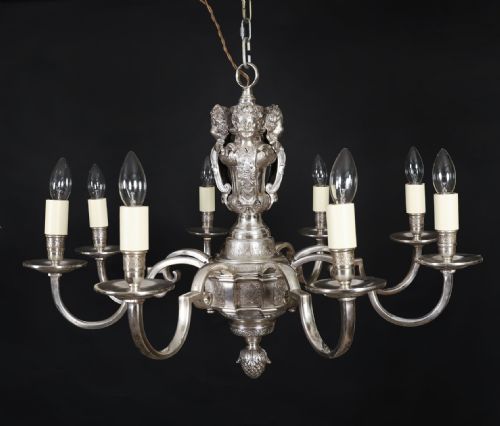


Antique Metal Cherub
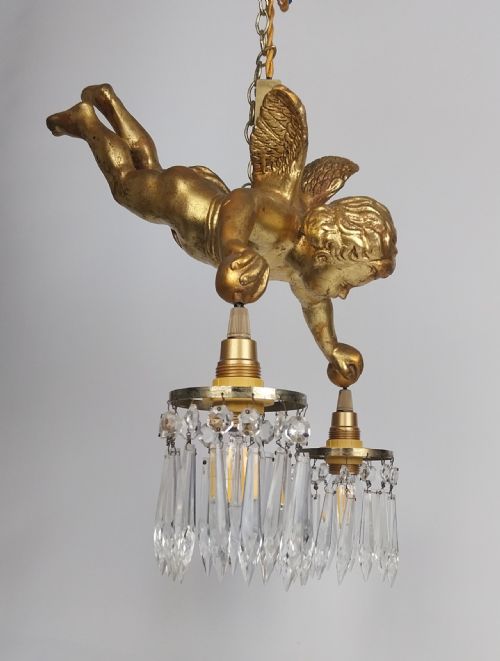
An antique metal cherub brings the theatrical charm of Rococo Revival and Neoclassical interiors straight to your mantelpiece or wall lights.
Antique Metal Cherub
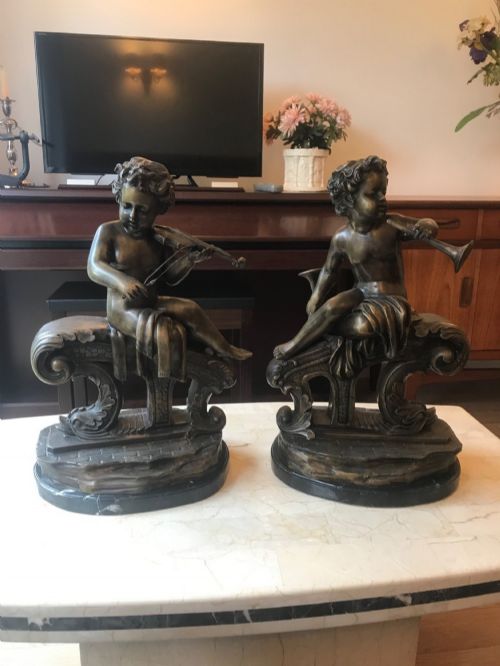
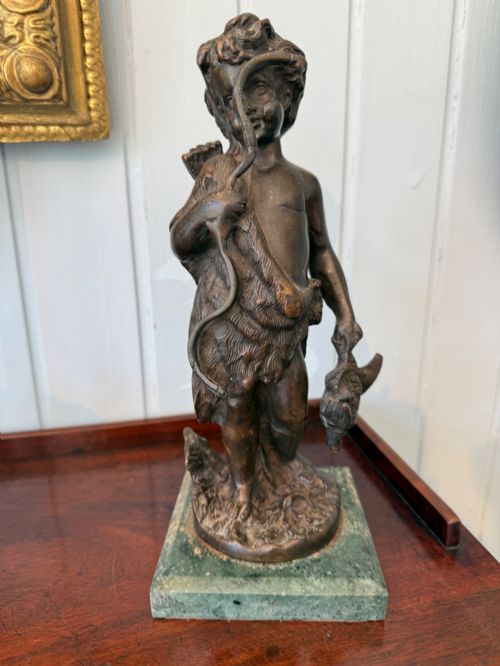
When searching for an antique metal cherub, you are looking at figural castings that take the form of winged putti, cupids, or classical child musicians integrated into domestic objects. These pieces span from the eighteenth century through to the early twentieth century, with a heavy concentration in nineteenth-century French and English decorative arts.
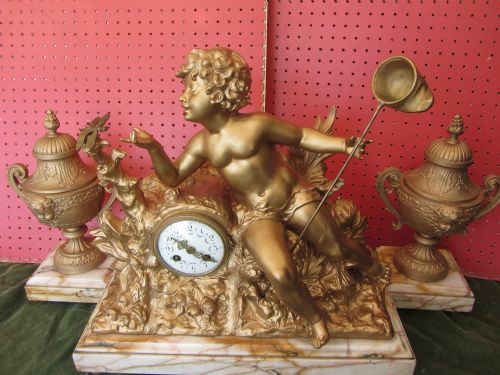
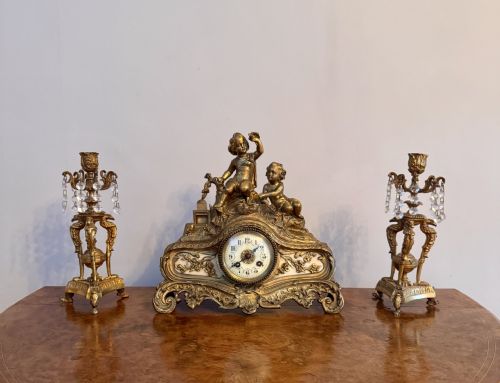
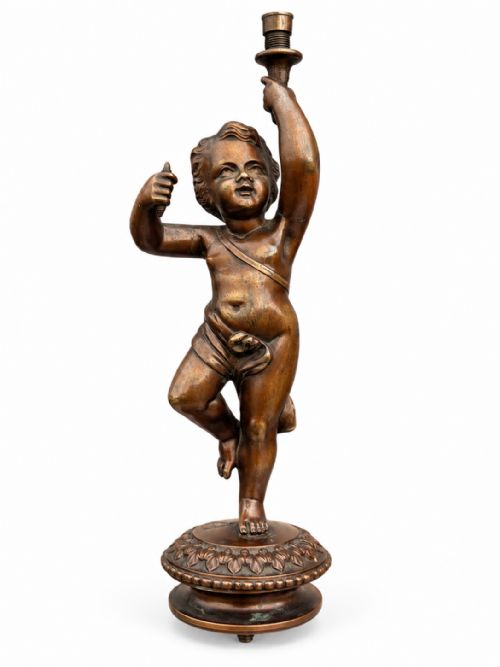
The versions most commonly met on this page appear as mounts on mantel clocks, figures supporting table lamps and wall sconces, or standalone sculptures cast in bronze and gilt metal. They frequently emerge within French Rococo Revival and Italian Grand Tour contexts, often paired with marble bases, cut glass crystals, or porcelain elements.
Methods of manufacture
Foundries produced these figural works primarily through traditional casting methods, utilising bronze, brass, spelter, and cast iron. Molten metal poured into moulds captured intricate details like feathered wings, curly hair, and musical instruments.
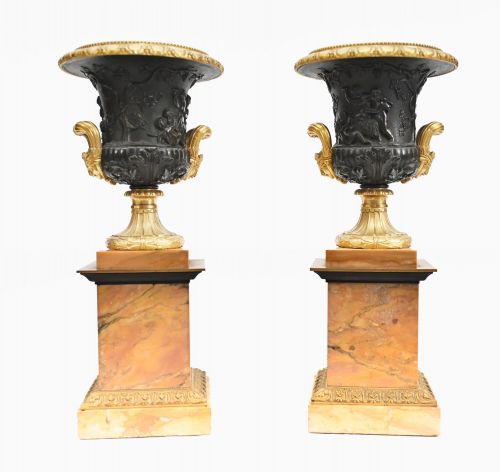
Many items received surface treatments such as fire gilding, ormolu, or patination to enrich the metal. Artisans combined these cast metal cherubs with structural components like marble socles, cut glass crystals, and hand-painted porcelain bodies.
Antique Metal Cherub Retail Price Guide 2026
Typical asking prices for metal cherub among the pieces listed under this phrase on Sellingantiques today, from the lower quarter to the upper quarter. They describe what is for sale here now, not the wider market.
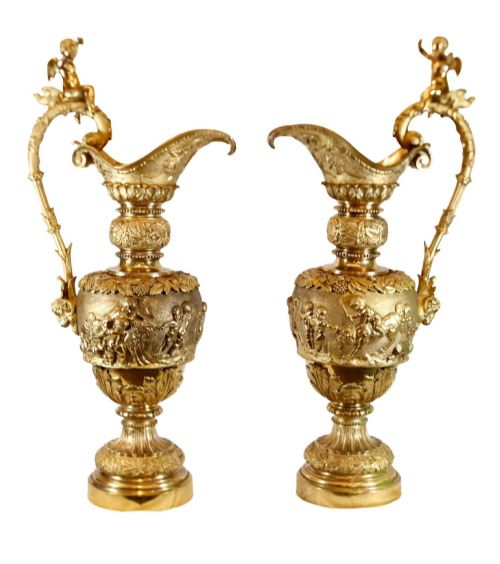
The object types paired with these winged figures include mantel clocks, wall sconces, torchiere lamps, and monumental ewers.
Distinctions in quality
The division between ordinary and superior items rests on the crispness of the chasing and the depth of the initial casting. Skilled artisans spent hours hand-chiselling the raw metal after it left the mould to sharpen facial expressions, feather tips, and drapery folds.
Materials also dictate standard, where heavy fire-gilded bronze or ormolu sits at a distinct level above lighter plated spelter or brass. The integration of high-grade secondary materials, such as finely turned statuary marble bases and robust crystal drops, elevates the overall piece.
Japy Frères·Leon Message·Jollet et Cie
The Antique Metal Cherub Glossary
- Putto
- A plump, naked male child figure often depicted with wings, commonly seen in classical and Renaissance-revival art. In later decorative metalwork, these figures are frequently referred to as cherubs or cupids.
- Ormolu
- Finely ground high-carat gold mercury-gilded to a bronze object. This French technique imparts a warm, deep yellow lustre that resists tarnishing over centuries.
- Spelter
- An alloy of zinc and lead, often finished with a bronze-look patination. It served as a less costly alternative to solid bronze in nineteenth-century decorative castings.
- Grand Tour
- A cultural journey undertaken by wealthy young Europeans to visit continental antiquities. Souvenirs collected on these travels often included small bronzes and architectural models.
- Chenet
- A metal fire dog or andiron placed at the hearth to support logs. They frequently incorporated sculptural cherubs, urns, and rococo scrollwork during the nineteenth century.
Antique Metal Cherub: Frequently Asked Questions
What is an antique metal cherub?
An antique metal cherub is a cast figure of a winged child used in domestic decorative arts like clocks, lamps, and wall sconces. These figures draw on classical, Renaissance, and revivalist design traditions.
Foundries produced them in materials ranging from solid bronze and ormolu to patinated spelter and brass. They served as ornamental highlights on functional household items throughout the nineteenth and early twentieth centuries.
How do I date an antique metal cherub?
Dating relies on examining the casting technique, the accompanying materials, and the stylistic period of the object it decorates. Nineteenth-century pieces frequently show French Rococo Revival or Italian Grand Tour influences.
Heavier bronze castings with mercury gilding typically point towards earlier nineteenth-century work, whereas lighter spelter and mass-produced electrical conversions often indicate the Edwardian era or the 1920s.
Where were these pieces placed in a home?
These decorative objects found homes in formal reception rooms, libraries, and hallways of period houses. Wall lights and sconces illuminated drawing rooms, while mantel clocks anchored the central hearth.
Smaller figures and centerpieces adorned dining tables, sideboards, and occasional furniture. Their presence added classical gravitas and theatrical flair to Victorian and Edwardian interiors.