






Antique Metal Chalice
An antique metal chalice holds centuries of ritual and domestic ceremony, offering tangible weight and rich patination that modern vessels simply cannot replicate.
Antique Metal Chalice
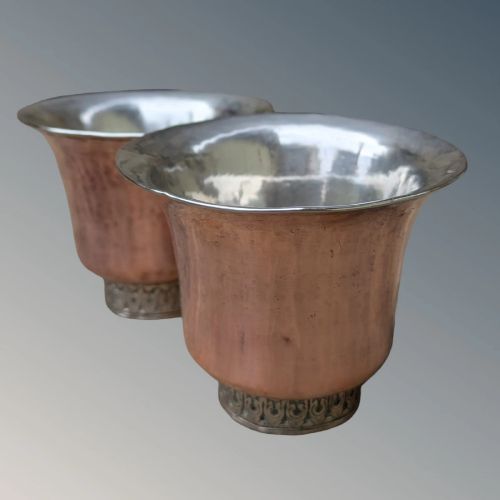
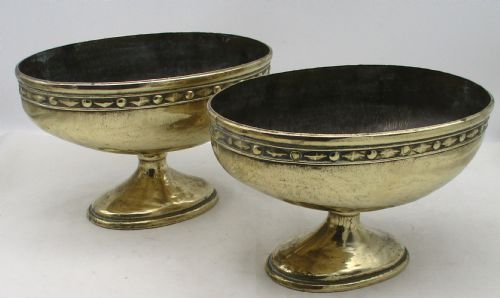
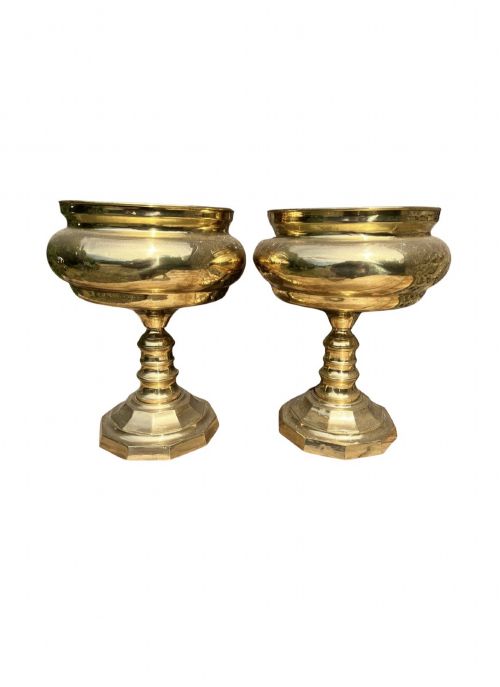
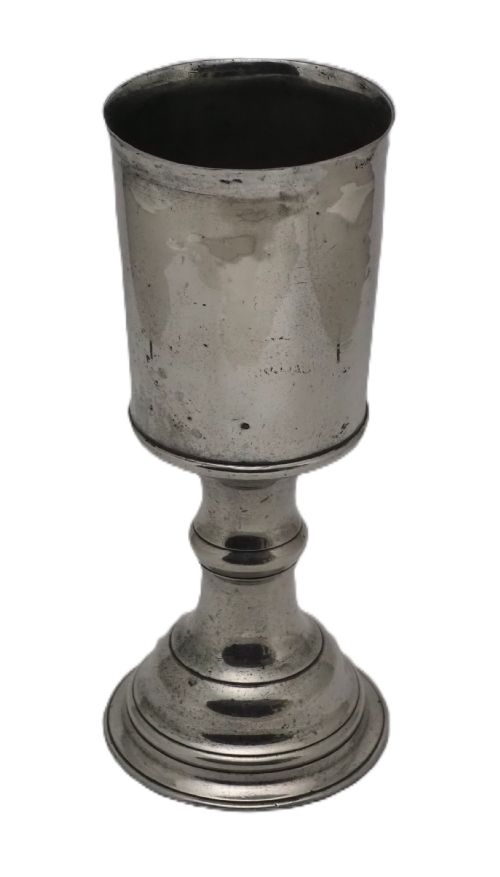
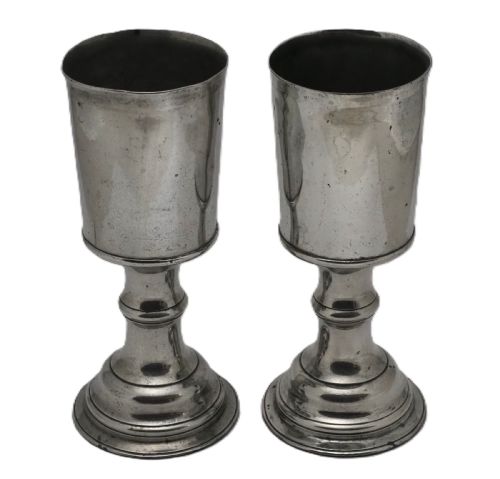
When you search for an antique metal chalice, you encounter vessels spanning from ecclesiastical communion cups to secular drinking goblets and decorative trophy cups. The listings demonstrate a diverse mix of forms, ranging from Irish pewter vessels dated around seventeen fifty to Arts and Crafts copper pieces and Grand Tour bronze items.
The most frequent examples on this page are nineteenth century brass and bronze drinking vessels, alongside ecclesiastical pewter chalices. These objects cross multiple styles, including Georgian, Victorian, Neoclassical, and Arts and Crafts, reflecting both sacred use and domestic display.
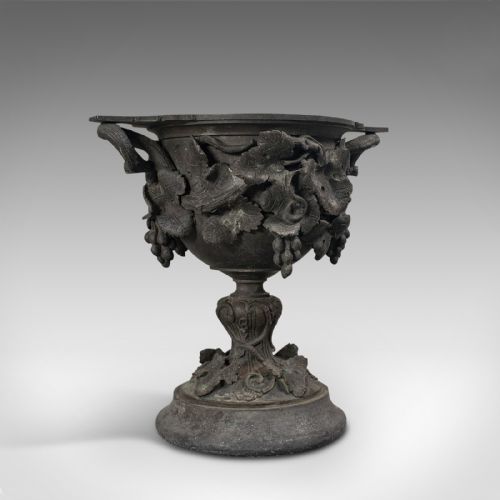
Origins vary widely across the selection, encompassing British, Irish, French, Italian, and Tibetan pieces. Buyers find everything from utilitarian mess hall cups in silver plate to elaborate gilded copper ciboria and classical campana urns.
Materials and construction methods
Makers utilised a range of metals including bronze, brass, copper, pewter, silver, and silver plate, frequently shaping them through casting and raising techniques. Enamel cabochons and gilding appear on specific decorative and ecclesiastical pieces to add surface texture and colour.
Irish pewter chalices from the mid eighteenth century display traditional casting methods designed for durability and liquid capacity. Arts and Crafts examples often feature hammered copper surfaces combined with applied decorative cabochons in the Celtic Revival style.
Antique Metal Chalice Retail Price Guide 2026
Typical asking prices for metal chalice among the pieces listed under this phrase on Sellingantiques today, from the lower quarter to the upper quarter. They describe what is for sale here now, not the wider market.
Distinguishing quality in metal vessels
Quality rests in the crispness of the casting, the weight of the metal, and the integrity of the form. Superior examples show deliberate handling of the material, whether through finely engraved detailing on copper or balanced proportions on a domed foot.
Pewter and silver plated items derive their standing from surface preservation and untouched patination rather than excessive ornamentation. Pieces that retain their original gilding or structural harmony sit higher in the range than later, less refined copies.
The Antique Metal Chalice Glossary
- Chalice
- A large cup or goblet, typically used for drinking or sacramental purposes. Many feature a stem and a widened foot for stability.
- Ciborium
- A covered container used in churches to hold consecrated hosts. They are often constructed from copper or precious metals with engraved detailing.
- Campana urn
- A bell shaped vessel originating from classical antiquity, frequently utilised during the Grand Tour period in bronze.
- Old Sheffield plate
- A composite material made by fusing a layer of silver to a copper base. This technique was widely employed before modern electroplating.
- Kantharos
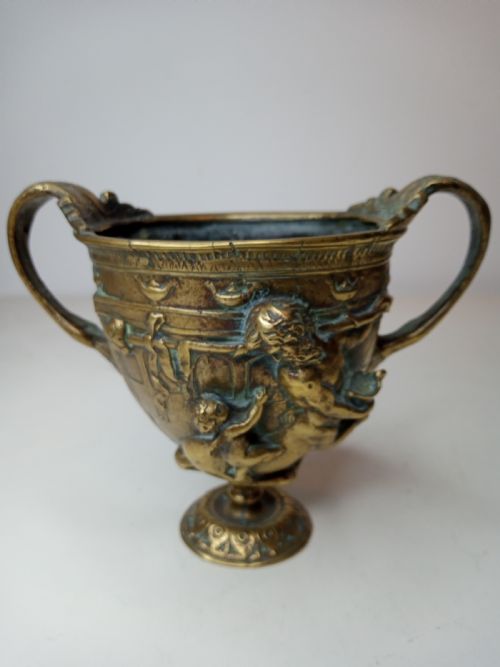
- An ancient Greek cup style featuring two high vertical handles and a deep bowl. Nineteenth century revivals replicated this classical form in brass.
Antique Metal Chalice: Frequently Asked Questions
What is an antique metal chalice used for?
These vessels served various functions ranging from sacred communion services to secular toasts and decorative display. Ecclesiastical examples held wine during religious rites, while secular cups functioned as drinking vessels or presentation trophies.
Over time, many of these objects transitioned from active utility into cabinet pieces or decorative urns. Their substantial materials allowed them to endure centuries of handling.
How do I care for antique metal vessels?
Maintenance depends entirely on the specific metal composition, whether bronze, brass, copper, or pewter. Avoid harsh commercial cleaning agents that strip away historical patination and surface wear.
Dust gently with a soft dry cloth and keep pieces away from excessive moisture. Allowing the natural surface ageing to persist preserves the character of the object.
What period do most metal chalices come from?
The available selection leans heavily into the nineteenth century, encompassing Victorian productions and Grand Tour souvenirs. Earlier examples from the seventeen fifties appear occasionally alongside twentieth century Arts and Crafts pieces.
Stylistic cues such as Neoclassical motifs or Celtic Revival patterns help narrow down the manufacturing era when dates are unstated.