



Antique Metal Cauldron
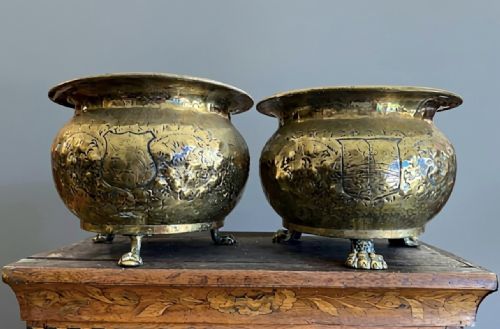
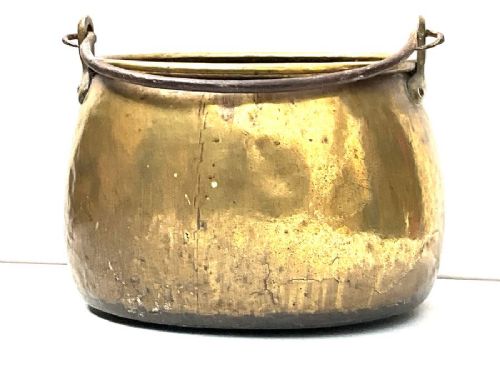
An antique metal cauldron brings hearth-warmed history into a room, offering deep vessels of beaten copper, cast iron and heavy bronze.
Antique Metal Cauldron
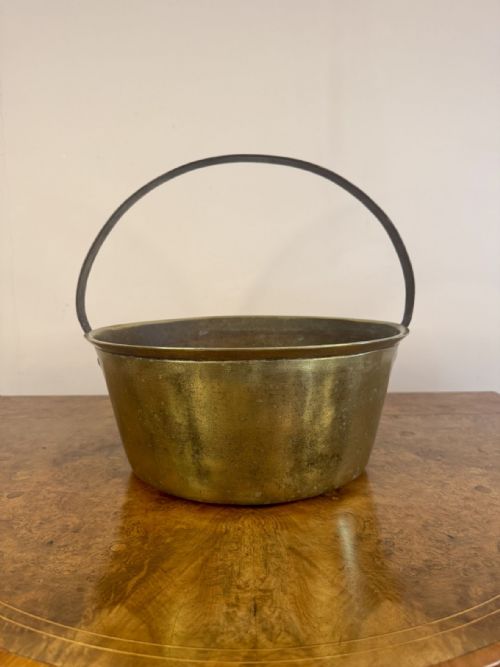
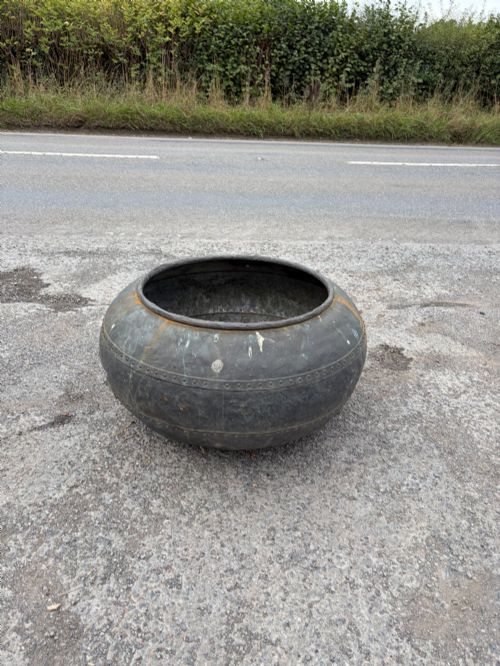
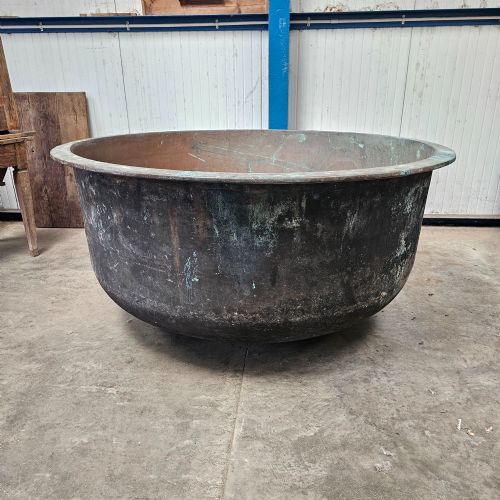
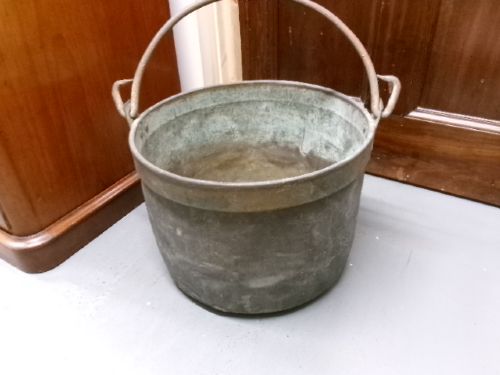
When you search for an antique metal cauldron, you encounter heavy utility vessels built for the hearth, the dairy and the kitchen across the seventeenth, eighteenth and nineteenth centuries. These items range from small brass jam pans and swing-handled boiling pots to massive copper cheese vats and robust iron log bins.
The pieces appearing on this page skew heavily towards nineteenth-century copper pots and log bins alongside earlier seventeenth-century bronze examples and Georgian brass pans. Domestic utility dominated their creation, leading makers to forge them for boiling, washing and preserving before later generations repurposed them as garden planters and fireside display items.
Continental origins sit alongside English pieces, offering everything from French garden display pots to Somerset-type bronze cooking vessels and Dutch brass jardenaires. Buyers meet a diverse array of forms that transition smoothly from active culinary duty into decorative interior storage.
Materials and Construction Methods
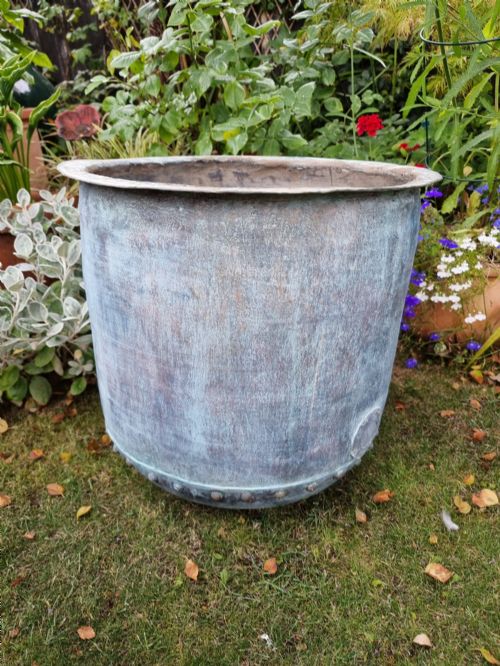
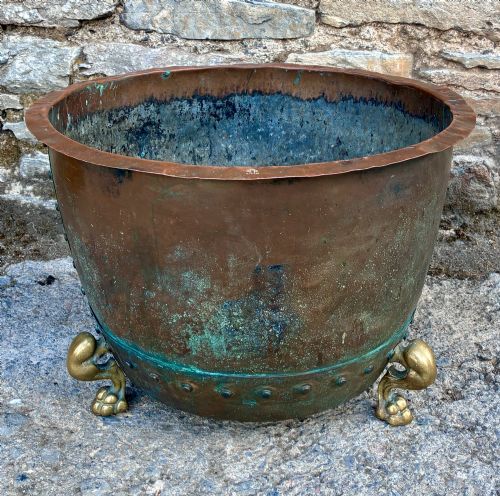
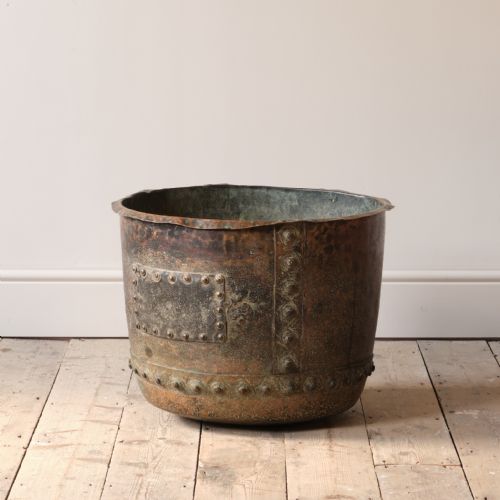
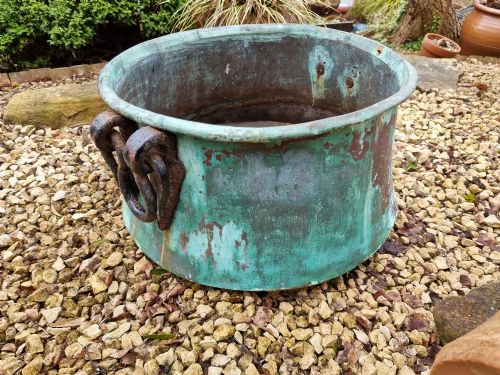
Metals such as copper, brass, iron and bronze form the physical body of these items, shaped through hammering, riveting and casting. Riveted copper boilers and pots display overlapping plates secured by hand-driven metal fasteners, often paired with stout wrought iron swing handles.
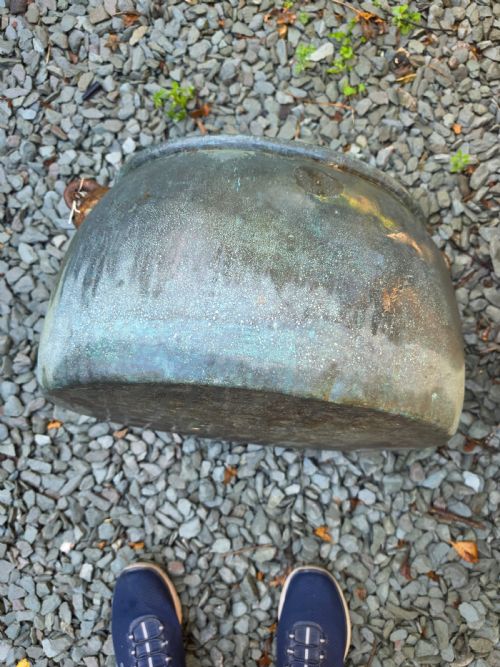
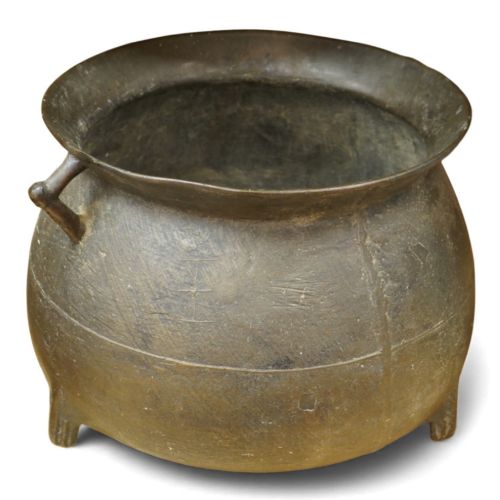
Foundries cast bronze and leaded bronze into thick-walled cauldrons and cooking vessels, leaving subtle surface textures from the moulding process. Brass jam pans and planters utilise sheet and cast construction, sometimes finished with polished surfaces or left with patinas and verdigris.
Antique Metal Cauldron Retail Price Guide 2026
Typical asking prices for metal cauldron among the pieces listed under this phrase on Sellingantiques today, from the lower quarter to the upper quarter. They describe what is for sale here now, not the wider market.
Some seventeenth-century bronze cauldrons crossed borders to become garden ornaments, swapping medieval stew for modern ferns.
Distinctions in Quality and Integrity
Substantial wall thickness and heavy metal weight dictate the structural integrity of a vessel, separating sturdy utilitarian items from thinner decorative reproductions. Superior examples maintain their original handles, riveted seams and mounting rings without modern structural reinforcement.
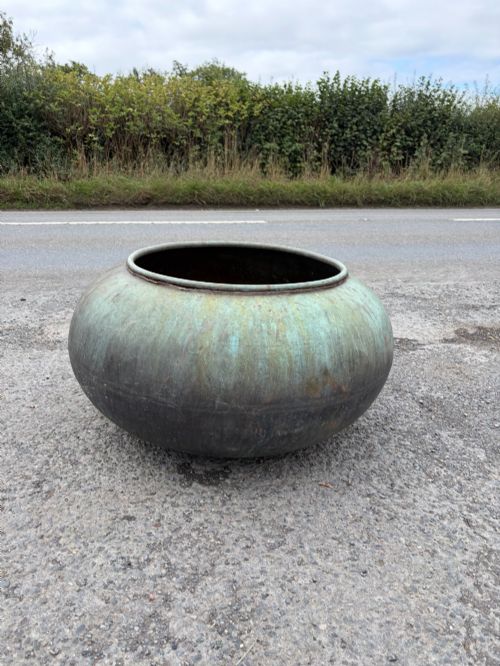
The character of the aged surface finish determines visual depth, where natural verdigris, historical bumps and uniform oxidation indicate genuine age and honest domestic service rather than artificial ageing.
Henry Loveridge
The Antique Metal Cauldron Glossary
- Cauldron
- A deep metal pot with a rounded bottom and usually a swing handle, traditionally used for cooking over an open fire. These vessels evolved from hearth tools into decorative planters and log bins.
- Dinanderie
- A term for various objects made of brass, copper or bronze, named after the Belgian town of Dinant. It covers historical European beaten and cast metalware.
- Jam Pan
- A wide, shallow metal pan with a flat bottom and handles, designed for boiling fruit and sugar. They are typically fashioned from heavy brass or copper.
- Verdigris
- The green patina that forms naturally on copper, brass and bronze through atmospheric oxidation over long periods. Collectors value stable layers of this corrosion as proof of age.
- Swing Handle
- A movable arched metal handle attached to opposite sides of a pot or cauldron by lugs or ears. They facilitate lifting heavy contents from hearth hooks.
Antique Metal Cauldron: Frequently Asked Questions
What were antique metal cauldrons used for?
These vessels served heavy domestic duties such as boiling water, cooking communal meals, brewing, washing laundry and preserving fruit over open hearths.
Over time, many transition into domestic settings as log bins, coal scuttles, fireside accessories or large garden planters.
How do I clean an antique copper pot?
Light dusting and gentle wiping with a dry or slightly damp cloth preserves the historical patina and stable verdigris that collectors value.
Scouring agents and harsh chemical polishes strip away centuries of oxidation, diminishing the authentic character of the metal.
Are seventeenth-century cauldrons safe for fires?
Early cast bronze and iron vessels withstand heat, but thermal shock from modern fires can crack fragile historical metal.
Displaying them beside the hearth or utilising them for dry storage protects the antique structure from irreversible damage.
How do I date a brass jam pan?
Construction marks provide the clearest timeline, where hand-beaten surfaces, cast iron handles and dovetailed or riveted seams point to Georgian or Victorian manufacturing methods.
Machine-rolled edges and uniform modern brass indicate twentieth-century production rather than nineteenth-century workshop origins.