




Antique Metal Candelabra Stand
These antique metal candelabra stand pieces bring distinct architectural presence and layered illumination to a room.

Antique Metal Candelabra Stand
An antique metal candelabra stand combines sculptural height with multiple candle holders, often serving as a commanding focal point in a traditional interior. The selection on this page ranges from compact tabletop pairs to substantial floor-standing examples intended to anchor a corner or a hallway.
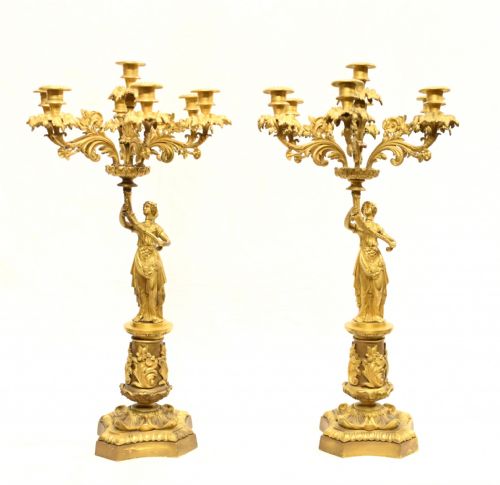
Buyers frequently encounter French Rococo Revival, Victorian, and Art Nouveau interpretations that showcase elaborate casting and figurative work. Pieces date from the nineteenth and early twentieth centuries, spanning stylistic shifts from heavy neoclassical proportions to flowing organic lines.
The category also embraces utilitarian items transformed into decorative objects, such as converted gas light standards and trench art creations. These diverse forms reflect both domestic luxury and the ingenious re-working of industrial metalwork over successive generations.
Materials and construction methods
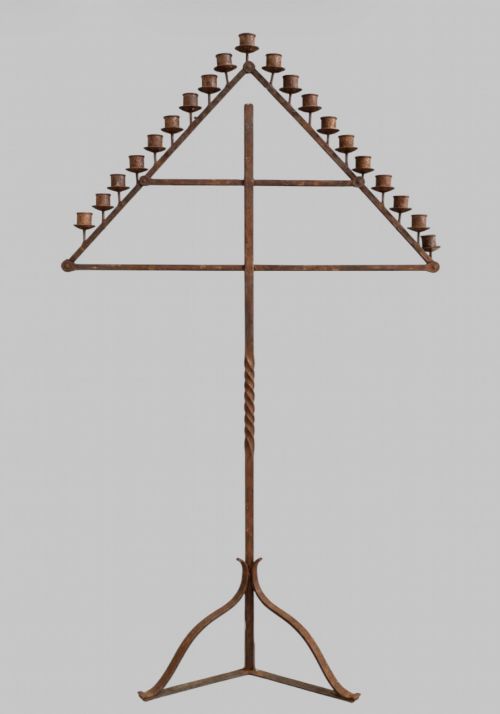
Makers utilised a variety of metals including gilt bronze, ormolu, brass, wrought iron, cast iron, and spelter to achieve different structural and aesthetic demands. Heavier items often incorporate marble or alabaster bases to provide essential stability for multi-armed branch configurations.
Casting techniques allowed workshops to produce intricate floral motifs, scrollwork, and figurative elements like maidens and Hollywood figures. Surface finishes range from fire-gilding and silvering to patinated metal treatments that highlight the underlying texture of the forged or cast components.
Antique Metal Candelabra Stand Retail Price Guide 2026
Typical asking prices for metal candelabra stand among the pieces listed under this phrase on Sellingantiques today, from the lower quarter to the upper quarter. They describe what is for sale here now, not the wider market.
Listings feature items spanning the 19th Century, 1860, 1880, 1900, 1920, and 1930 periods.
Distinctions in quality
The integration of secondary materials, such as fitted crystal drops or substantial marble plinths, distinguishes higher-end domestic objects from simpler utility items. Quality also shows in the fidelity of the period style, whether capturing the exuberant asymmetry of French Rococo or the refined geometry of Art Deco.
WMF
The Antique Metal Candelabra Stand Glossary
- Ormolu
- A gilded bronze technique popular in French decorative arts. It involves applying a finely ground high-carat gold-mercury amalgam to a bronze base before heating.
- Spelter
- An alloy of zinc and lead used as a less costly alternative to bronze. It takes fine detail well and was frequently painted or electroplated.
- Patinated Metal
- Metal surfaces altered by chemical treatment, age, or handling. This process creates a stable, protective, and decorative outer layer of colour.
- Gilt Bronze
- Bronze metal coated with a thin layer of gold leaf or gold dust. It provides a bright, durable finish that resists tarnishing over decades.
Antique Metal Candelabra Stand: Frequently Asked Questions
How do I clean an antique metal candelabra stand?
Dust gently with a soft, dry brush to prevent the accumulation of grit in recessed cast details. Avoid harsh chemical polishes that can strip original gilding, patination, or silvered surfaces.
For stubborn grime, consult a specialist conservator rather than attempting aggressive liquid cleaning at home. Preserving the surface skin maintains both the historic character and the visual depth of the metal.
Were these stands electrified later?
Many examples from the late nineteenth and early twentieth centuries adapted to changing domestic lighting technologies. Conversions from gas or candles to electricity occurred frequently over their working lives.
Buyers should examine the wiring pathways and internal components to determine if modifications happened recently or historically. Professional rewiring ensures safe daily use in modern residential settings.
How do I date an Art Nouveau candelabra?
Art Nouveau pieces typically display asymmetrical whip-like lines, stylised floral motifs, and depictions of maidens with flowing hair. These design characteristics emerged strongly around the turn of the twentieth century.
Examining the casting seams, fastener types, and metal composition helps confirm the period. Spelter and silvered pewter were favoured mediums during this stylistic window.