




Antique Metal Bracket
These antique metal bracket pieces encompass structural shelf supports, bell fixings, trade signs and lighting fixtures shaped from iron, bronze and brass across the nineteenth and early twentieth centuries.
Antique Metal Bracket
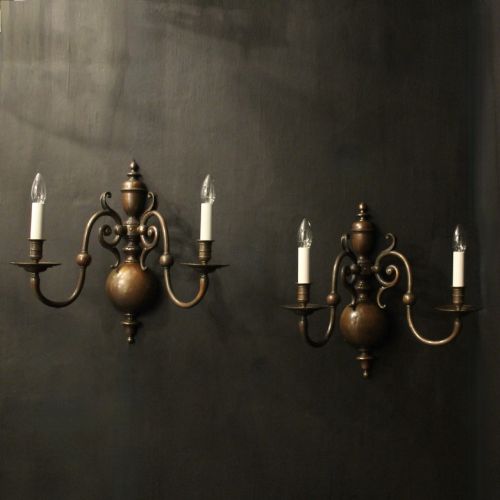
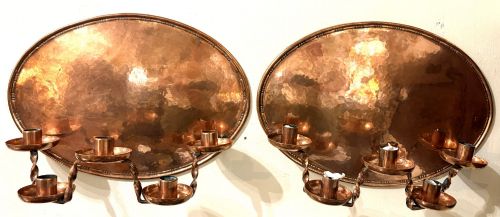
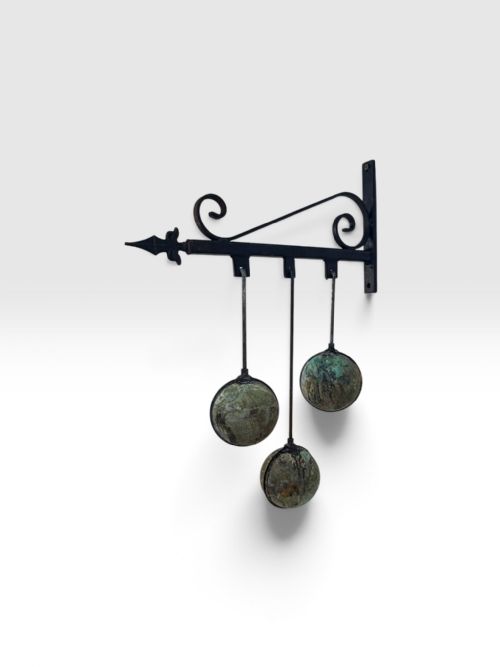
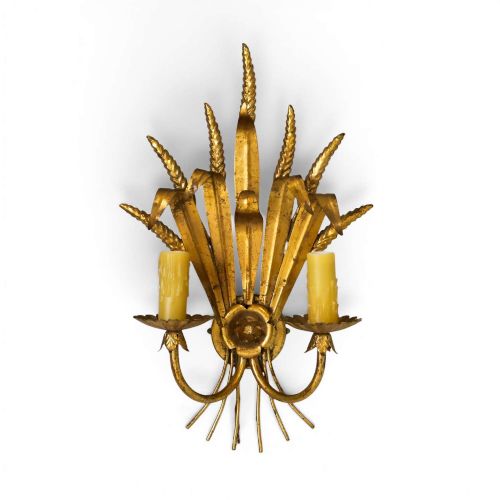
An antique metal bracket serves multiple domestic and commercial functions, appearing primarily as wall lights, architectural shelf supports, trade signs and bell mounts. Buyers searching this phrase encounter heavy utilitarian ironwork alongside decorative gilt bronze and ormolu wall sconces.
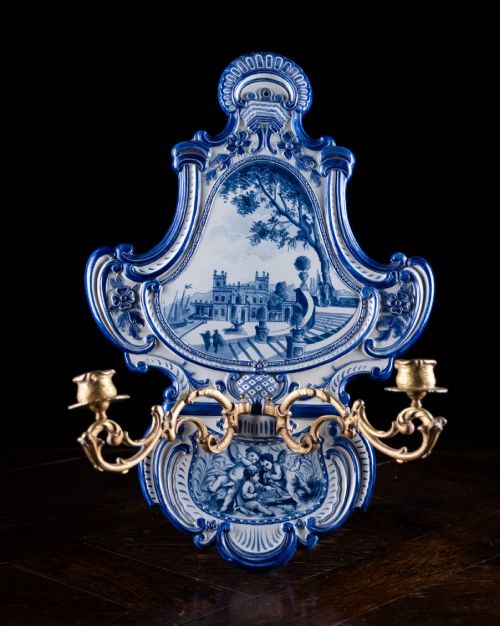
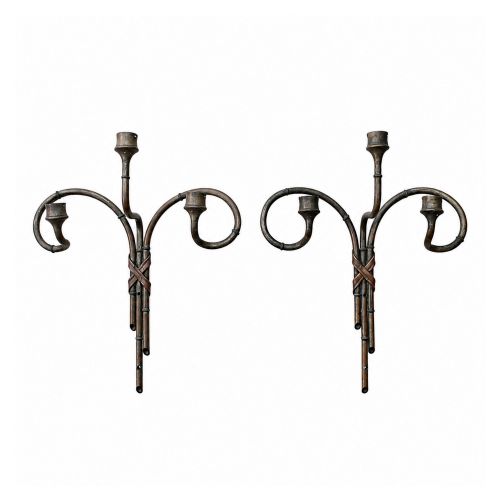
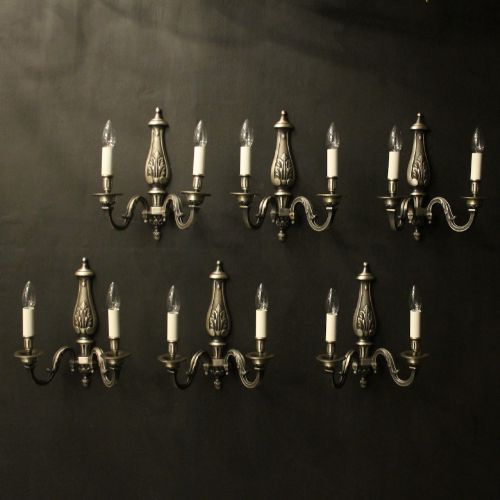
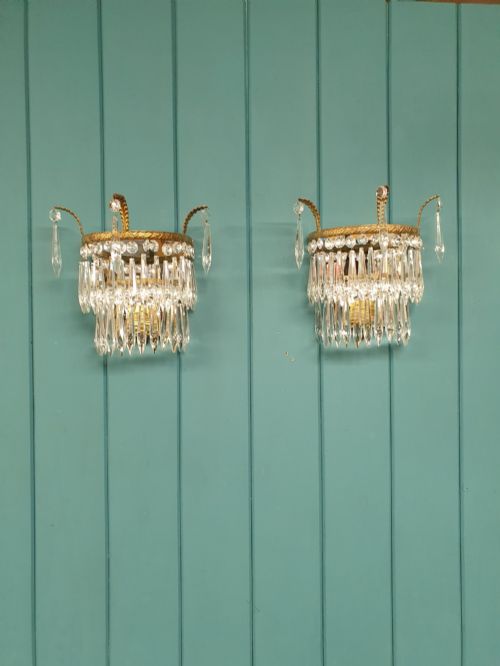
The domestic lighting examples dominate the selection, spanning simple Edwardian spikes to elaborate French Rococo and Gothic Revival twin arm wall lights. Utility items such as heavy cast iron shelf brackets and large iron brackets provide the heavier structural forms.
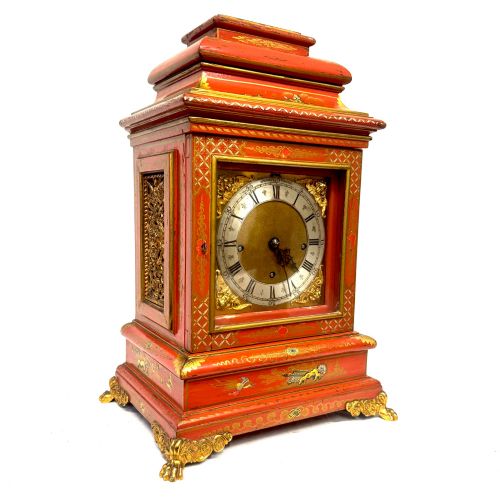
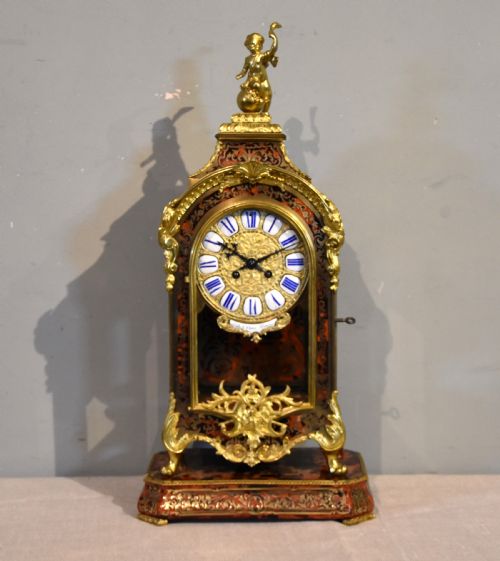
Origins stretch across English, French, Italian and Dutch workshops, capturing periods from the mid nineteenth century through the nineteen thirties. These items range from plain architectural salvage to ornate mantel clock brackets and gilt brass tapestry banner hangers.
Materials and construction methods
Metals form the core of these pieces, utilising cast iron, wrought iron, bronze, brass, copper, ormolu and gilt metal alongside integrated glass, wood and toleware components. Wrought iron pieces rely on hand forging and painting, while bronze and brass items employ traditional casting techniques.
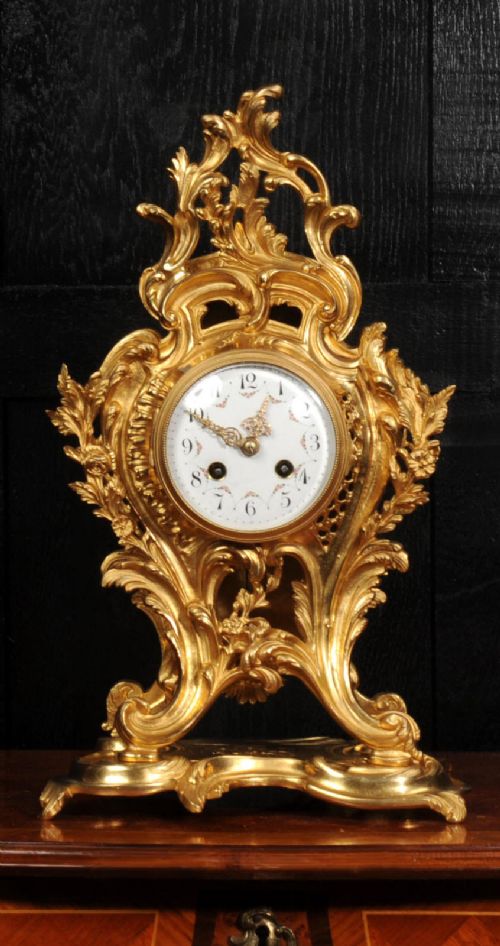
Surface treatments define the visual character of the metalwork, incorporating fire gilding, silver gilding, polychrome paint and ebonising. Artisans combined these finishes with applied decorative motifs such as cherubs, dragons and floral scrolls.
Antique Metal Bracket Retail Price Guide 2026
Typical asking prices for metal bracket among the pieces listed under this phrase on Sellingantiques today, from the lower quarter to the upper quarter. They describe what is for sale here now, not the wider market.
Architectural forms range from utilitarian shelf supports and trade signs to elaborate French Rococo and Gothic Revival wall lights.
Assessing quality in metal brackets
Quality rests upon the crispness of the casting detail and the integrity of the original surface finish, whether fire gilding or painted wrought iron. Finer examples display meticulous hand chasing on bronze surfaces and robust structural joints on iron brackets.
Design cohesion dictates upper tier pieces, where stylistic elements from French Rococo, Gothic Revival or Arts and Crafts movements integrate harmoniously with the primary function of the bracket. Lesser examples show mechanical uniformity or crude assembly lacking sculptural depth.
Henri Picard·Leon Message·Jollet et Cie
The Antique Metal Bracket Glossary
- Ormolu
- Gilt bronze ornamentation applied to furniture, clocks and light fittings. This technique involves amalgamating gold with mercury and heating the metal to leave a rich golden layer.
- Toleware
- Lacquered or enamelled sheet metal items produced in various European centres. These decorative pieces often feature hand painted polychrome floral motifs.
- Wrought iron
- Iron shaped by heating and hammering by hand rather than pouring into a mould. This material yields strong, fibrous structures visible in traditional architectural brackets.
- Gilt metal
- Base metal treated with a thin coating of gold leaf or gold paint to simulate solid gold or heavy fire gilt bronze. It provides decorative brilliance at a lighter weight.
- Wall sconce
- A bracket fixture fixed to a wall for holding candles or electric lamps. These fixtures frequently incorporate ornate backplates and multiple arms.
Antique Metal Bracket: Frequently Asked Questions
What periods do these brackets span?
The pieces span from the mid nineteenth century through the Edwardian era up to the nineteen thirties. They cover Victorian utilitarian ironwork alongside elaborate early twentieth century decorative lighting.
Design movements represented include French Rococo, Gothic Revival, Arts and Crafts and Dutch Baroque. Each period utilises distinct casting methods and surface finishes characteristic of its time.
How were these heavy metal brackets used?
Brackets served structural, domestic and commercial roles in historical interiors. Heavy cast iron and wrought iron versions supported shelves, structural overhangs and large trade signs.
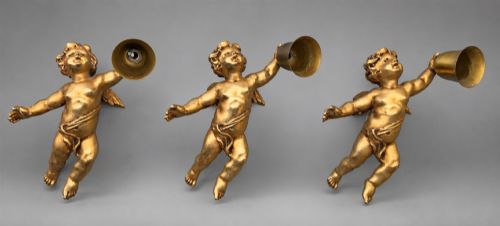
Other variants acted as hanging mounts for tower bells or supported tapestry banners and lighting arms. They functioned as permanent architectural fixtures requiring secure wall anchorage.
How do I distinguish bronze from gilt metal?
Bronze exhibits significant weight, density and a warm metallic resonance when tapped, with patination that develops naturally beneath surface finishes. Genuine gilt bronze or ormolu displays fine hand chasing under magnification.
Gilt metal typically feels lighter and may reveal base metal showing through worn areas of the gold coating. The underlying casting on gilt metal often lacks the sharp detail found in quality bronze work.
Can antique wall brackets hold modern lighting?
Many wall sconces and lights adapt readily to modern electrical standards with appropriate rewiring by a qualified professional. The hollow arms and backplates often accommodate discreet internal wiring.
Care must be taken to ensure the wall fixings match the weight of heavy bronze or cast iron fixtures. Structural brackets require solid masonry or stud support to bear loads safely.