




Antique Metal Beaker
These antique metal beaker pieces bring tactile historic weight to a room, offering drinkers and collectors tangible domestic metalwork from past centuries.
Antique Metal Beaker
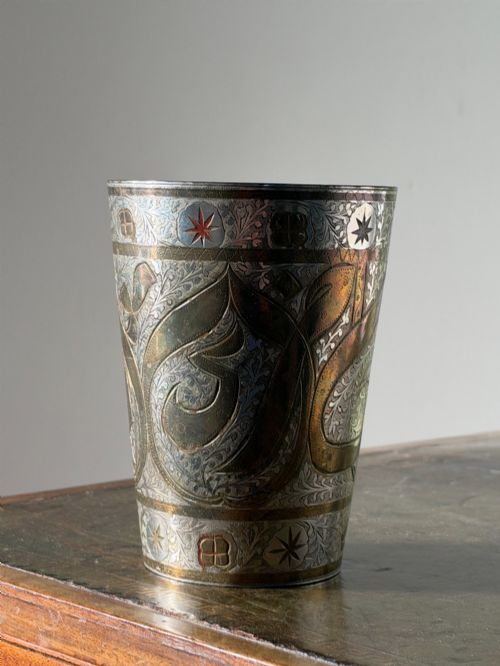
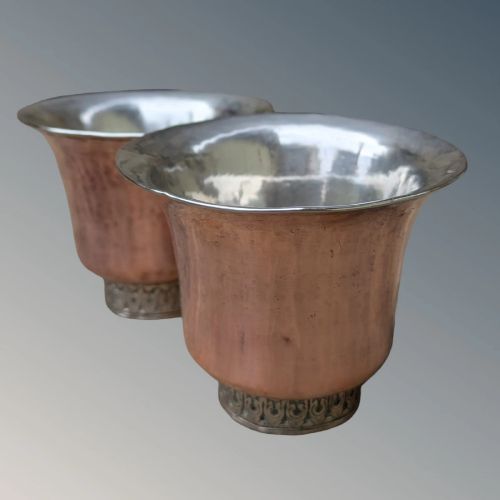
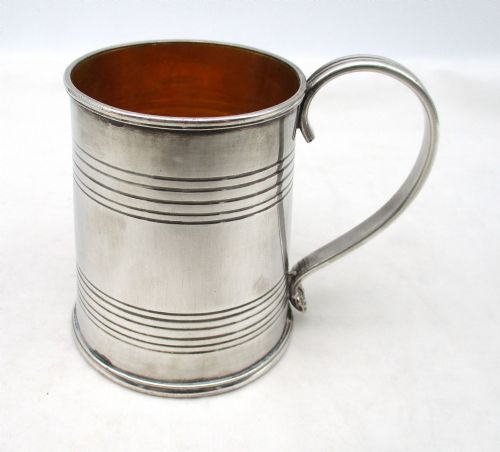
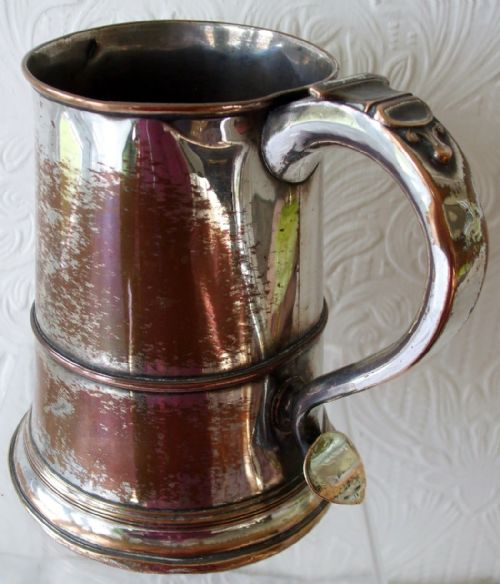
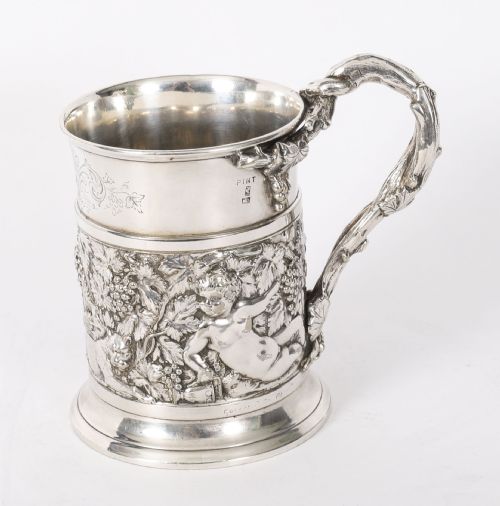
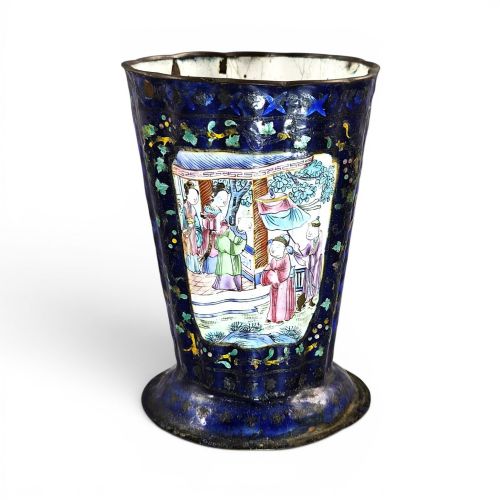
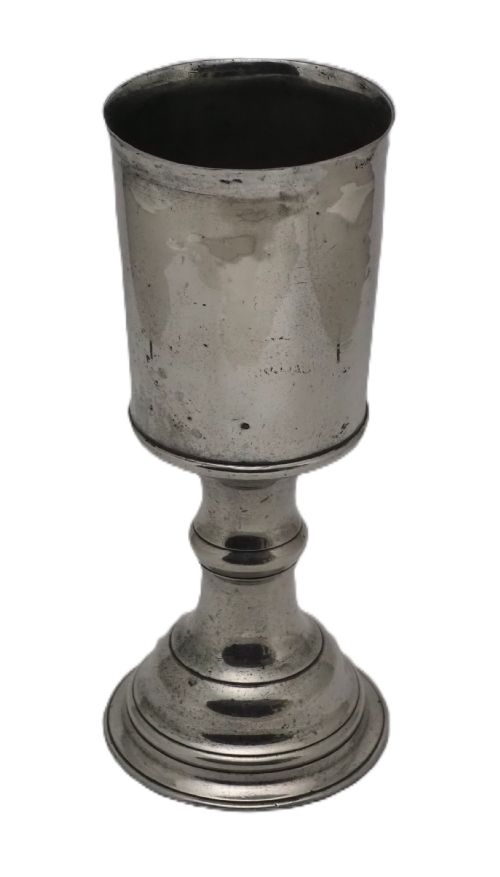
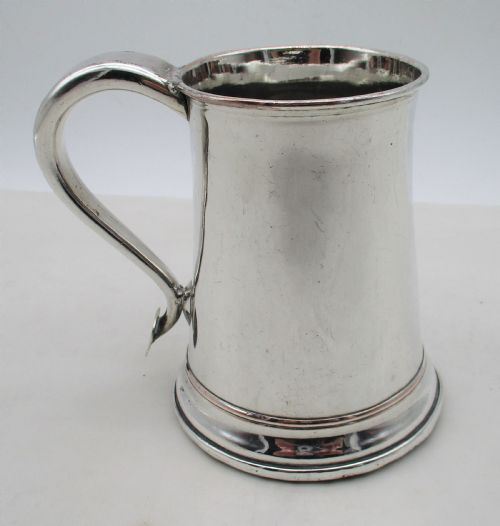
An antique metal beaker search covers everything from small drinking vessels and tankards to chalices and mugs spanning the seventeenth century up to nineteen hundred. You will frequently encounter Georgian and Victorian drinking vessels alongside continental pewter pieces and silver plated examples.
The selection ranges across materials like copper, silver, pewter, and Old Sheffield Plate, reflecting domestic and ceremonial drinking customs across multiple eras. Makers and origins stretch from English workshops to Tibetan pieces and Chinese export vessels.
Vessels take various forms including baluster shapes, christening mugs, and embossed tankards, providing diverse examples of historical metalworking. Buyers seeking these items will find both plain utility pieces and heavily decorated items.
Materials and construction methods
Pewter and copper form the foundation of many domestic vessels, shaped through traditional hammering, casting, and soldering techniques. Silversmiths and metalworkers utilised silver plating and Old Sheffield Plate to achieve durable decorative surfaces.
Antique Metal Beaker Retail Price Guide 2026
Typical asking prices for metal beaker among the pieces listed under this phrase on Sellingantiques today, from the lower quarter to the upper quarter. They describe what is for sale here now, not the wider market.
Listings feature items spanning the seventeenth century through to nineteen hundred, incorporating English, Dutch, Tibetan, and Chinese origins.
Distinctions in craftsmanship and finish
Quality rests in the crispness of the chasing, the balance of the baluster form, and the integrity of soldered joints on handles and bases. Finer pieces display deliberate weight and proportion rather than hasty assembly.
The preservation of original surface finishes, whether polished silver plate or patinated pewter, dictates visual appeal. Detail work in embossed scroll handles and engraved panels separates standard utility vessels from superior examples.
G R Collis·W M F
The Antique Metal Beaker Glossary
- Old Sheffield Plate
- A fused composite of silver and copper produced before electroplating was invented. This technique creates a durable layered metal that wears down to reveal the warm copper underneath.
- Baluster form
- A architectural vase shape featuring a rounded lower body tapering to a narrower neck. It provides ergonomic comfort for a drinking vessel.
- Pewter
- A malleable alloy consisting primarily of tin mixed with copper and antimony. It was widely used for domestic tableware due to its workability.
- Chalice
- A stemmed sacramental cup used for drinking wine during religious ceremonies. These vessels possess elevated bases and deep bowls.
Antique Metal Beaker: Frequently Asked Questions
How do I clean antique pewter?
Pewter benefits from gentle washing with mild soap and warm water followed by thorough drying with a soft cloth. Avoid harsh commercial metal polishes that strip away historical patina.
Preserving the dull grey surface maintains the visual character developed over centuries of handling and oxidation.
What is Old Sheffield Plate?
Old Sheffield Plate involves fusing a thin sheet of silver onto a thicker copper base using heat and pressure. The resulting material combines the appearance of solid silver with the structural rigidity of copper.
Pieces made this way date primarily from the eighteenth and early nineteenth centuries before chemical electroplating replaced the technique.
Can I use these beakers for drinking?
While many historical vessels were created for functional consumption, modern use depends heavily on the metal composition. Silver, pewter, and copper require careful consideration regarding internal linings and historical degradation.
Collectors generally treat older metalware as display pieces rather than daily kitchenware to protect fragile surfaces and soldered joins.
How do I date antique metalware?
Dating relies on identifying maker marks, touchmarks, manufacturing styles, and material characteristics specific to certain decades. Stylistic clues such as Rococo scroll handles or Art Nouveau motifs help narrow the period.
Comparing construction seams and tool marks provides further insight into whether a vessel originates from the seventeenth, eighteenth, or nineteenth century.