




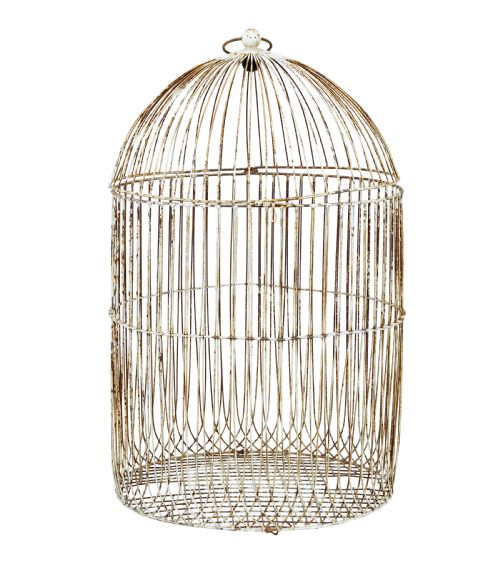


Antique Metal Aviary
An antique metal aviary offers an immediate focal point, bringing domestic architecture and historical decorative charm into your rooms.
Antique Metal Aviary
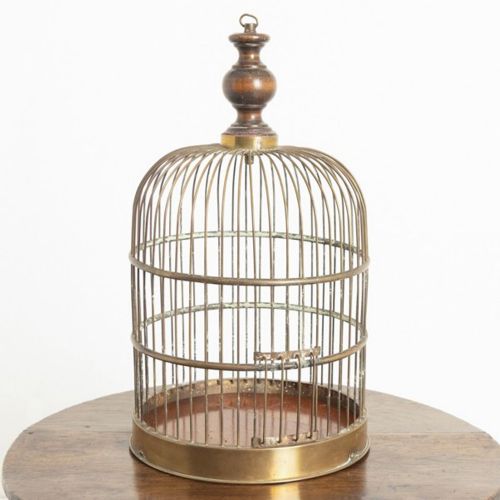
The inventory ranges from 19th-century wire frame models to substantial brass and copper structures dating into the early 20th century. You will frequently find pieces originating from English country houses and French chateaus, bringing distinct continental or domestic styling to your interior. Each item reflects the craftsmanship of past eras, utilising robust metals adapted for ornamental display.
Materials and construction
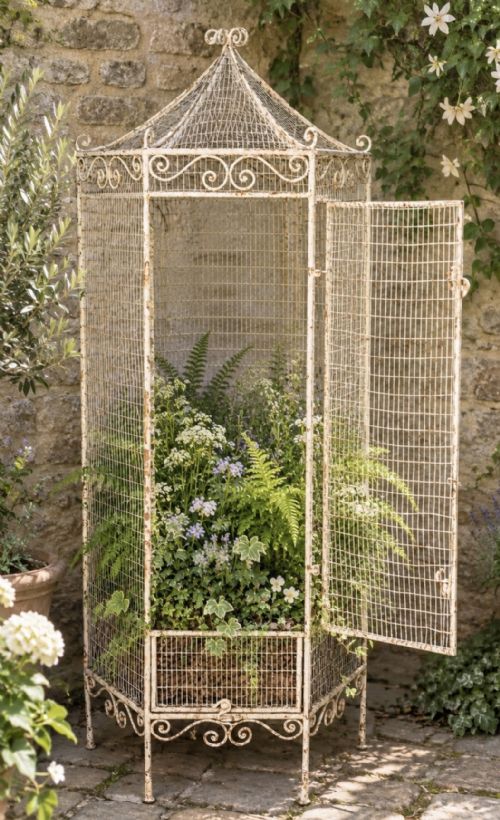
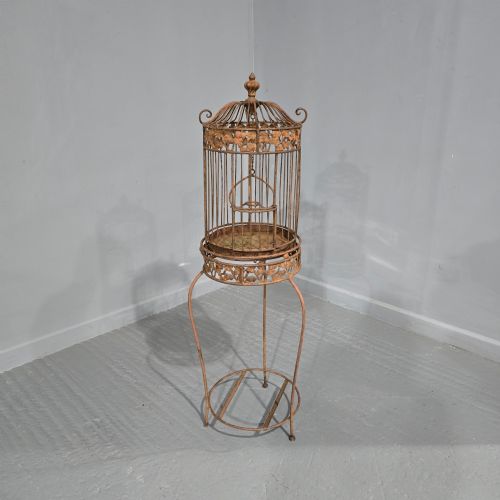
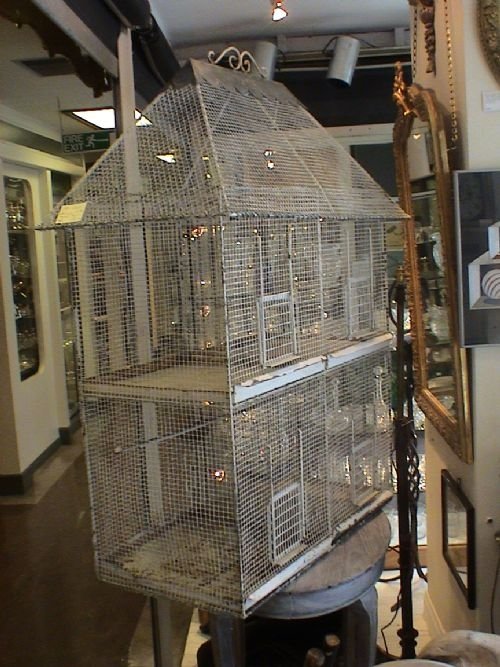
Makers constructed these cages using a combination of brass, wrought iron, cast iron, and wire mesh, often accented with copper and painted wooden elements. The structural frames rely on sturdy cast iron or heavy wire, providing stability for large designs like those mounted on stands. Brass components bring a warm metallic sheen that contrasts with the industrial strength of iron and zinc.
Detailing often incorporates the flowing botanical motifs characteristic of Art Nouveau or the classical symmetry favoured in French provincial workshops. Artisans soldered wire mesh meticulously to form the enclosures, balancing structural integrity with an airy, transparent aesthetic.
Antique Metal Aviary Retail Price Guide 2026
Typical asking prices for metal aviary among the pieces listed under this phrase on Sellingantiques today, from the lower quarter to the upper quarter. They describe what is for sale here now, not the wider market.
Materials recur in combination, pairing brass frames with copper accents, iron stands, and zinc panels.
Assessing quality and character
The distinction between standard examples and superior pieces lies in the complexity of the metalwork and the integrity of the materials. Substantial weight, integrated stands, and the clever combination of brass and copper indicate higher ambition in the original workshop. Finer items demonstrate sophisticated assembly techniques where wire mesh and structural bars join seamlessly without obscuring the overall form.
Patina and surface preservation also dictate the desirability of a piece. Original paint finishes, weathered zinc surfaces, and polished brass that has aged naturally hold greater visual depth than uniform modern restorations.
The Antique Metal Aviary Glossary
- Aviary
- A large enclosure for keeping birds, though antique examples on this page are typically used as decorative objects. These structures range from tabletop brass cages to massive cast iron versions on dedicated stands.
- Wire mesh
- A latticework of intersecting metal wires forming the transparent walls of the cage. This material allowed ventilation and visibility while maintaining a secure perimeter.
- Cast iron
- Iron poured into a mould to create complex shapes and heavy structural components. It provides exceptional stability, particularly for birdcages designed to sit upon freestanding stands.
- Patina
- The surface sheen and colour acquired by metal, paint, and wood through age and use. A genuine patina tells the history of the object and adds depth to the material.
Antique Metal Aviary: Frequently Asked Questions
What is an antique metal aviary used for?
These pieces serve as prominent decorative objects within interior spaces rather than functional enclosures for living birds. Collectors place them on tables, hang them from ceilings, or position them on stands to create sculptural focal points.
Their architectural presence complements both traditional country house aesthetics and eclectic modern interiors by adding historic texture and height to a room.
How do I date a brass bird cage?
Dating relies on stylistic clues such as Art Nouveau floral motifs, Victorian cast iron bases, or the specific construction of the wire mesh. Maker techniques and the presence of mixed metals like copper and brass also point toward particular decades between the late nineteenth and early twentieth centuries.
Examining the fasteners, solder points, and wear patterns helps confirm whether a piece originates from the nineteenth century or the Edwardian era.
Are these cages suitable for outdoor display?
Most antique metal aviaries are constructed from brass, iron, and wire mesh that can suffer from accelerated corrosion if exposed to damp weather. Keeping them indoors protects vulnerable painted surfaces and delicate wire structures from the elements.
If placed in a sheltered conservatory, monitor the metal closely for moisture accumulation to preserve the original finish and patina.
How do I clean an antique bird cage?
Gentle dusting with a soft brush preserves the delicate wire mesh and accumulated patina of the metal. Avoid harsh chemical cleaners that might strip away original paint or the aged surface of brass and copper.
Regular maintenance simply requires removing surface debris while leaving the historic character of the materials intact.