






Antique Mesh Fender
An antique mesh fender protects a room from stray embers while keeping hearth warmth fully visible.
Antique Mesh Fender
An antique mesh fender is a protective hearth accessory designed to contain sparks and coals while allowing heat to circulate freely into the room. When searching for an antique mesh fender, buyers encounter practical guards built to keep children and nurseries safe from open fires.
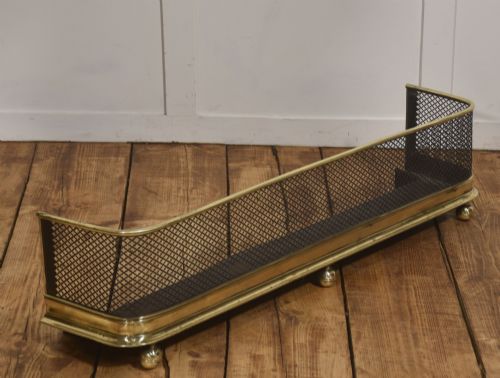
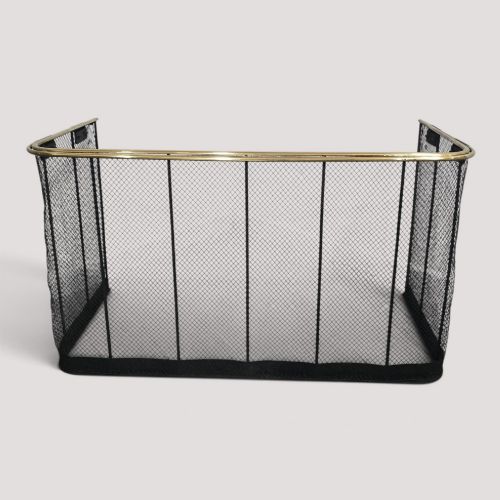
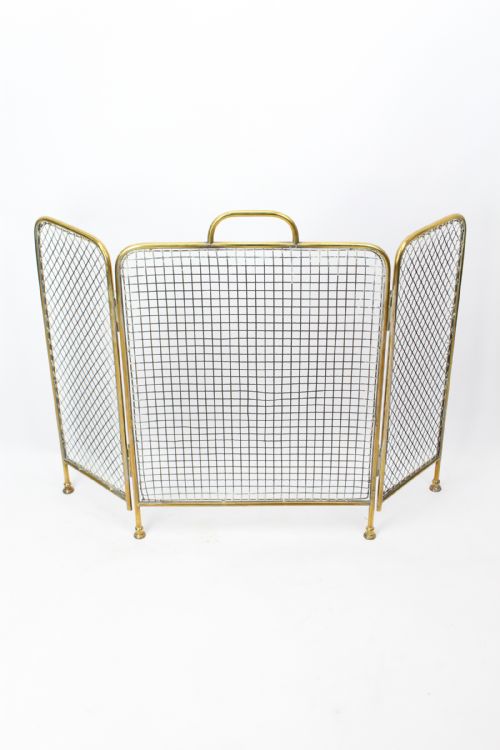
The pieces on this page span the Regency, Victorian, and Edwardian eras, running from the early nineteenth century through to nineteen hundred. Forms vary from simple folding screens to large nursery fenders equipped with brass top rails or clothes rails.
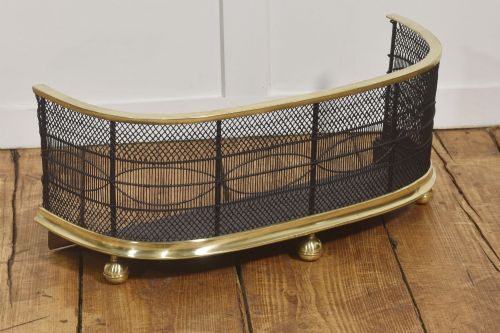
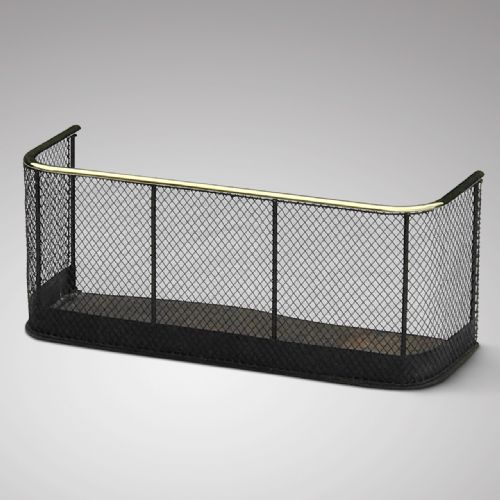
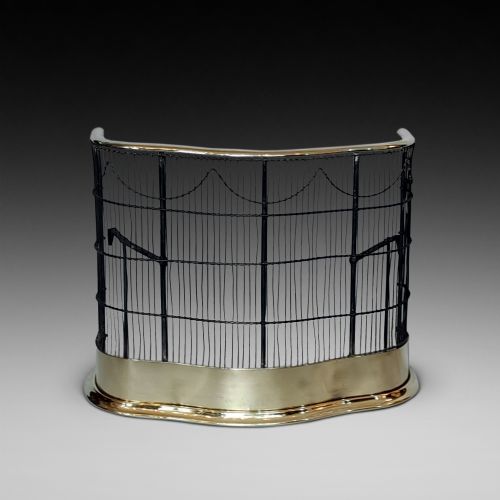
Materials combine sturdy metal frames with fine wire mesh or woven iron wire. Many examples pair a polished brass rim or frame with a dark wire body, creating a balanced contrast that suits period fireplaces.
How they were made
Makers constructed these guards using strong iron, steel, or brass frames to support delicate networks of wire mesh and steel wire. The metal components were shaped into bowed, serpentine, or rectangular profiles designed to fit snugly around hearth openings.
Brass top rails and rims were often added to the upper edges, fixed securely to the woven iron wire or wire mesh bodies. Folding mechanisms on certain Victorian versions allowed the guards to collapse or adjust for storage and hearth access.
Antique Mesh Fender Retail Price Guide 2026
Typical asking prices for mesh fender among the pieces listed under this phrase on Sellingantiques today, from the lower quarter to the upper quarter. They describe what is for sale here now, not the wider market.
Listings feature items spanning the Regency, Victorian, and Edwardian periods, utilising brass, iron, and wire mesh.
What varies in quality
Quality rests in the precision of the wire weaving and the heft of the supporting brass or iron frame. Finer pieces display tight, even wire mesh secured cleanly to sturdy structural surrounds rather than loose or uneven joins.
The presence of refined details such as a shaped brass top rail, bowed serpentine framing, or an integrated clothes rail elevates an ordinary guard into a more substantial furnishing.
The Antique Mesh Fender Glossary
- Nursery fender
- A tall protective guard designed originally to encircle a fireplace and keep children at a safe distance from open flames.
- Serpentine
- A gentle curving shape that undulates outwards, often seen on the front rim of Victorian mesh guards.
- Wirework
- The craft of bending and weaving metal wire into structural and decorative patterns for spark guards.
- Brass top rail
- A polished metallic handrail fitted along the upper edge of a fire guard, providing both a finished appearance and structural rigidity.
Antique Mesh Fender: Frequently Asked Questions
What is an antique mesh fender?
An antique mesh fender is a metal hearth guard built to stop sparks from reaching the room. They protect flooring and furnishings while maintaining visibility of the fire.
These pieces date across the nineteenth and early twentieth centuries, featuring woven wire mesh set into brass, iron, or steel frames.
How were nursery fenders used?
Nursery fenders were placed around open hearths in family rooms and bedrooms to keep children and long garments away from glowing coals. Some included integrated rails for warming or drying clothes.
Their tall, enclosed designs ensured complete perimeter safety without blocking the radiant heat of the fireplace.
How do I date an antique fire guard?
Dating relies on materials, construction methods, and stylistic cues associated with periods like the Regency, Victorian, and Edwardian eras. Earlier pieces often feature heavier brass framing and hand-woven iron wire.
Later Victorian and Edwardian examples introduced folding mechanisms and lighter steel wire mesh configurations.
How do I style a mesh fender at home?
Position the fender directly in front of the hearth opening, matching its metallic finish with other fireplace tools and accessories. Bowed and serpentine shapes fit neatly against traditional hearth stones.
Ensure the dimensions allow adequate clearance for fire irons while framing the fireplace as a focal point.