





Antique Memory Locket
An antique memory locket holds photographs, hair, or small tokens close to the heart, offering a tangible connection to people and moments past.
Antique Memory Locket
When you search for an antique memory locket, you encounter personal pieces designed to hold miniature portraits, woven hair work, or small mementoes. These items function as intimate wearable archives from past eras.
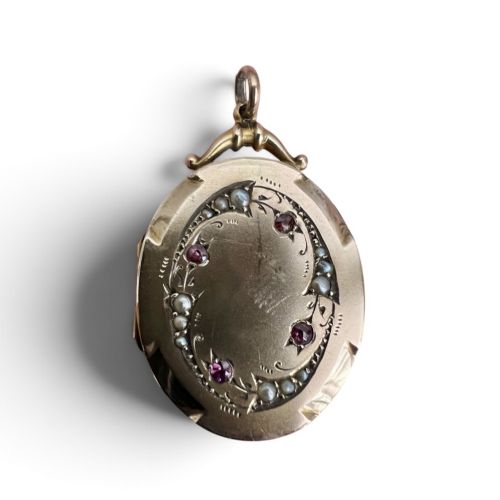
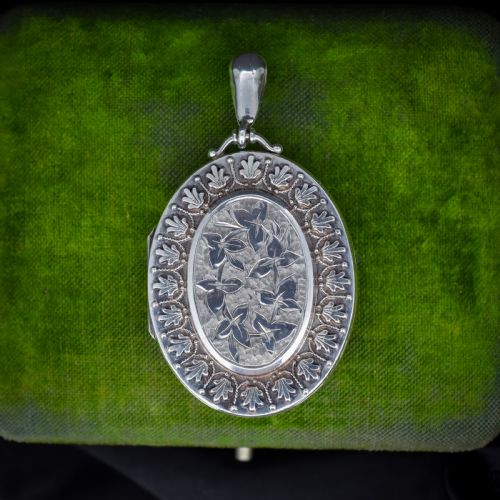
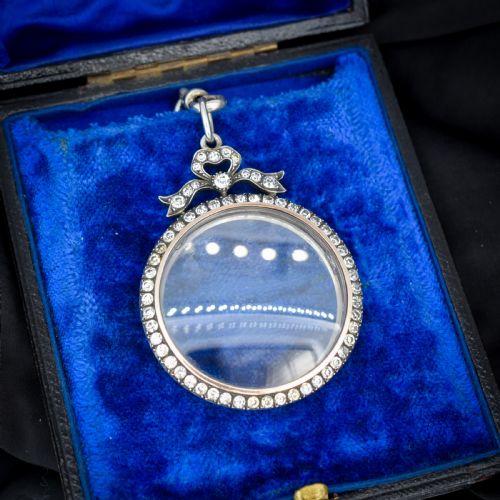
The most common examples you meet on this page date from the Victorian and Edwardian periods, appearing in forms such as lockets, pendants, and watch fob pendants. They range from simple engraved silver ovals to elaborate gold pieces adorned with gems.
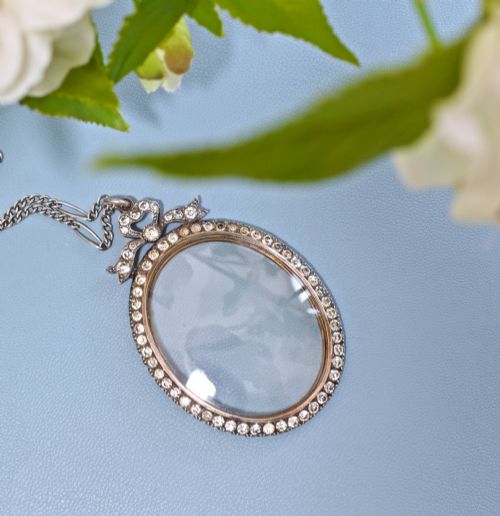
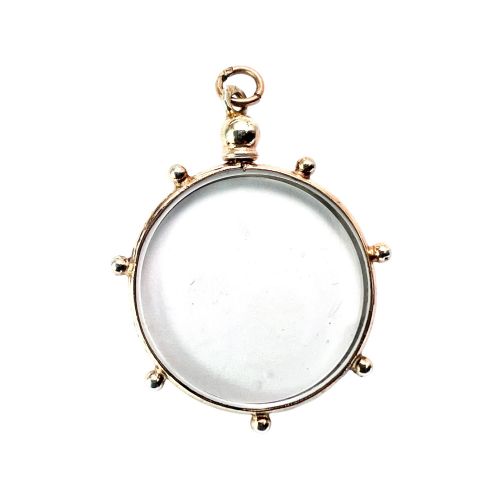
Makers utilised various metals including sterling silver, 9ct gold, and 15ct yellow gold to house these remembrances. You also find specialised variants like glass top screw lockets and shaker bow pendants designed to display loose mementoes.
How they were made
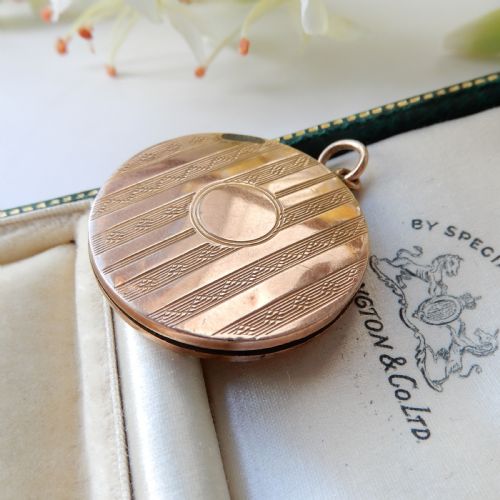
Goldsmiths and silversmiths shaped precious metals using techniques such as hand engraving, engine turning, and repoussé. They constructed hinged compartments, bezels, and glass frames to securely enclose photographs and hair work.
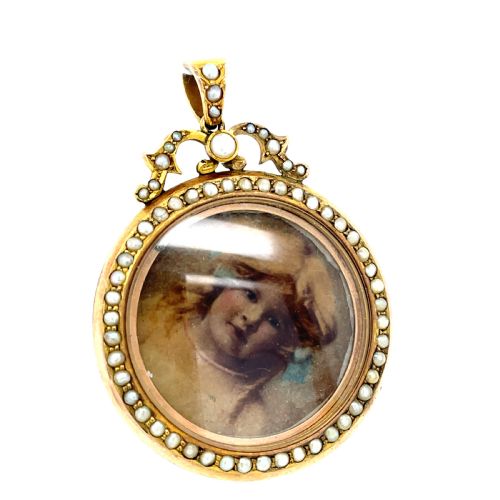
Gemstones including seed pearls, paste stones, rubies, and emeralds were flush-set or bezel-set into gold and silver frames. Artisans also incorporated glass fronts to create shaker effects or to protect delicate interior items.
Antique Memory Locket Retail Price Guide 2026
Typical asking prices for memory locket among the pieces listed under this phrase on Sellingantiques today, from the lower quarter to the upper quarter. They describe what is for sale here now, not the wider market.
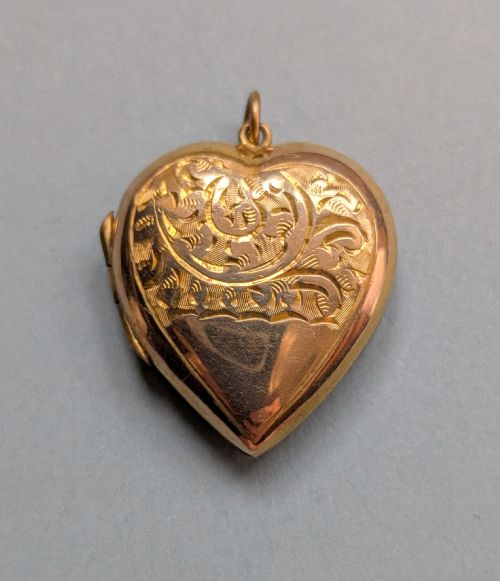
The selection includes varied forms such as watch fobs, bow pendants, and heart-shaped lockets from British and French makers.
What varies in quality
Quality rests upon the weight of the metal, the depth and crispness of the hand engraving, and the structural integrity of the hinges and glass bezels. Superior pieces display precise engine-turned patterns and robust closures that keep the contents secure.
Finer examples incorporate higher carat gold or solid silver rather than gold back and front constructions. The artistic merit of interior hair work and the inclusion of precious gemstones elevate the standing of a piece.
Murrle Bennett·Gallia
The Antique Memory Locket Glossary
- Gold back and front
- A manufacturing method where the exterior plates are made of solid gold while the interior mechanics and lining use a base metal. This provided the appearance and wear resistance of solid gold at a lower weight.
- Mourning locket
- A piece of jewellery created to commemorate a deceased person, frequently featuring compartments for woven human hair or portrait miniatures. These items served as poignant reminders of departed family members.
- Paste
- Hand-cut lead glass used to imitate gemstones in antique jewellery. High-quality paste was carefully faceted and foiled to catch the light effectively.
- Watch fob
- A short pendant or ornament attached to a pocket watch ribbon or chain. Many watch fobs were ingeniously designed to double as opening lockets.
- Engine turning
- A mechanical decoration technique that produces intricate geometric patterns on metal surfaces. Artisans operated specialised lathes to cut precise, repetitive lines into the gold or silver.
Antique Memory Locket: Frequently Asked Questions
What fits inside an antique memory locket?
These pieces traditionally house small paper photographs, painted miniatures, or intricate arrangements of human hair work. Some glass-faced variations allow loose tokens or tiny mementoes to shift inside the compartment.
Owners selected items of immense personal significance to keep concealed against the body. The interior frames and glass covers were engineered specifically to protect these delicate mementoes from daily wear.
How do I date an antique memory locket?
Dating relies upon stylistic markers, hallmarks, and the specific materials utilised in construction. Victorian pieces often feature heavy engraving and mourning motifs, whereas Edwardian examples frequently showcase lighter silver work and paste stones.
Examining the clasp mechanisms, hinge construction, and any accompanying chains or fobs provides further clues to the decade of origin. Hallmarks stamped into the metal can pinpoint the assay office and year of manufacture.
Are these lockets suitable for daily wear?
Many antique lockets remain robust enough for regular wear provided they are handled with care. The condition of the hinge and the security of the clasp determine how safely a piece can be worn on a daily basis.
Glass-fronted and shaker variants require extra caution to prevent impact damage to the delicate internal contents. Removing the jewellery during physical activities helps preserve the historic metalwork and glass components.