




Antique Meiji Cabinet
These antique meiji cabinet examples bring intricate joinery and polished surfaces into rooms, offering traditional storage rooted in nineteenth-century workshops.
Antique Meiji Cabinet
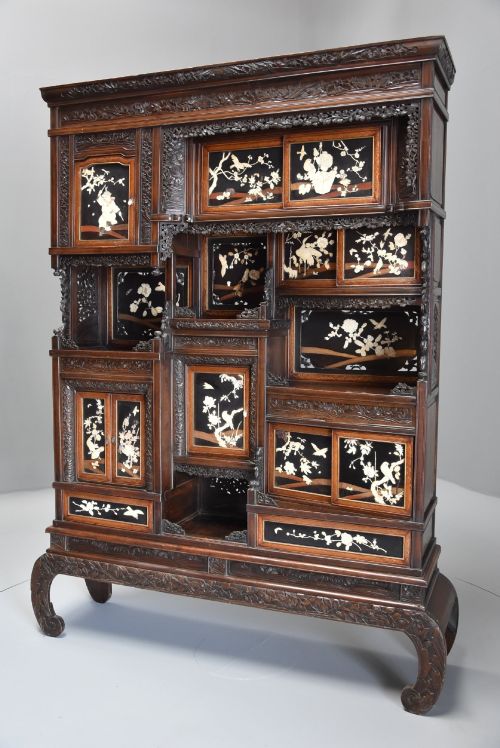
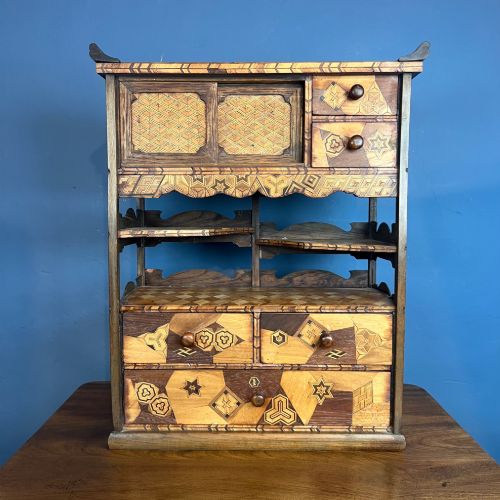
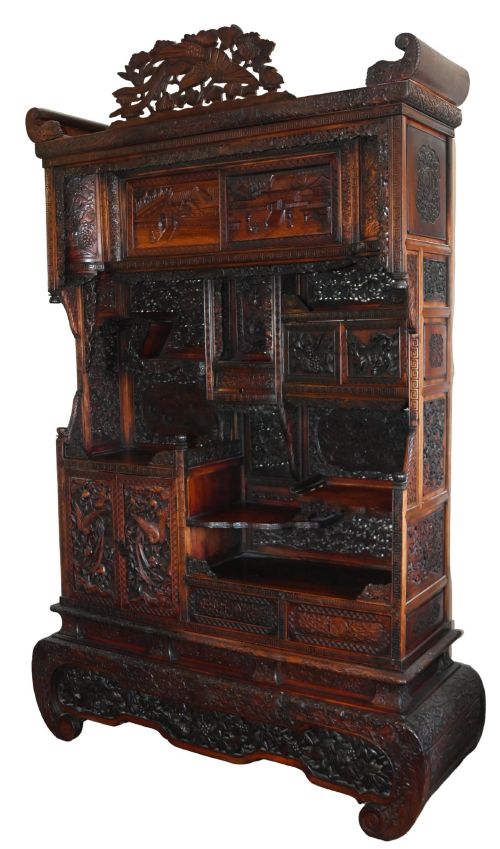
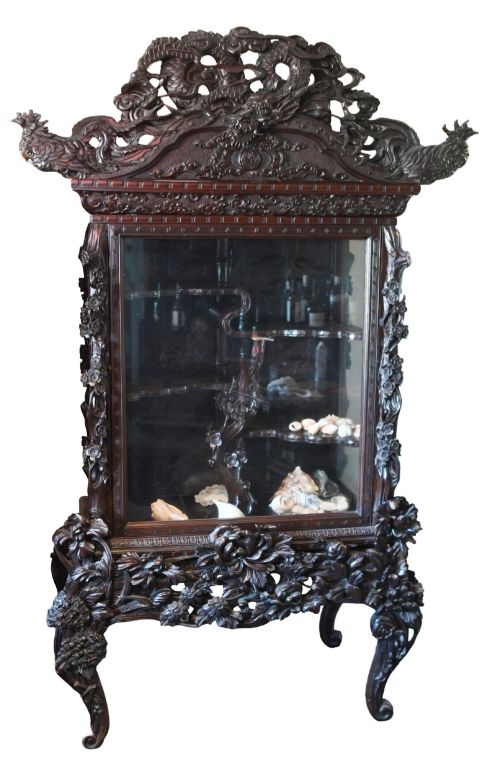
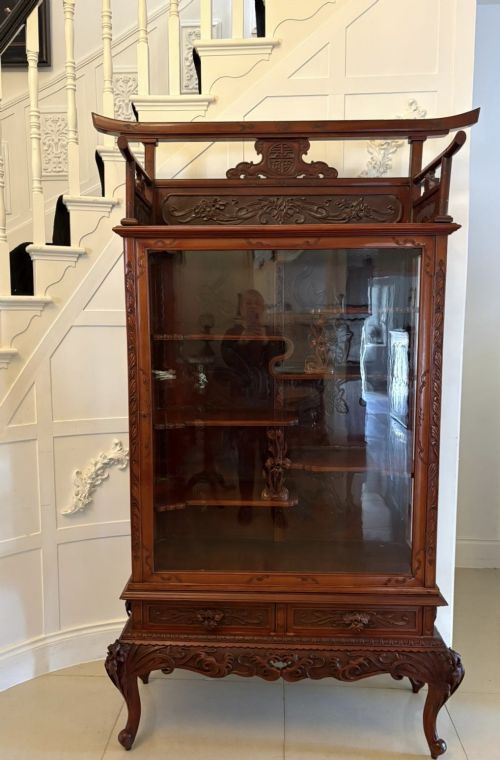
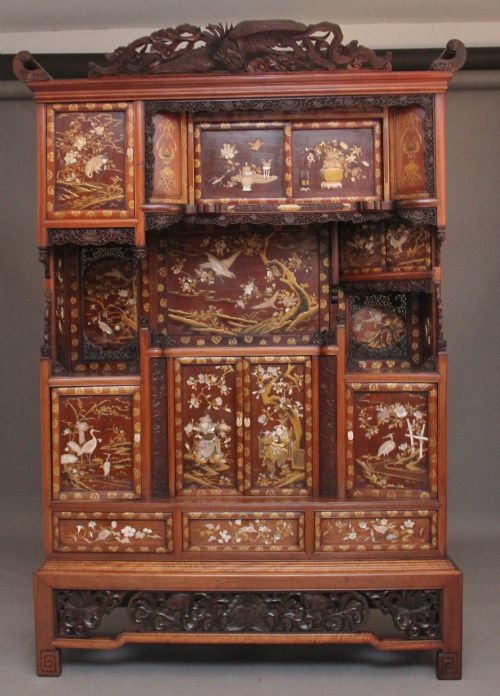
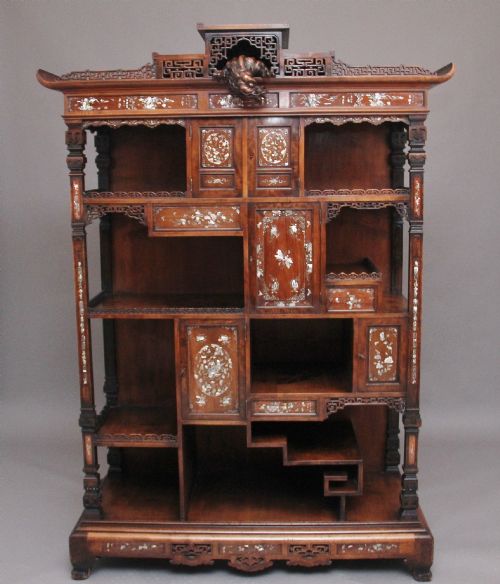
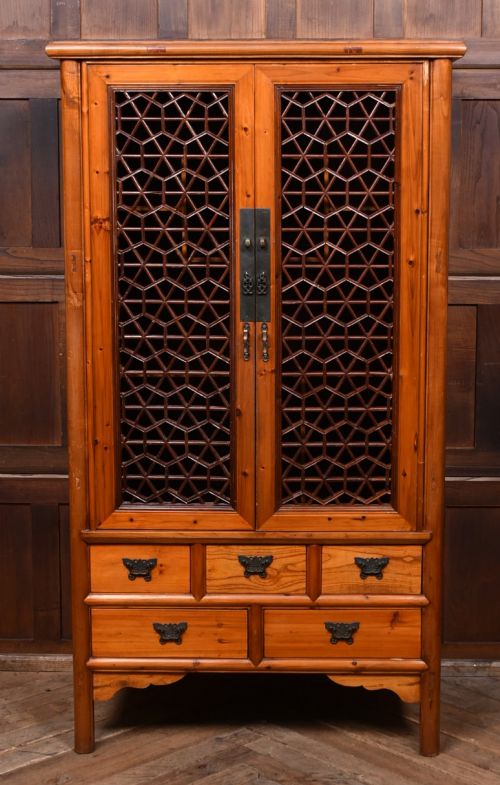
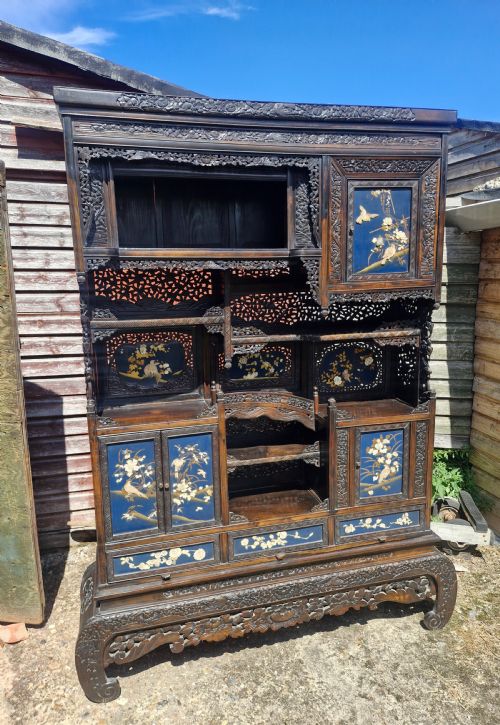
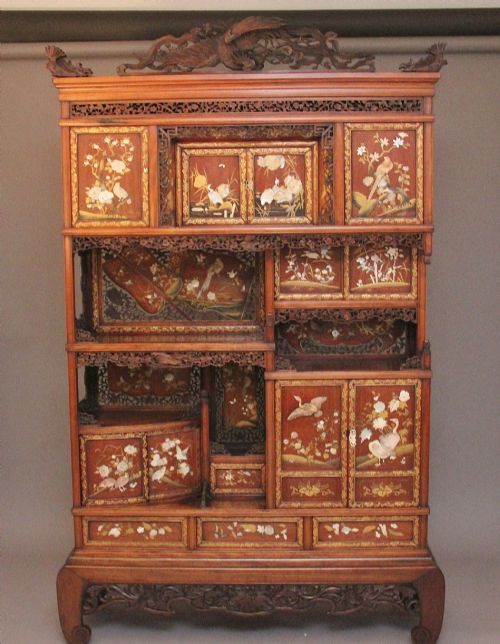
An antique meiji cabinet encompasses pieces designed for display, storage, and utility across the nineteenth and early twentieth centuries. Buyers encounter carved display cabinets, shodana, and smaller table boxes that reflect traditional Japanese craftsmanship.
The selection ranges from large architectural shodana cabinets to low tansu chests and specialised kitchen cupboards. Hardwood structures and lacquered surfaces dominate the forms seen on this page.
Originating during the Meiji period and related nineteenth-century eras, these pieces combine utility with ornamental detail. They serve as focal points in modern interiors while maintaining their historic function.
Materials and construction methods
Wood serves as the primary structural material, utilising dense hardwoods, cedar, and keyaki. Craftsmen employed traditional joinery techniques without relying on metal fasteners to build durable frameworks.
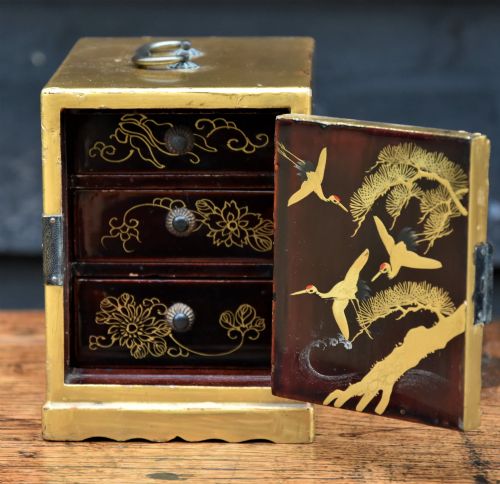
Surfaces receive careful treatment through red and black lacquer applications, sometimes augmented by gold leaf or mother of pearl inlay. Metal fittings in iron provide functional reinforcement and visual contrast to the polished timber.
Antique Meiji Cabinet Retail Price Guide 2026
Typical asking prices for meiji cabinet among the pieces listed under this phrase on Sellingantiques today, from the lower quarter to the upper quarter. They describe what is for sale here now, not the wider market.
Spiders and insects occasionally appear perched upon bronze okimono, ready to startle unsuspecting visitors who examine the shelves too closely.
Assessing craftsmanship and execution
Execution of carved elements and lacquer finish dictates the distinction between standard items and superior examples. Finer pieces demonstrate precision in panel fitting, balanced proportions, and deep relief carving.
The integration of decorative elements, such as inlaid metalwork or delicate shelving alignment, separates utilitarian storage from high-status display furniture. Original surface patination also influences the character of each piece.
Chosei Kyoto·Shuzan for Yasuda
The Antique Meiji Cabinet Glossary
- Shodana
- A type of Japanese display cabinet featuring asymmetric shelving and sliding doors. These cabinets were traditionally used to display art objects and ceramics.
- Tansu
- A traditional Japanese mobile chest or storage cabinet built from wood with iron hardware. They served various domestic functions, from merchant storage to clothing organisation.
- Keyaki
- A species of Japanese elm highly valued for its strength and distinct grain pattern. Cabinet makers utilised this hardwood for durable furniture construction.
- Lacquer
- A protective and decorative coating derived from tree sap, applied in multiple layers. It creates a smooth, glossy surface resistant to moisture.
- Imari
- A style of Japanese porcelain characterised by underglaze blue and iron red paint with gold accents. Plates and chargers in this palette often accompany cabinet displays.
Antique Meiji Cabinet: Frequently Asked Questions
How were tansu chests used?
Tansu chests functioned as mobile storage units for merchants, travellers, and households during the nineteenth century. They organised clothing, documents, and daily goods.
Sturdy iron handles and locks secured the contents during transport and daily domestic use.
Where should I place a cabinet?
These cabinets suit living spaces or studies where their historic woodwork and display surfaces can be appreciated. They function well as standalone storage units.
menjaga stable indoor humidity helps protect the delicate lacquer and hardwood construction from environmental stress.
How do I identify Meiji pieces?
Meiji period pieces date from the late nineteenth to early twentieth century, reflecting traditional craftsmanship combined with opening trade influences. They utilise hardwoods, lacquer, and iron hardware.
Construction methods rely on intricate joinery rather than modern fasteners, marking their period of origin.