

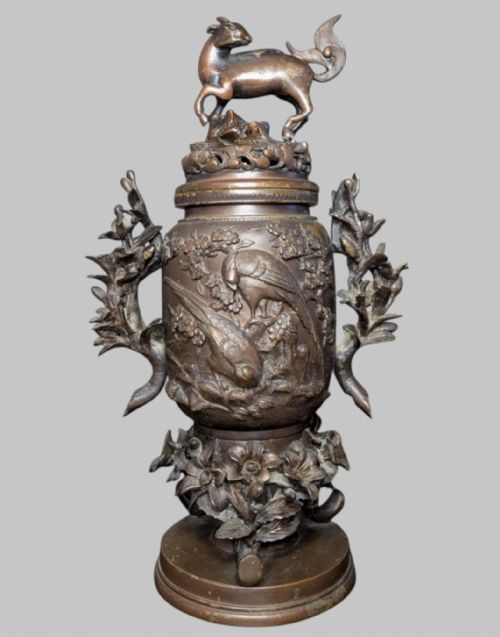


Antique Meiji Animal
These antique meiji animal pieces capture birds, beasts and monkeys with distinct realism, offering collectors tactile bronze casting and fine wood carving.
Antique Meiji Animal
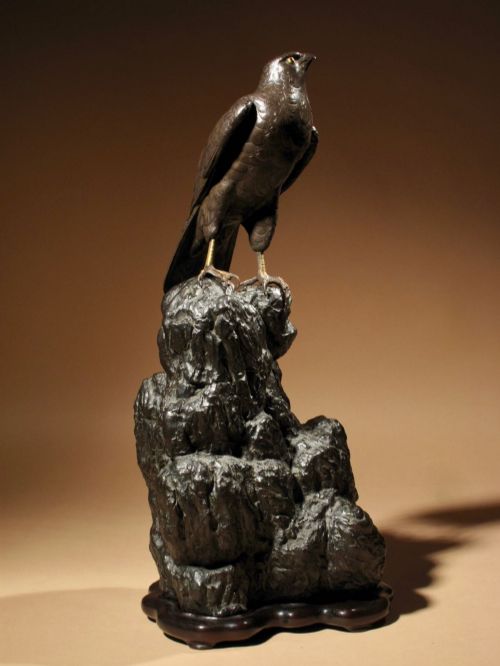
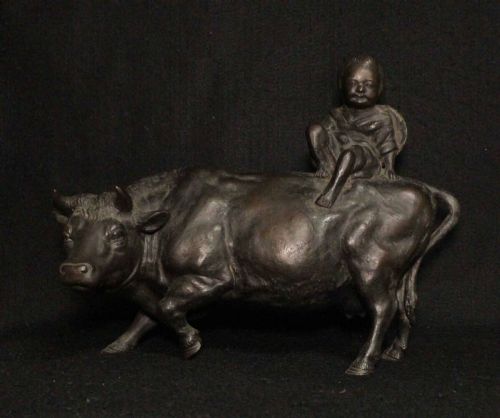
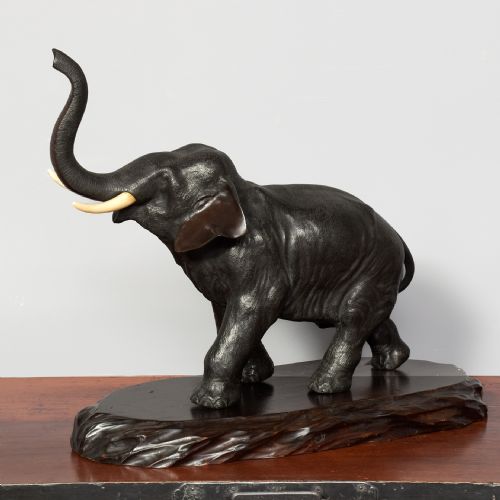
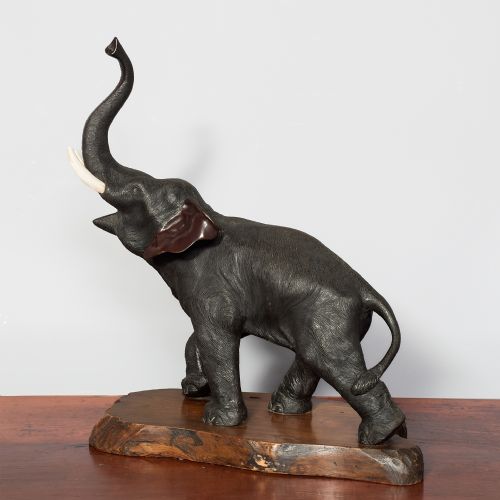
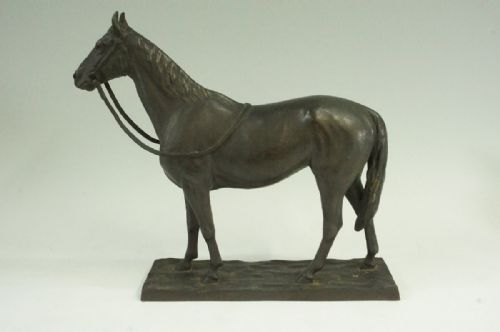
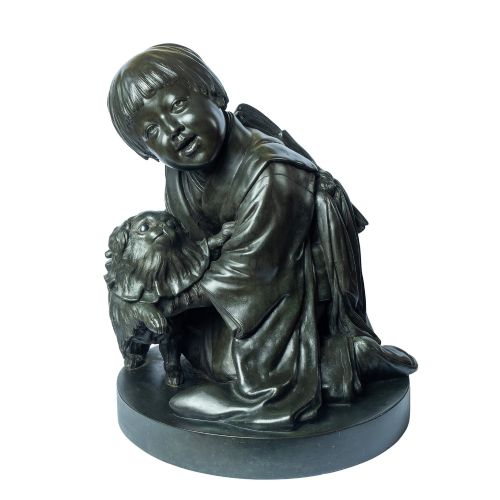
When searching for an antique meiji animal, you encounter sculptures, figurines and okimono depicting subjects from puppies and monkeys to elephants and tigers. These creations emerge principally from the 19th century and the early decades of the 20th century.
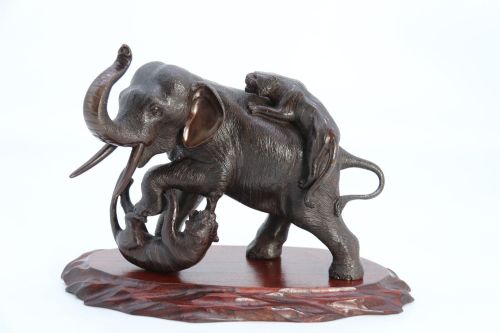
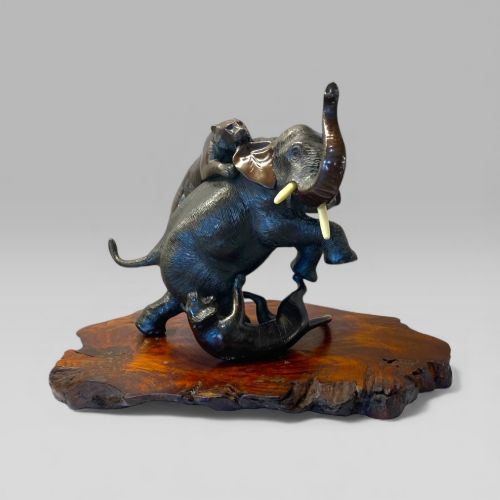
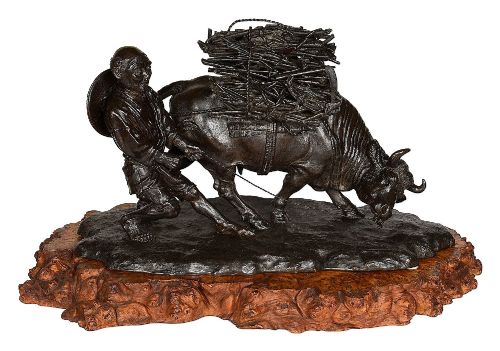
The bronze okimono and carved wood studies dominate the forms available. Sculptures range from small tabletop figures to large statues portraying narrative scenes, such as elephants fighting tigers or a woodsman with a buffalo.
How They Were Made
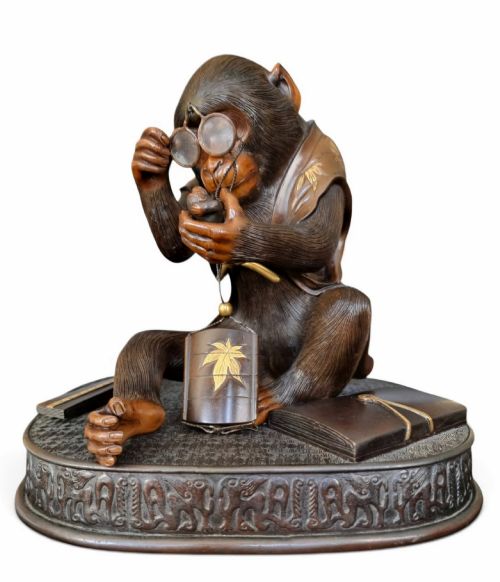
Metal pieces rely on bronze casting, frequently incorporating mixed-metal elements, gold inlay or ivory details. Woodworkers utilise boxwood and various hardwoods to carve intricate netsuke, rodents, frogs and rabbits.
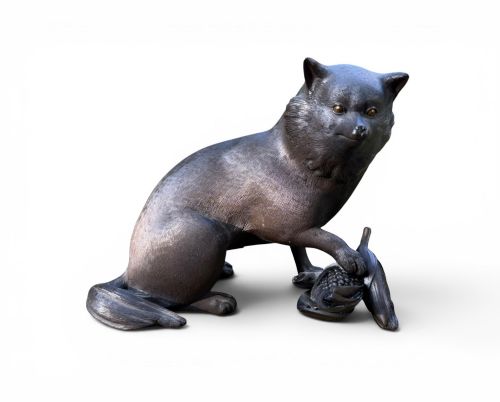
Foundries and individual artists shape these materials to capture realistic textures, from the fur of a wolf or tanuki to the naturalistic base beneath an elephant.
Antique Meiji Animal Retail Price Guide 2026
Typical asking prices for meiji animal among the pieces listed under this phrase on Sellingantiques today, from the lower quarter to the upper quarter. They describe what is for sale here now, not the wider market.
What Varies in Quality
Quality rests on the fidelity of the anatomical modelling and the crispness of the chasing in the bronze or the depth of the carving in the wood. Master metalworkers achieve lifelike musculature and expression that elevate a study far above standard decorative items.
Signed works from notable makers command attention through precise signatures, intricate inlay work and balanced composition across complex multi-figure animal groups.
Kakuha Kanzaemon·Mitsumoto·Masaaki·Kunio Itô·Tsunemitsu·Kaniya Kuniharu·Sakai Kōzan·Seiunsai Miyamoto Sei
The Antique Meiji Animal Glossary
- Okimono
- A Japanese ornamental statue or sculpture designed for display on a shelf or in a tokonoma alcove. These portable objects frequently depict animals, people or mythical subjects.
- Koro
- A Japanese incense burner, often cast in bronze and topped with an animal finial. Such vessels combine utilitarian function with sculptural artistry.
- Netsuke
- A small carved toggle secured to the end of a cord hanging from a kimono sash. Makers carve these miniature items from wood, bone or ivory.
- Mixed-metal
- An alloy technique combining metals such as bronze, copper and brass to create contrasting colours and surface highlights. This method appears on elaborate scholar pieces.
Antique Meiji Animal: Frequently Asked Questions
What is a bronze okimono?
An okimono is a freestanding Japanese sculpture made for indoor display rather than ritual use. Bronze versions portray subjects like elephants, tigers and monkeys with high detail.
These pieces sit on tables or cabinets as decorative ornaments, reflecting the naturalistic shift in Japanese art during the late 19th century.
How do I identify a Meiji animal sculpture?
Look for dynamic animal postures, realistic anatomical details and materials such as patinated bronze, boxwood or hardwood. Many items date from the late 19th or early 20th century.
Signatures or seals on the underside or base often indicate the foundry or artist responsible for the casting or carving.
Were these animals meant to be incense burners?
Some metal animal forms function as incense burners, known as koro, where the creature's head lifts off to reveal a bowl for burning aromatics. These combine sculptural realism with practical utility.
Most animal subjects, however, remain solid sculptures or okimono created solely for visual appreciation.
What materials appear in these carvings?
Woodcarvers utilise boxwood and various hardwoods to produce detailed netsuke and animal studies of frogs, rodents and rabbits. Metalworkers favour bronze, frequently adding gold inlay or ivory tusks.
Porcelain figures also emerge from kilns such as Mikawachi, depicting horses and dogs in traditional glazes.