





Antique Medical Specimen
An antique medical specimen brings the clinical history of the nineteenth century directly into a room, offering bone, wax, and wood with genuine academic weight.
Antique Medical Specimen
An antique medical specimen encompasses tangible relics of past clinical practice, education, and scientific research. Buyers searching for an antique medical specimen typically encounter items spanning the nineteenth century, including the Victorian period and the year nineteen twenty.
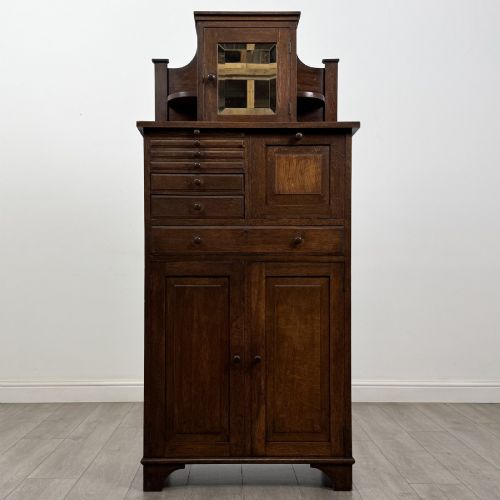
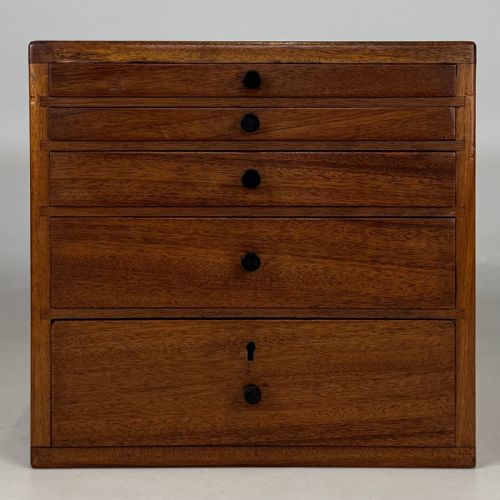
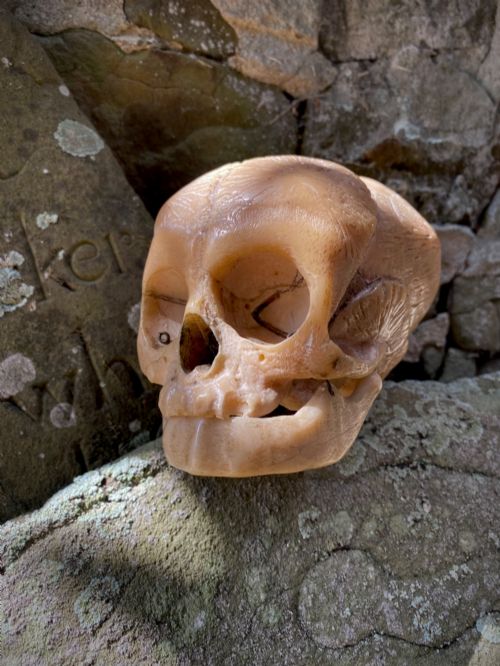
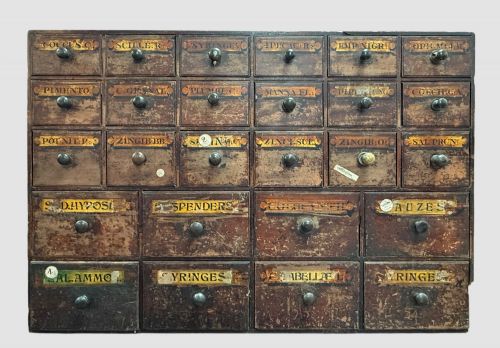
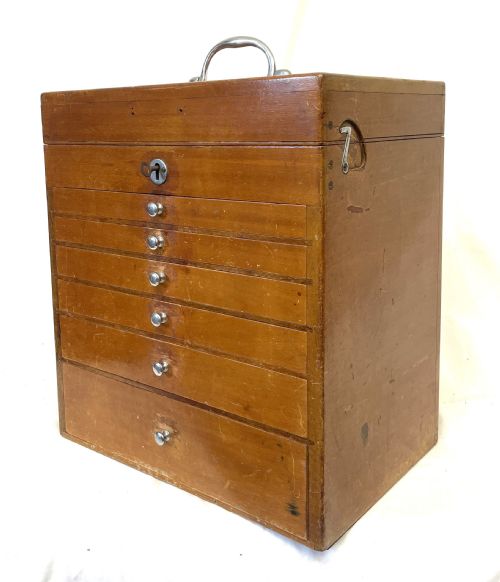
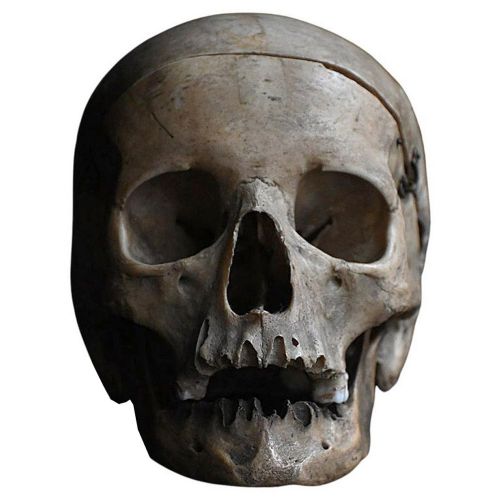
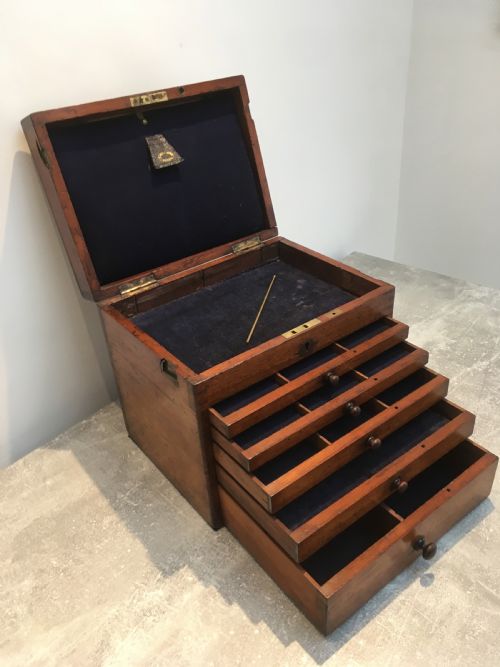
The selection on this page ranges from human skeletal remains and life-size wax anatomical heads to specialised storage furnishings. These forms include apothecary chests of drawers, dentist cabinets, and instrument cases made to house professional equipment.
Originating predominantly from British and European medical contexts, these pieces reflect the rigorous educational needs of doctors and dentists of the era. Collectors select them for their striking visual honesty and their connection to the history of science.
Materials and construction
Makers utilised dense timbers such as mahogany, burr walnut, oak, and pine to construct robust storage furniture and instrument cases. These woods were joined with tight tolerances to protect delicate contents from environmental damage during transport and daily surgery use.
Metals like brass appear frequently for handles, hinges, and internal fittings, while bone and wax form the substance of anatomical models and specimens. Artisans combined these disparate materials with meticulous hand-finishing, matching functional utility with dignified craftsmanship.
Antique Medical Specimen Retail Price Guide 2026
Typical asking prices for medical specimen among the pieces listed under this phrase on Sellingantiques today, from the lower quarter to the upper quarter. They describe what is for sale here now, not the wider market.
Cabinet construction relies on timber species including mahogany, pine, oak, and burr walnut, accented with brass and bone.
Evaluating the range
Quality in these items rests upon the integrity of the materials and the complexity of the internal arrangement. Simpler carrying chests present straightforward utilitarian construction, whereas larger dental cabinets display finely figured burr walnut veneers and bespoke drawer configurations.
The preservation of delicate components, such as original brass hardware or untouched wax surfaces, dictates the standing of a piece. Finer examples maintain their original fitted interiors, offering clear evidence of the professional standards demanded by nineteenth-century practitioners.
The Antique Medical Specimen Glossary
- Apothecary chest
- A small multi-drawer cabinet designed to hold medicinal preparations and ingredients. These items usually feature numerous small compartments for vials and powders.
- Anatomical model
- A three-dimensional representation of human anatomy utilised for medical instruction. Materials such as wax or bone give these objects realistic form and tactile presence.
- Burr walnut
- A highly figured timber veneer harvested from walnut tree growths. Cabinet makers prized this wood for its swirling grain patterns on luxury medical furniture.
- Instrument case
- A fitted wooden box built to contain surgical or dental tools securely. Lined interiors and custom brackets hold each specific instrument in place.
Antique Medical Specimen: Frequently Asked Questions
What materials make up these medical specimens?
The objects listed incorporate organic and inorganic materials reflecting their clinical origins. Bone, wax, and human skeletal elements appear alongside hardwoods like mahogany, pine, and burr walnut.
Brass fittings and general metal components provide structural support and secure closures. Each material served a strictly functional purpose in storage, study, or demonstration.
How do I date a medical cabinet?
Dating relies on timber selection, construction methods, and hardware styles. Nineteenth-century examples often feature solid mahogany or burr walnut with hand-cut dovetails and heavy brass handles.
Later pieces from the nineteen twenties shift towards industrial utility forms and different internal layouts. Examining the drawer construction helps establish the period of manufacture.
Were these pieces used by dentists?
Several items directly served dental practitioners for storing tools, pharmaceuticals, and equipment. Cabinets featuring multiple shallow drawers provided organised access during operations.
Specialist instrument cases also protected delicate dental tools during transport. These furnishings formed an essential part of nineteenth-century clinical practices.
How do I display a medical cabinet?
These cabinets suit studies, libraries, and living spaces as statement furniture pieces. Their rich timber surfaces pair well with neutral backgrounds that highlight the grain and brass hardware.
Tabletop cabinets fit easily onto desks or sideboards for secure display of smaller curiosities. Keeping them away from direct sunlight protects the timber and veneer finishes.