





Antique Medical Display
These antique medical display pieces offer a tangible link to clinical history, bringing fitted cabinets and apothecary jars into modern interiors.
Antique Medical Display
When searching for antique medical display, buyers encounter a diverse range of items spanning the eighteenth, nineteenth and twentieth centuries. These objects include wall-mounted cabinets, opticians' kits, apothecary jars and anatomical models originating from various periods such as Victorian, Edwardian and the 1940s.
Materials and Construction
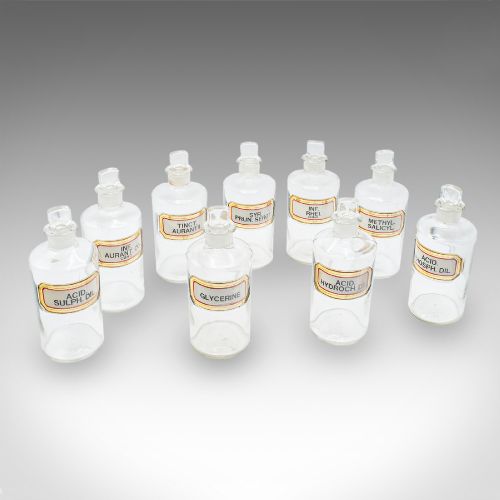
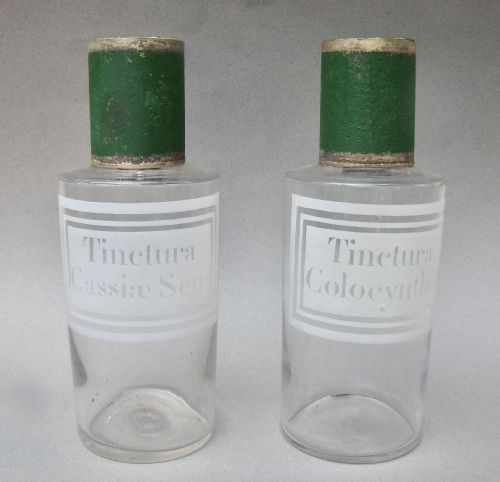
Makers utilised timber such as mahogany and oak alongside structural metal and steel to build sturdy cabinets and instrument cases. Glass appears extensively in blown apothecary jars, carboys and delicate lens kits.
Ceramic pieces utilise tin glaze and Delft techniques, while anatomical models employ plaster and plastics. Paint finishes and polished wood surfaces provide the protective and decorative outer layers seen across these items.
Antique Medical Display Retail Price Guide 2026
Typical asking prices for medical display among the pieces listed under this phrase on Sellingantiques today, from the lower quarter to the upper quarter. They describe what is for sale here now, not the wider market.
Listings feature items spanning four centuries, from 18th-century Delft jars to 1940s dentists samples and plastic anatomical models.
Factors of Quality
The standard of an antique medical display piece depends on the preservation of its original components, such as intact glass lenses within an optician kit or matching covers on apothecary jars. Intricate etchings on glass and the refined joinery of polished wood boxes distinguish finer examples.
Durability of materials also dictates overall caliber, with solid mahogany and robust brass fittings outlasting simpler constructions. The clarity of painted labels on ceramic jars and the precision in anatomical models further separate standard items from superior specimens.
Educational Scientific Plastics Ltd
The Antique Medical Display Glossary
- Apothecary jar
- A vessel used to store medicines and ingredients in a chemist shop or dispensary. These containers often feature hand-painted labels or etched glass.
- Carboy
- A large, bulbous glass vessel employed for holding liquids in bulk within a laboratory or apothecary setting. They usually include a wide base and a narrow neck.
- Optician cabinet
- A specialised piece of furniture fitted with shallow drawers designed to organise test lenses and optical instruments. They are typically constructed from oak or mahogany.
- Tin glaze
- An opaque white pottery glaze containing tin oxide, commonly applied to eighteenth-century earthenware jars. It provides a smooth surface suitable for painted pharmaceutical inscriptions.
- Electro therapy device
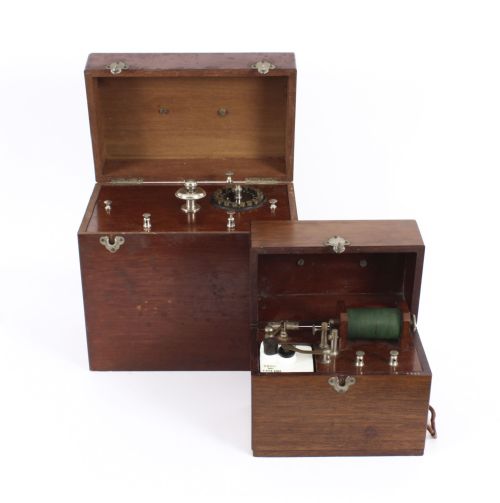
- A nineteenth or early twentieth-century apparatus utilised in early electrical treatments. These instruments often incorporate brass components housed in polished wooden boxes.
Antique Medical Display: Frequently Asked Questions
What are antique medical display cabinets made from?
These cabinets are constructed from various timbers including oak and mahogany, alongside painted metal and steel. Glass doors and shelving are frequently incorporated to showcase the contents.
Internal fittings often combine brass hardware with wooden dividers designed specifically to secure delicate instruments or glass bottles.
How were apothecary jars used?
Chemists and apothecaries utilised these glass and ceramic vessels to store dried herbs, powders, liquids and compound medicines. Their distinct labels ensured rapid identification in a busy dispensary.
Larger jars and carboys held bulk supplies on shop shelves, while smaller covered vessels sat on counters for daily dispensing.
How do I date an opticians cabinet?
Dating relies on examining the timber, construction methods and the style of the hardware. Edwardian and Victorian examples often feature hand-cut dovetails and specific brass pulls.
The accompanying test glasses and lens kits inside the cabinet drawers also provide clear chronological markers through their materials and typography.
Where can I place anatomical models at home?
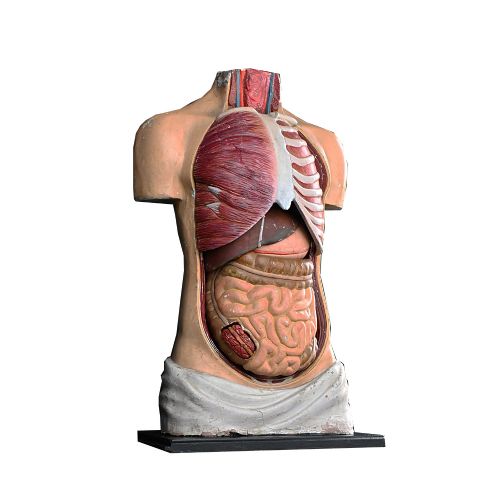
Anatomical models and teaching torsos suit studies, hallways or living spaces with industrial or academic interior themes. Their sculptural forms function well as standalone display objects on tables or shelves.
Plaster and plastic figures benefit from stable indoor environments away from direct sunlight to preserve their painted finishes.