





Antique Measuring Scales
Antique measuring scales are functional instruments of brass and mahogany that bring precision and industrial character to modern interiors.
Antique Measuring Scales
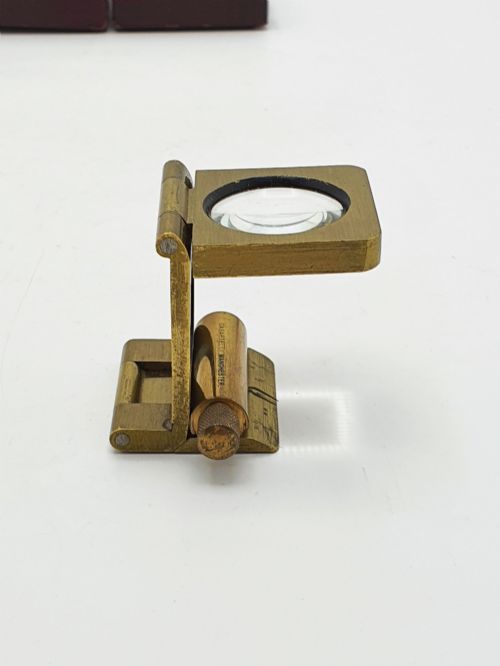
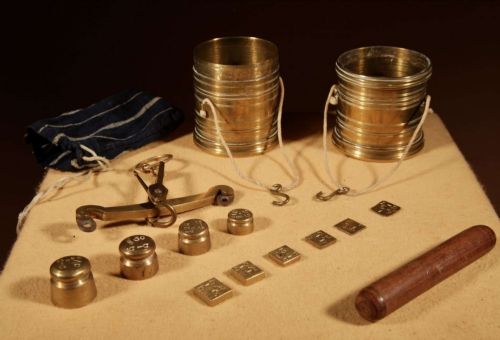
When you search for antique measuring scales, you encounter a specialised selection of domestic, commercial, and scientific instruments. The listings encompass balance scales, beam scales, doctors scales, and linen testers alongside comprehensive sets of imperial, troy, and avoirdupois standard weights. These objects reflect a period when precise measurement governed trade, science, and municipal inspection.
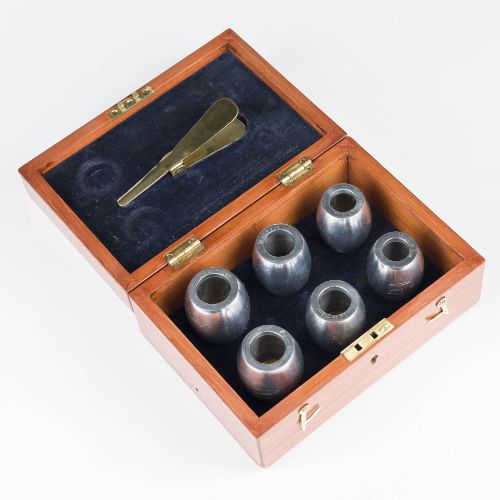
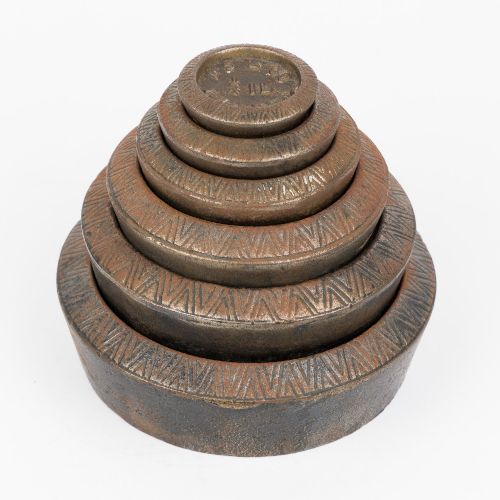
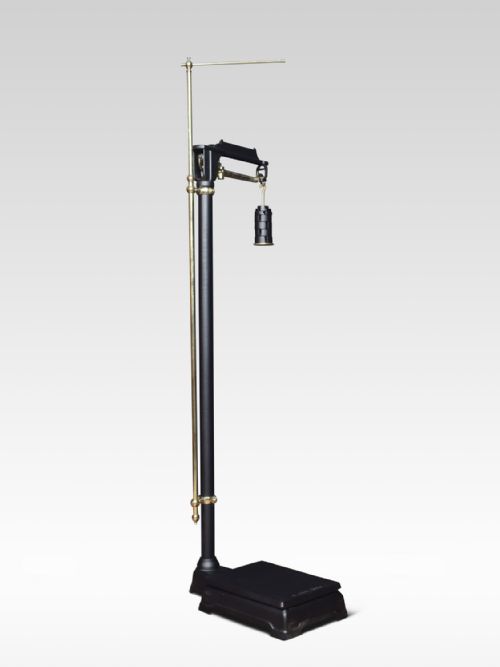
The versions most frequently met on this page originate from the Victorian and Edwardian eras, spanning the nineteenth and early twentieth centuries. You will find brass bushel balances, mahogany-cased chondrometers, and heavy cast iron verification scales. Many retain their original fitted boxes, wooden bases, and stamped local authority markings.
Origin and provenance heavily shape the character of these pieces, with makers ranging from London instrument houses to regional British authorities. Objects like egg graders and linen testers demonstrate the diverse applications of scales beyond simple retail use. Each piece survives as a tactile record of historical metrology and industrial design.
How they were made
The construction of these scales relies heavily on turned brass and polished mahogany, combined with cast iron for heavy-duty commercial and verification bases. Metal components are frequently cast, machined, and hand-finished to ensure exact balance and movement. Wooden cases are typically dovetailed and fitted with velvet or textile linings to protect delicate weights and beams.
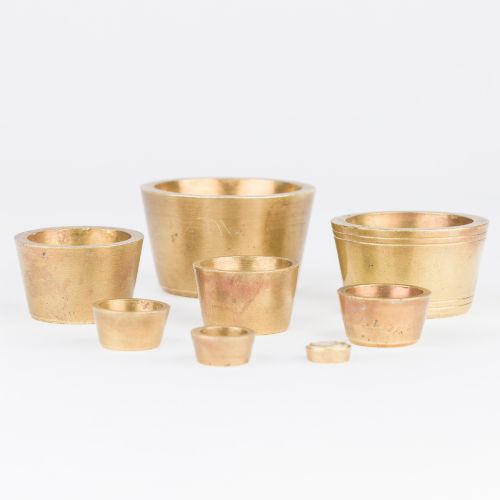
Standard weights are cast from solid brass, often finished with adjustment cavities filled with lead to achieve precise calibration. Inscriptions, maker details, and municipal verification stamps are hand-punched or engraved directly into the metal surfaces. These traditional manufacturing methods ensured long-term durability under rigorous daily use by inspectors and merchants.
Antique Measuring Scales Retail Price Guide 2026
Typical asking prices for measuring scales among the pieces listed under this phrase on Sellingantiques today, from the lower quarter to the upper quarter. They describe what is for sale here now, not the wider market.
Listings feature brass, mahogany, and cast iron across Victorian, Edwardian, and mid-twentieth-century periods.
What varies in quality
Quality in antique measuring scales is dictated by the precision of engineering and the completeness of the set. Finer pieces exhibit crisp maker signatures, smooth beam action, and original fitted cabinetry with intact textile linings. Institutional provenance, such as municipal standards for major cities, elevates the historical significance of an instrument.
The survival of matching weight sets within their original fitted boxes distinguishes exceptional examples from pieced-together assemblies. Superior casting and careful finishing of the brass components reflect the standards of top-tier scientific makers. Conversely, heavy wear to pivot points and mismatched weights alter the integrity of the apparatus.
De Grave Short And Co·W And T Avery·Casartelli Manchester·Fairbanks Scale Co
The Antique Measuring Scales Glossary
- Balance scale
- An instrument for determining weight by comparing an unknown mass against known standards using a pivoting beam. This traditional design forms the basis of most nineteenth-century weighing apparatus.
- Chondrometer
- A specialised scientific instrument used to determine the weight and quality of grain. These devices are typically housed in fitted mahogany cases with delicate internal mechanisms.
- Troy ounce
- A system of units of mass traditionally used for precious metals and gemstones. Sets of troy weights are frequently encountered in fine brass box sets.
- Avoirdupois
- The standard system of weights based on a pound of sixteen ounces used for general commerce. Standard weights under this system were routinely inspected and stamped by local authorities.
- Bushel balance
- A specific scale configuration designed for measuring volume and weight in agricultural trade. Dutch examples often feature elaborate brass work and sturdy wooden mounts.
Antique Measuring Scales: Frequently Asked Questions
What are antique measuring scales made of?
These instruments are constructed primarily from cast brass, polished mahogany, and heavy cast iron. Internal components and beams utilise high-grade metals designed to maintain structural rigidity under constant tension.
Fitted storage boxes often incorporate velvet or textile linings to cushion delicate weights and sensitive measuring glass. This combination of durable hardwoods and non-corrosive metals ensured longevity in commercial and laboratory environments.
How were beam scales used historically?
Beam scales served as the primary mechanism for trade, scientific research, and municipal quality control. Operators suspended items from one pan and balanced them against known standard weights placed on the opposite side.
Government inspectors utilised heavy verification scales to test commercial weights across boroughs and counties. Apothecaries, doctors, and merchants relied on these precise instruments for daily transactions and formulations.
How do I date antique scales?
Dating relies heavily on engraved maker signatures, patent dates, and official municipal verification stamps. Surviving paperwork, fitted mahogany cases, and distinct stylistic shifts in Victorian and Edwardian manufacturing offer further chronological clues.
Changes in regulatory standards and royal cyphers stamped onto weights help narrow the period of production. Comparing construction techniques against documented workshop timelines provides a reliable estimate of age.
How should I display scales at home?
These sculptural objects suit placement on sideboards, desks, or open shelving where their mechanical forms can be appreciated. Keeping them away from direct sunlight and excessive moisture protects vulnerable mahogany finishes and textile linings.
Leaving complete weight sets arranged beside the balance creates an engaging display that highlights their historical utility. Allowing adequate space around large scientific instruments lets the intricate brass work become a focal point.