




Antique Marquetry Caddy
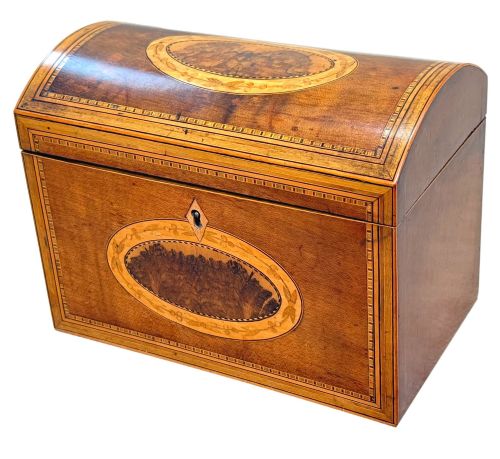
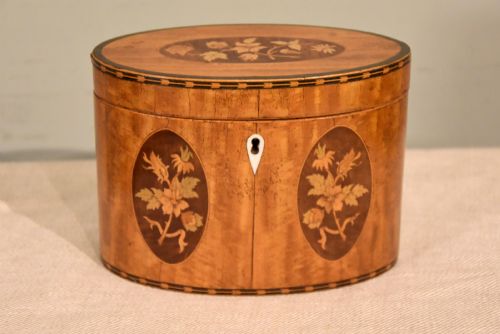
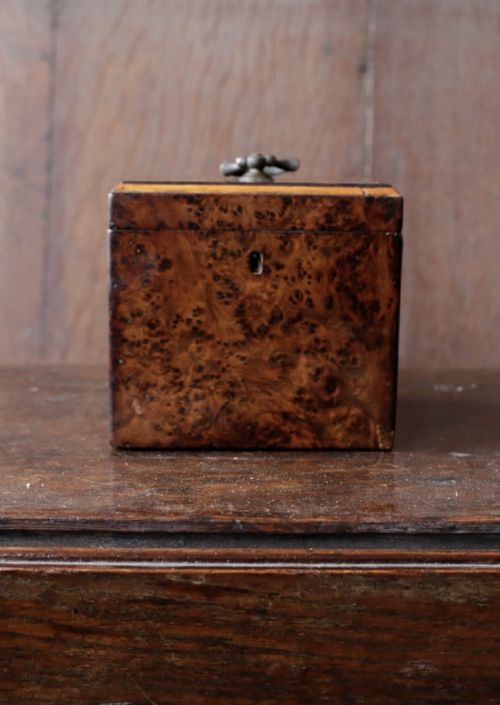
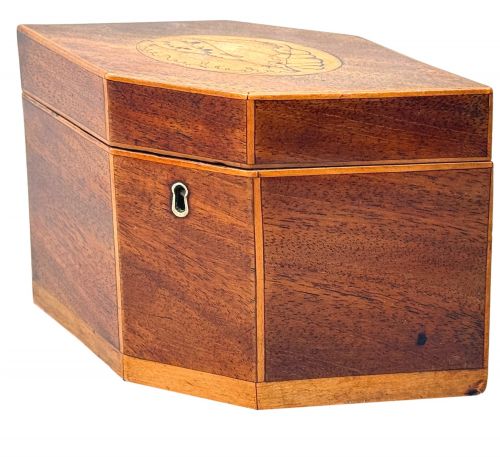
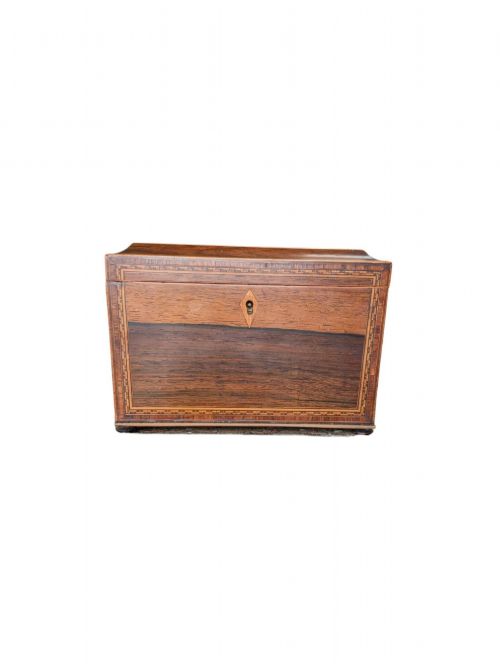
An antique marquetry caddy is a small wooden chest for storing dried tea leaves, lifted by precision wood inlay and decorative veneers.
Antique Marquetry Caddy
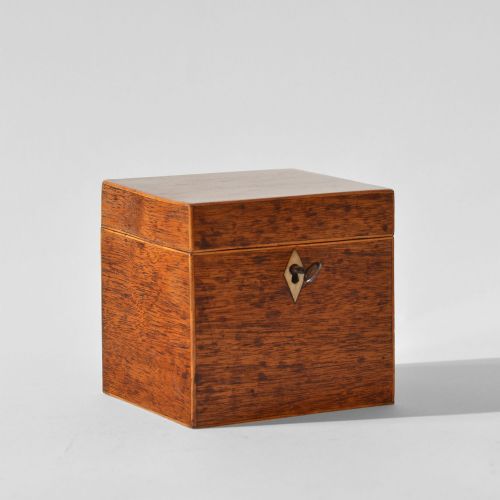
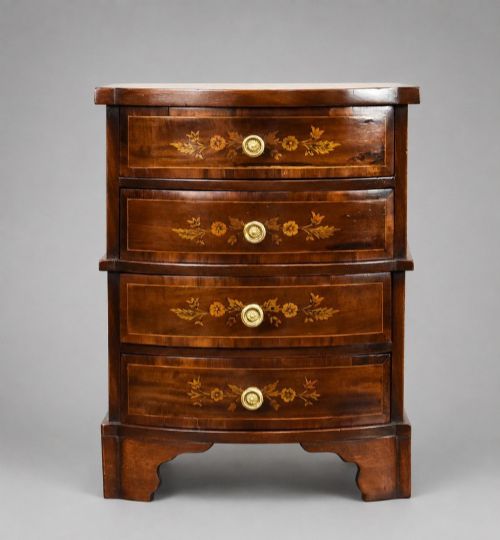
When buyers search for an antique marquetry caddy, they encounter small storage chests constructed across several periods including the 18th Century, Georgian, Regency, and Victorian eras. The listings show forms ranging from standard tea caddies to hexagonal shapes, sarcophagus profiles, and teapoys, alongside occasional boxes and other decorative objects. Satinwood, rosewood, mahogany, and walnut provide the primary foundations for these decorated vessels.
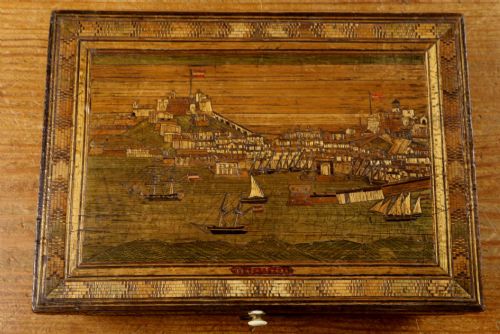
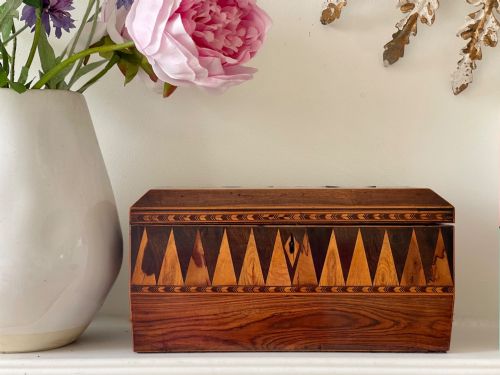
The decorative surfaces rely on patterned woodwork, wood inlay, and specific styles such as Tunbridge Ware and boulle work. Many examples incorporate intricate geometric or pictorial motifs, including butterfly and star designs, executed through contrasting timbers. These pieces reflect the high status of tea as a precious commodity in domestic interiors.
How they were made
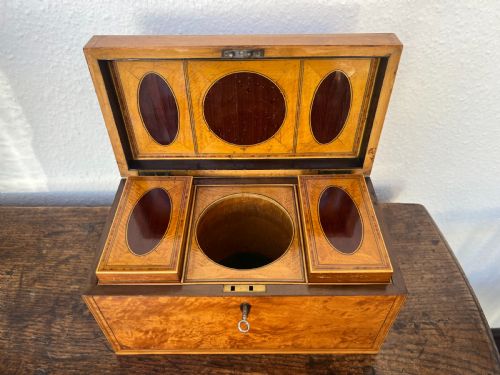
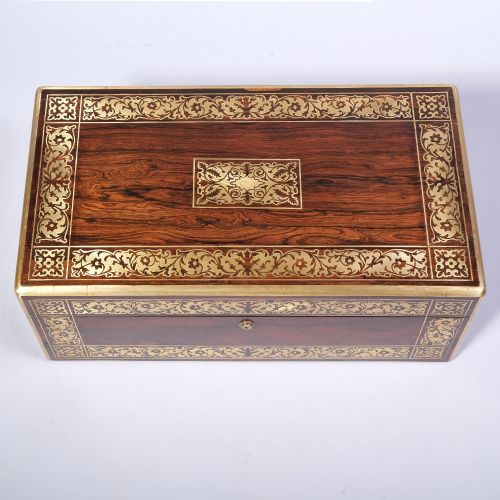
Cabinetmakers constructed the carcases using dense timbers such as mahogany, rosewood, walnut, and satinwood, often applying thin veneers to the exterior surfaces. To create the decorative imagery, artisans utilised contrasting woods like boxwood and harewood, cutting precise pieces to form pictorial or geometric patterns. Brass inlay and shell elements occasionally augmented the wooden designs, while fitted interiors utilised smaller compartments to separate tea varieties.
Specialised techniques defined specific regional outputs, such as the micro-mosaic wood blocks used in Tunbridge Ware or the tortoiseshell and brass combinations found in boulle work. Carpenters joined the box walls using dovetail or mitred joints to ensure stability against warping. French polishing or wax finishes protected the timber surfaces while accentuating the natural grain and the varied tones of the inlay.
Antique Marquetry Caddy Retail Price Guide 2026
Typical asking prices for marquetry caddy among the pieces listed under this phrase on Sellingantiques today, from the lower quarter to the upper quarter. They describe what is for sale here now, not the wider market.
Tea was once so valuable that keys to these caddies stayed around the master's neck.
What varies in quality
The precision and complexity of the wood inlay largely dictate the standing of an antique marquetry caddy within its category. Finely detailed pictorial motifs or intricate geometric micro-mosaics require superior craftsmanship compared to simpler shell or stringing inlays. The choice of base timber also influences the grade, with burr yew, partridge wood, and figured satinwood commanding particular attention.
Internal organisation and hardware completeness further separate standard examples from finer works. Original fitted canisters, functioning locks with matching keys, and intact secondary compartments preserve the integrity of the piece. The crispness of the exterior joinery and the harmonious ageing of the contrasting veneers indicate the original maker's skill.
Henry Hollamby
The Antique Marquetry Caddy Glossary
- Marquetry
- Decorative wood veneer applied to a carcase in intricate patterns or pictures. This technique uses contrasting timber species to create pictorial or geometric designs on the exterior surfaces.
- Tunbridge Ware
- Woodworking style characterised by minuscule mosaic tiles assembled to form pictorial motifs. Originating in Kent, this technique created detailed geometric and floral scenes on small boxes.
- Teapoy
- A small stand or table designed to support a tea caddy. These elevated pieces often featured pillar supports and internal compartments for storing multiple tea varieties.
- Boulle
- Elaborate marquetry style combining tortoiseshell and brass. This technique was popular in French-influenced decorative objects and furniture during the nineteenth century.
Antique Marquetry Caddy: Frequently Asked Questions
What were antique marquetry caddies used for?
These boxes served to store high-value loose tea leaves under lock and key. The secure storage protected expensive imported tea from dampness and domestic theft.
Fitted interiors often included internal canisters and a central mixing bowl for combining different tea grades. Wealthy households displayed these containers in reception rooms as status symbols.
How do I date an antique marquetry caddy?
Dating relies on examining the timber species, construction methods, and prevailing stylistic influences. Georgian examples often feature satinwood and shell motifs, while Victorian pieces frequently incorporate Tunbridge Ware or bolder burr walnut veneers.
Internal hardware, such as handmade brass hinges and locks, provides additional clues regarding the period of manufacture. Secondary woods used inside the box also help narrow down the decade.
How should I care for my caddy?
Keep the wood away from direct sunlight and extreme temperature fluctuations to prevent the delicate veneers from lifting. Maintaining stable indoor humidity protects both the timber carcase and the intricate inlay work.
Apply a microcrystalline wax sparingly to nourish the surface without building up excessive residue. Avoid using liquid cleaners or household polishes that might damage historic finishes.
Are original keys common with these boxes?
Original keys remain uncommon because small brass keys were easily lost over generations of use. Many surviving boxes retain working locks even when the original key has been replaced.
A functioning lock adds historical completeness, though many collectors acquire boxes simply for their decorative veneer work and fitted interiors.