



Antique Marquetry Bed
An antique marquetry bed brings complex wood inlay and period craftsmanship directly into the bedroom, offering distinct historic character.
Antique Marquetry Bed
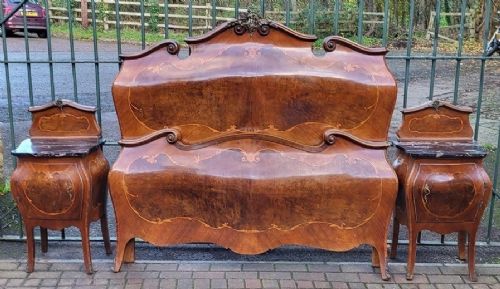
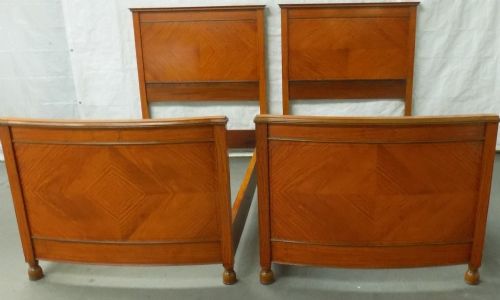
An antique marquetry bed encompasses single, double, king size, and larger bedstead formats alongside related bedroom furnishings like nightstands and end-of-bed sofas. These pieces emerge from periods spanning the seventeenth century through to the Edwardian era, Art Deco, and 1930s designs.
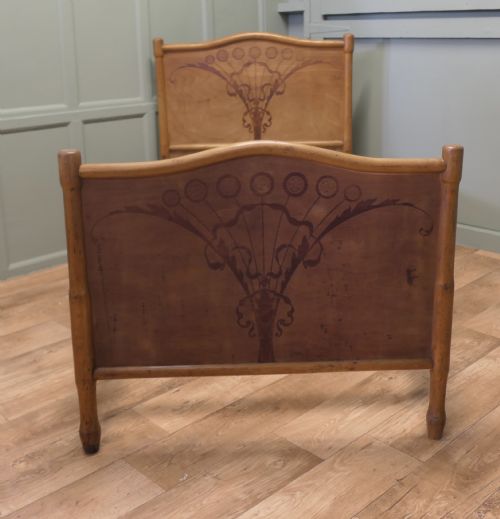
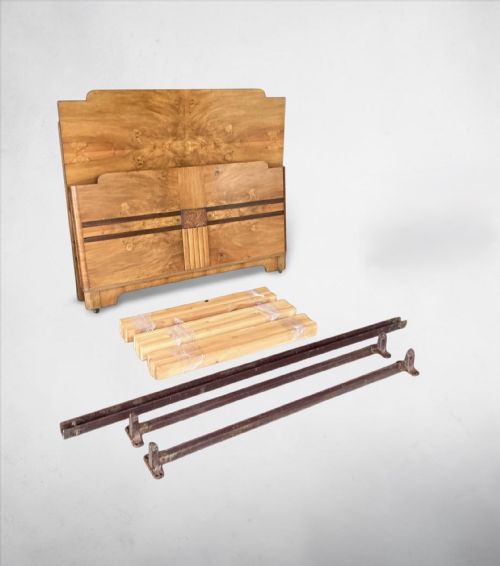
The versions most commonly met here include Edwardian inlaid satinwood and mahogany bedsteads, French Art Deco walnut frames, and seventeenth-century oak pieces incorporating wood inlay. Makers and designers utilised varied styles such as Vienna Secession, Italian Rococo, and French Louis XVI revival to shape these sleeping quarters.
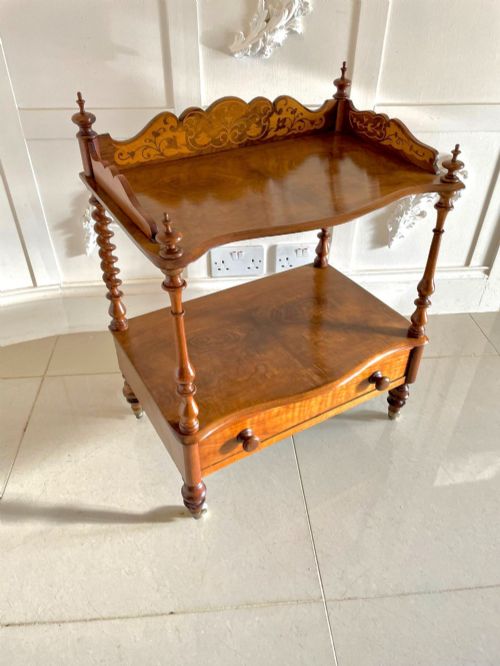
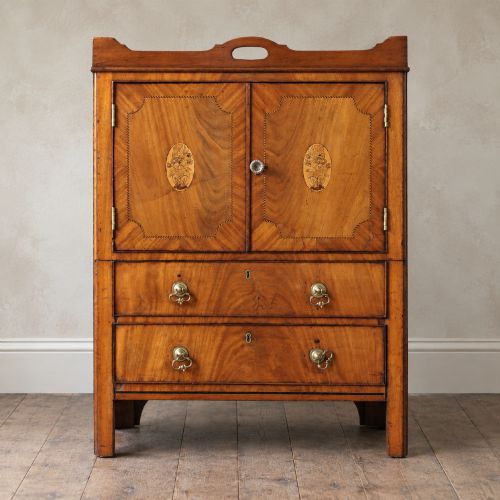
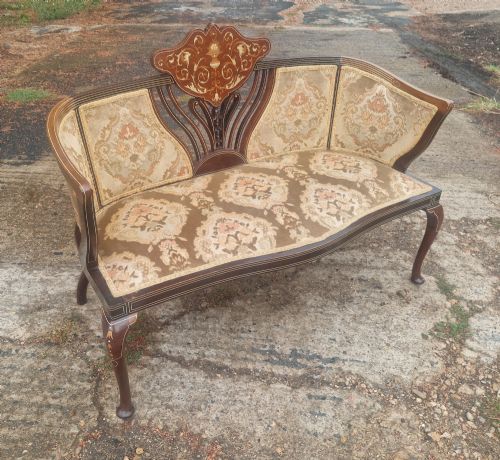
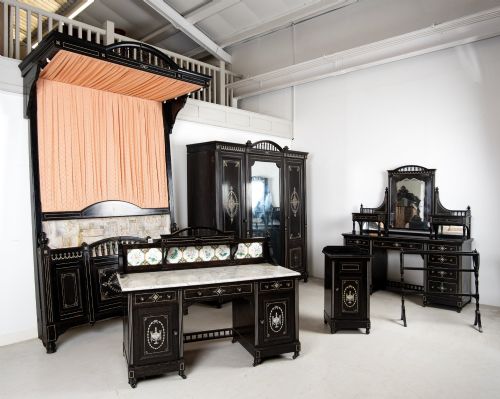
Buyers also encounter related suite items including commodes, lamp tables, and marble-topped bedside cabinets accompanying the main bed frames. The regional origins stretch across British workshop traditions and continental European centres like France and Italy.
Materials and Technique
Cabinetmakers constructed these frames using primary structural timbers such as mahogany, walnut, burr walnut, satinwood, and oak, often reinforced with brass and ormolu mounts. The decorative surfaces rely on precise wood inlay and marquetry techniques to form pictorial or geometric patterns across headboards and footboards.
Secondary detailing incorporates fruitwood, bone, ebonised elements, and marble tops on associated bedside cabinets. Workshops combined traditional joinery with applied decorative veneers to achieve the varied visual textures seen across the centuries.
Antique Marquetry Bed Retail Price Guide 2026
Typical asking prices for marquetry bed among the pieces listed under this phrase on Sellingantiques today, from the lower quarter to the upper quarter. They describe what is for sale here now, not the wider market.
Listings feature periods from the seventeenth century through Georgian, Victorian, Edwardian, and Art Deco eras.
Quality and Execution
The standard of an antique marquetry bed rests upon the precision of the timber selection and the intricacy of the wood inlay. Superior examples display tightly figured burr walnut, rich satinwood, or finely cut fruitwood that sits flush within the primary surface.
Design integration separates standard production from exceptional work, particularly where brass details, ormolu mounts, and matching bedside furniture maintain a coherent aesthetic. The depth of the carving and the fidelity of revival styles, from Louis XVI to Art Deco, dictate the standing of each piece.
Jason and Joseph Kohn·Louis Majorelle
The Antique Marquetry Bed Glossary
- Marquetry
- Decorative veneer work arranged in pictorial or geometric patterns on furniture surfaces. It differs from inlay by assembling pieces on a backing before application.
- Ormolu
- Gilded bronze mounting applied to furniture for decorative accent. This technique gained widespread use during French revival periods.
- Burr Walnut
- Highly figured wood harvested from tree growths, producing swirling patterns. Cabinetmakers utilised this timber for prominent panels on high-end beds and suites.
- Bedstead
- The framework of a bed supporting the mattress and springs. These items appear in single, double, and king sizes across Edwardian and continental styles.
- Satinwood
- A durable, lustrous timber with a yellowish sheen used for detailed inlay work. Edwardian makers frequently paired this wood with mahogany.
Antique Marquetry Bed: Frequently Asked Questions
What sizes do these antique beds come in?
These beds appear in single, double, and king sizes, alongside specific larger continental formats. Dimensions vary according to the period and region of manufacture.
Buyers should verify mattress compatibility separately, as historic sizing standards differ from contemporary measurements.
How do I care for marquetry surfaces?
Protect the wood inlay by maintaining stable room humidity and avoiding direct sunlight. Gentle dusting with a soft cloth preserves the polished finish without chemical buildup.
Wax polish applied sparingly helps nourish older walnut, mahogany, and satinwood veneers over time.
Are bedside cabinets usually included?
Certain listings provide matching bedside cabinets or marble-topped nightstands as part of a larger bedroom suite. Other bed frames are offered entirely on their own.
Checking individual item descriptions clarifies whether auxiliary tables accompany the main bedstead.
What distinguishes Edwardian marquetry beds?
Edwardian examples frequently employ satinwood, mahogany, and inlaid bone details to create lighter decorative schemes. These pieces often reflect neoclassical influences or simpler domestic designs.
In contrast, earlier seventeenth-century or nineteenth-century variants utilise heavier oak, burr walnut, and denser fruitwood veneers.