


Antique Maritime Tools
These antique maritime tools span navigation instruments and storage chests in brass, mahogany, and pine, offering genuine utility for the collector.
Antique Maritime Tools
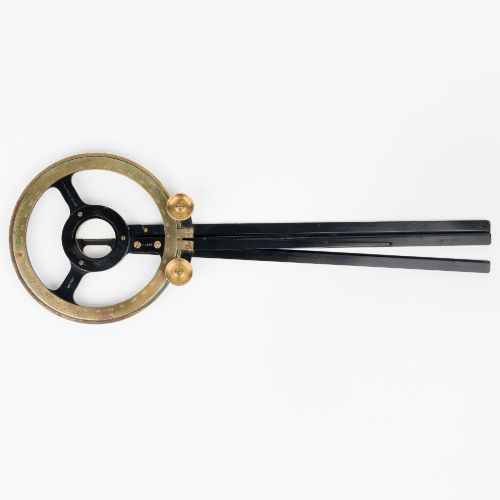
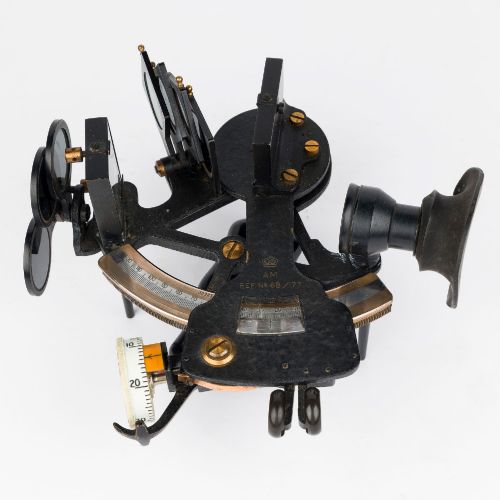
Antique maritime tools encompass a focused selection of instruments and gear used at sea, ranging from navigation devices to shipwrights' storage chests. When exploring these items, collectors encounter pocket barometers, station pointers, sextants, and specialised work items such as sailors fids and seam rubbers.
Most examples originate from the Victorian and Edwardian periods, utilising durable materials suited to maritime environments. These objects combine utilitarian purpose with the distinct craftsmanship of their respective eras.
How they were made
Makers constructed navigation instruments and scientific apparatuses primarily from brass and glass, housing delicate components within fitted wooden cases. Ebony, mahogany, and rosewood provided stable housings for precision items like octants and theodolites.
Storage trunks and shipwrights' chests relied on robust timbers such as pine, frequently finished with paint or ebonisation to withstand onboard conditions. Hand tools like sailors fids and seam rubbers were carved from dense bone or hard wood to endure repetitive manual labour.
A nineteenth-century ceremonial launching mallet and chisel brings a touch of dockside pageantry straight to the workbench.
What varies in quality
Quality in these instruments depends upon the precision of the engraved scales, the legibility of maker signatures, and the survival of original glass and optics. Finer scientific pieces retain their cased integrity and original internal fittings rather than replacement components.
For storage trunks and chests, distinction lies in the retention of original painted surfaces, robust dovetail construction, and authentic brass hardware. Items showing direct association with named makers or specific vessels carry greater historical weight.
Hughes & Son·Negretti & Zambra·A Hurlimann Paris·H Hughes·John Lilley & Son London·Cox of Devonport
The Antique Maritime Tools Glossary
- Sextant
- A navigation instrument used to measure the angle between an astronomical object and the horizon for celestial navigation.
- Fid
- A tapered tool carved from wood or bone, traditionally used by sailors for separating strands of rope during splicing.
- Clinometer
- An instrument used for measuring angles of slope, elevation, or depression of an object with respect to gravity.
- Station pointer
- A three-arm protractor used in hydrographic surveying to fix a position on a chart from three known landmarks.
- Seam rubber
- A smooth tool used by sailmakers to flatten seams and creases in heavy canvas before stitching.
Antique Maritime Tools: Frequently Asked Questions
What is a sailors fid used for?
A sailors fid is a tapered wooden or bone tool designed to open the strands of heavy rope and cordage during splicing and rigging work aboard ship.
Because they were subjected to heavy manual pressure, surviving examples often display dense grain and utilitarian wear from actual maritime use.
How do I identify a shipwrights chest?
Shipwrights chests are typically heavy storage trunks constructed from pine, mahogany, or ebonised wood, built with robust dovetail joints to withstand harsh conditions at sea.
They frequently feature internal tills, compartments for specialised tools, and carrying handles suited for transport by maritime craftsmen.
What period do most navigation instruments belong to?
The majority of navigation and scientific instruments found here date from the nineteenth and early twentieth centuries, spanning the Victorian and Edwardian eras.
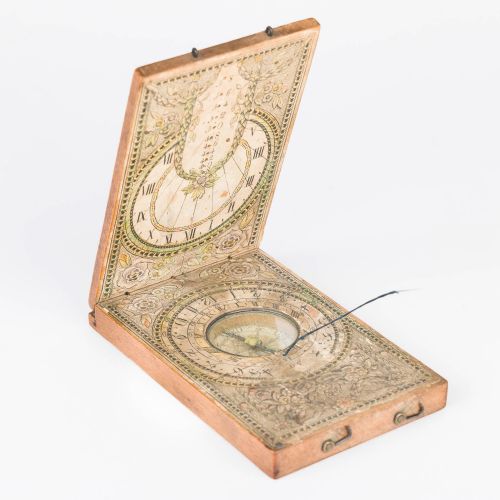
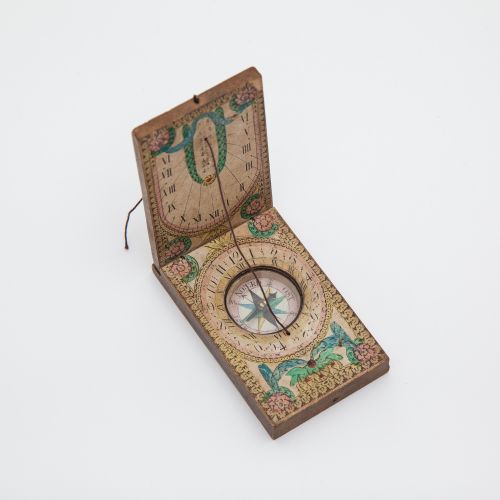
Earlier examples from the late eighteenth century also appear, marked by portable diptych dials and pocket-sized brass sundials.
Are cased instruments more desirable?
Cased instruments retain their original fitted wooden boxes, which protected delicate brass components, glass lenses, and engraved dials from moisture and impact during voyages.
Survival of the original case alongside the instrument adds significantly to the historical completeness of the piece.