



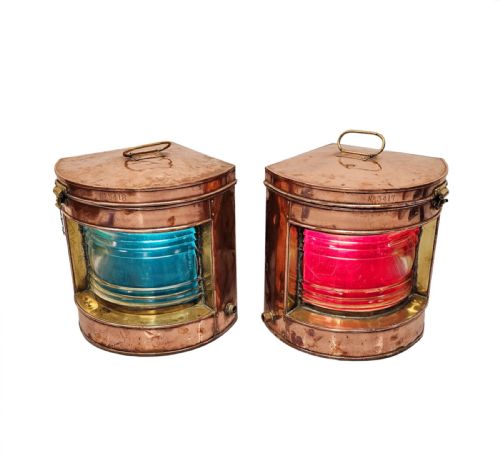


Antique Maritime Light
These antique maritime light pieces bring functional nautical engineering and coastal art into domestic interiors with enduring character.
Antique Maritime Light
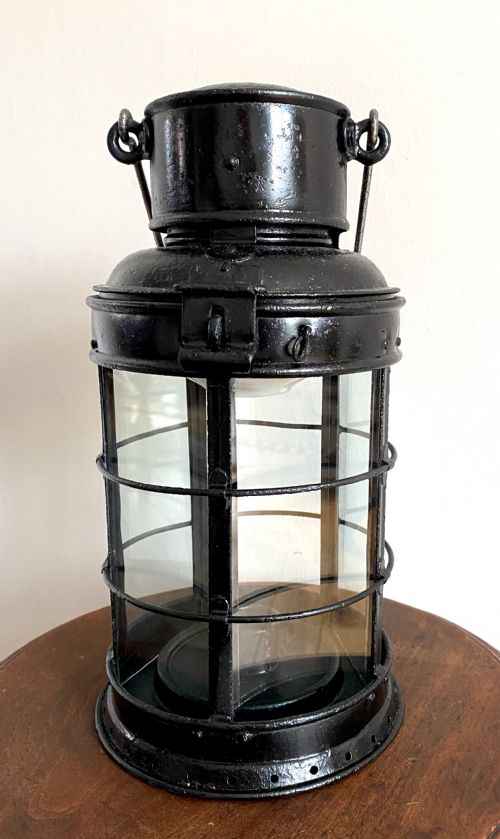
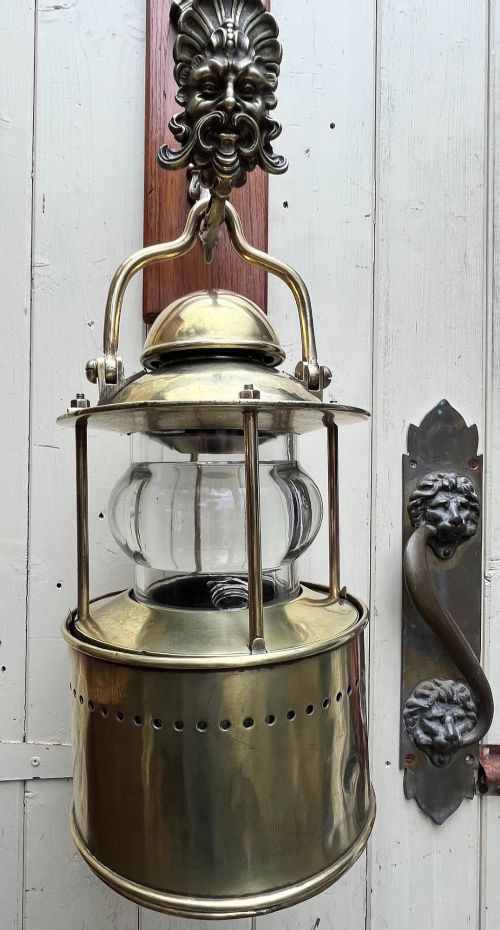
An antique maritime light encompasses brass and copper ship lanterns, gimbal lamps, pendant lights, and wall lanterns alongside coastal oil paintings and watercolours. Buyers looking for an antique maritime light frequently encounter heavy copper and brass navigational hardware from the nineteenth and early twentieth centuries, particularly port and starboard lanterns.
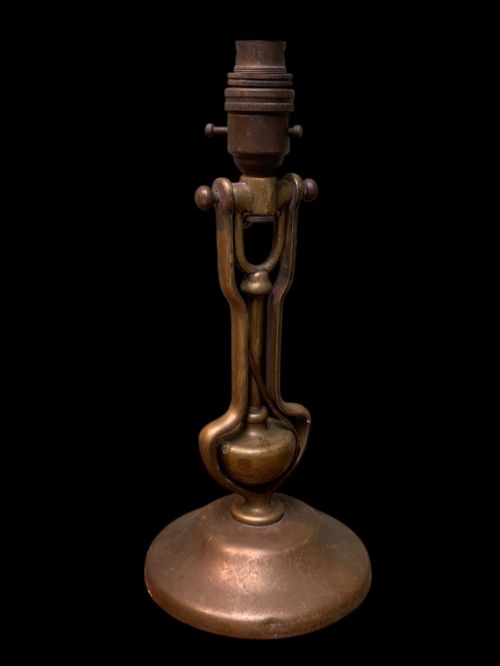
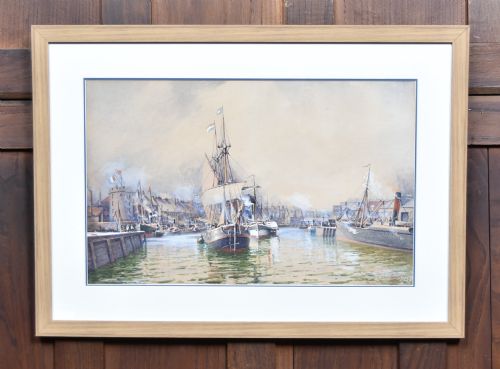
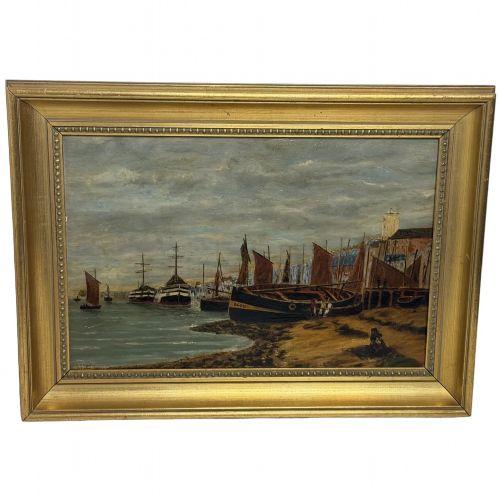
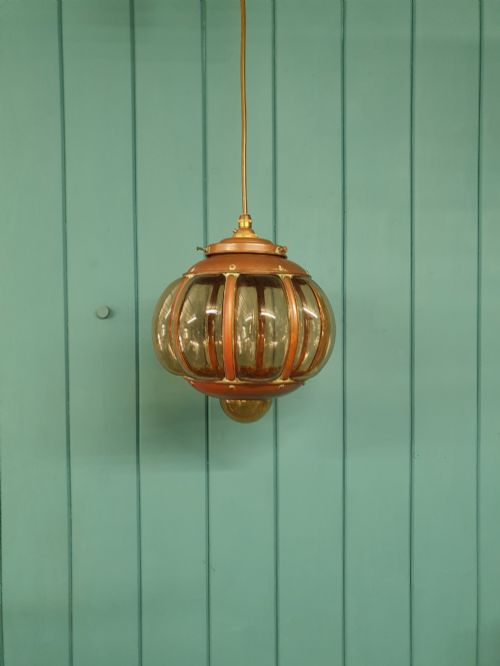
The selection also spans Edwardian pendant lights, architectural salvage, and framed marine paintings documenting harbours and coastal scenes from the eighteen-eighties through the nineteen-forties. Brass gimbal lamps designed for ships or trains appear alongside solid oak lighthouse table lamps and nautical door knockers.
Originating from British, French, and Italian makers and artists, these objects bridge utilitarian maritime service and decorative fine art. The domestic lighting conversions adapt functional naval equipment for modern interiors while retaining their original patination and robust construction.
Materials and construction methods
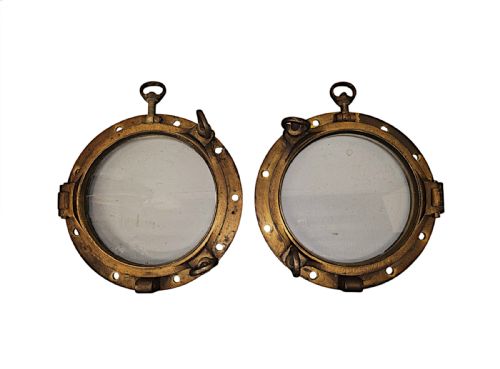
The physical construction relies heavily upon durable metals such as brass, copper, nickel plating, and black enamelled iron, paired with thick protective glass elements. Metal components are often riveted, soldered, or cast, yielding watertight enclosures built to withstand harsh marine environments.
Painted works utilise oil on canvas or watercolour on paper, framed to preserve maritime scenes executed by artists working across the nineteenth and early twentieth centuries. Wooden elements incorporate turned teak and solid oak, demonstrating traditional joinery and turning techniques found in table lamps and candlesticks.
Antique Maritime Light Retail Price Guide 2026
Typical asking prices for maritime light among the pieces listed under this phrase on Sellingantiques today, from the lower quarter to the upper quarter. They describe what is for sale here now, not the wider market.
A pair of bobbin-turned teak candlesticks carved directly from the timber of the Royal yacht HMS Renown.
Distinguishing quality in maritime lighting and art
Quality rests upon the integrity of original metal finishes, authentic maker markings, and the preservation of natural patination on copper and brass surfaces. Superior examples retain their manufacturer plaques, functional gimbal mechanisms, and undamaged heavy glass lenses without modern replacements.
In painted works, quality reveals itself through the subtlety of coastal light rendering, brushwork precision, and the documented provenance of the artist. The distinction between standard utility hardware and premier pieces depends upon structural completeness and the retention of original mounting brackets.
Alderson & Gyde Ltd·William McGeoch & Co
The Antique Maritime Light Glossary
- Gimbal lamp
- A lamp mounted on a pivoted ring suspension system that keeps the burner or bulb level despite the rolling of a ship or train. This engineering solution prevents fuel spillage and ensures steady illumination.
- Port and starboard lanterns
- Navigational signal lights historically mounted on the left and right sides of a vessel. They typically feature coloured glass lenses and robust metal cowls.
- Pendant light
- A hanging light fixture suspended from the ceiling by a chain, cord, or metal rod. Maritime versions utilise heavy copper or brass shades with smoked glass.
- Architectural salvage
- Building components and decorative elements rescued from structures slated for demolition. This category includes nautical door knockers and specialised wall lanterns.
Antique Maritime Light: Frequently Asked Questions
How do I install a ship's gimbal lamp?
Most antique gimbal lamps require conversion by a qualified electrician to safely accommodate modern domestic wiring and bulb fittings. The original mounting brackets should be secured to wall studs or reinforced surfaces to support the weight of the metal housing.
Retaining the pivoting gimbal rings allows the lamp to move naturally, though some buyers choose to fix the mechanism in place for stationary display. Professional rewiring ensures that insulation meets current safety standards while preserving the exterior brass or nickel-plated components.
Were ship lanterns used indoors?
Original ship lanterns served functional roles on naval vessels, merchant ships, and trains to provide navigational signals or interior illumination. Their rugged brass and copper construction was engineered specifically for exposure to sea salt and severe weather.
Contemporary placement brings these utilitarian objects into hallways, kitchens, and studies as statement lighting pieces. The thick glass and heavy metal framing lend industrial character and authentic maritime history to domestic spaces.
How do I date an antique brass lantern?
Dating relies upon inspecting maker stamps, patent numbers, and the specific fabrication techniques used on the brass or copper housing. Nineteenth-century examples often display hand-beaten seams and early riveted construction, whereas twentieth-century pieces incorporate standardised stamped components.
Manufacturer plaques bearing specific company names help narrow the production era to particular decades like the nineteen-hundreds or nineteen-twenties. Comparing the style of the ventilation cowls and lens mountings against dated catalogue archives confirms the manufacturing period.
What is the difference between port and starboard lights?
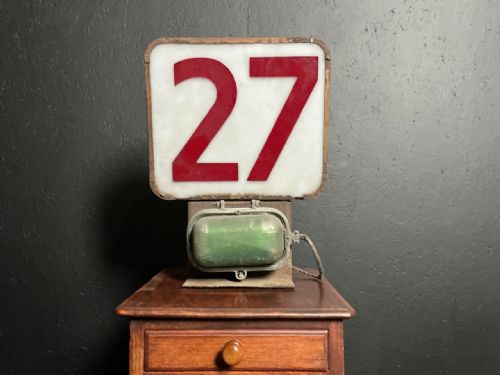
Port and starboard lights correspond to the nautical convention of designating the left and right sides of a vessel. Port lights historically utilise red glass or signal markers, while starboard lights feature green.
On this page, matching pairs of port and starboard lanterns reflect their original placement on opposite sides of a ship's bridge. Collectors value complete pairs for symmetrical interior display or symmetrical flanking above doorways.