




Antique Maritime Collectibles
Antique maritime collectibles bring the practical craft of the sea indoors, offering tangible links to navigation, shipboard life and naval history.
Antique Maritime Collectibles
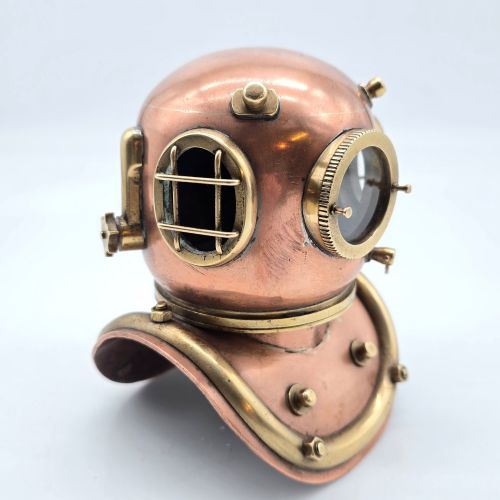
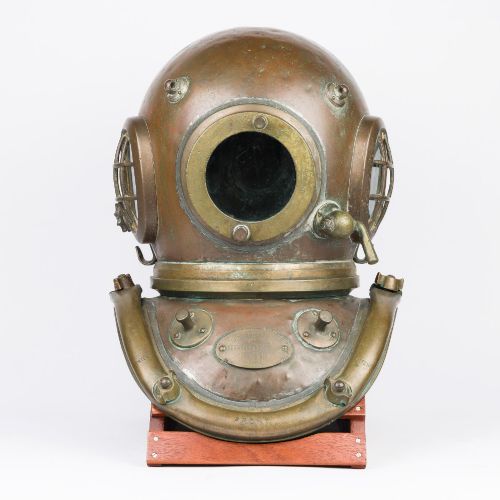
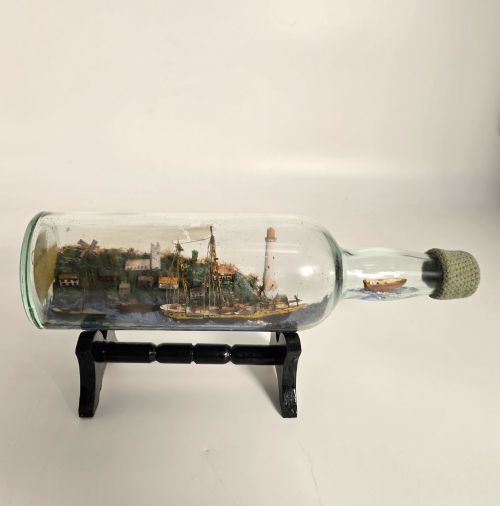
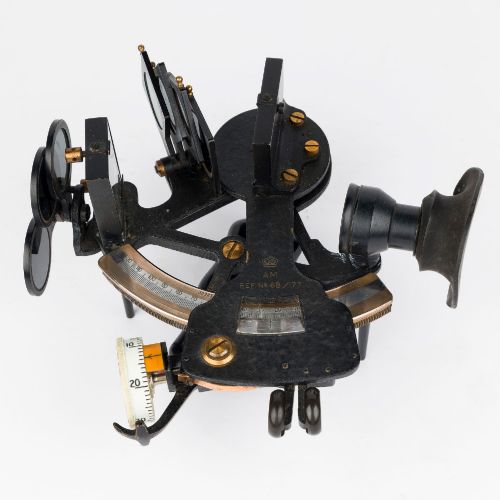
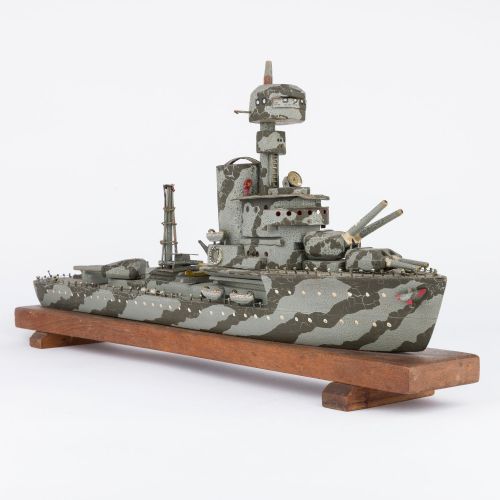
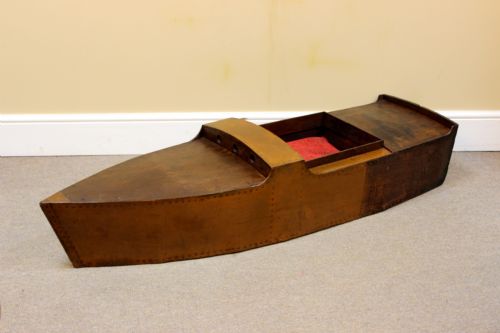
Antique maritime collectibles encompass a varied array of objects connected to seafaring, navigation and naval history. When buyers search for antique maritime collectibles, they encounter everything from precision scientific instruments and diving equipment to folk art dioramas and ship models.
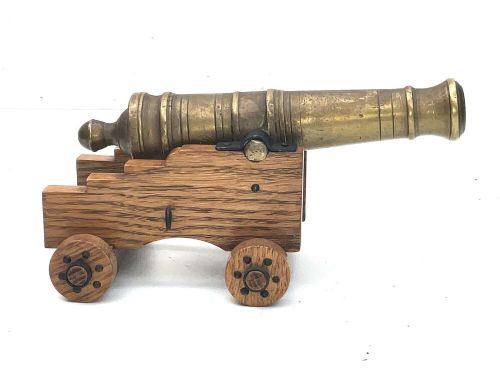
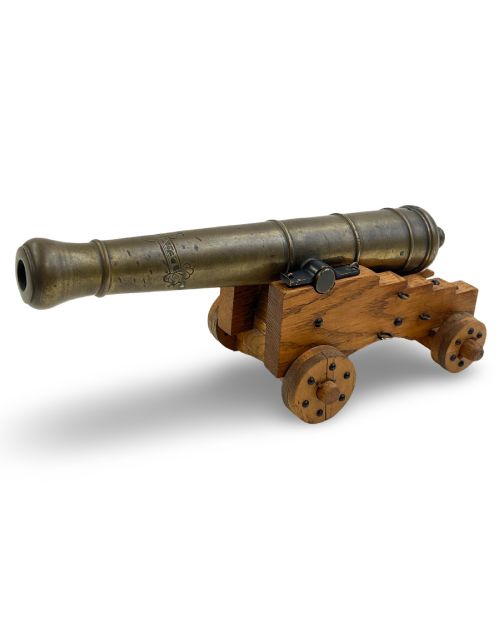
The pieces available span multiple periods, from the eighteenth century through the Edwardian era and into the mid-twentieth century. Scale models, signal cannons and pocket barometers form the core of what collectors typically find on offer.
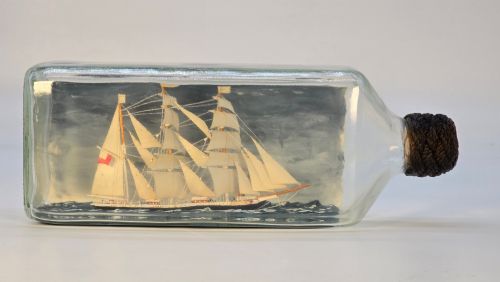
Originating from British, French and wider European maritime traditions, these items reflect both professional naval utility and civilian nautical hobbies. A buyer might select a utilitarian brass case or a decorative folk art ship in a bottle depending on their specific interest in the sea.
Materials and Construction
Makers utilised durable materials suited to marine environments, predominantly brass, copper, wood and glass. Scientific instruments and hardware rely heavily on cast and turned brass, whilst models and dioramas incorporate carved wood, paint and glass bottles.
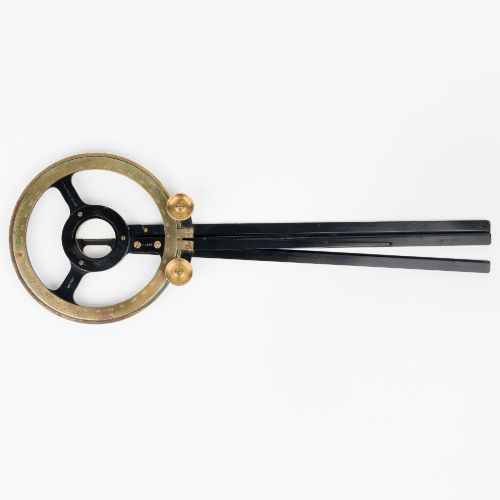
Handcrafting techniques define the category, from the intricate scratch building of model ships to the precise calibration of barometers and station pointers. Natural substances such as coconut shell and rosewood appear in bespoke sailors' items, shaped entirely by hand with simple workshop tools.
A coconut shell drinking vessel carved by a Georgian sailor proves that maritime leisure occasionally involved tropical snack adaptation.
Factors of Quality
Quality in these items rests on the precision of original manufacture and the degree of subsequent preservation. Scientific instruments by established makers retain legible engravings, smooth mechanical action and intact optical glass, whereas lesser examples show sloppy assembly and worn graduations.
In folk art and models, the fidelity of scale and complexity of rigging distinguish superior pieces from basic amateur work. Original surfaces untouched by modern restoration carry significantly more integrity than heavily refinished objects.
Hughes & Son·Siebe Gorman·Negretti & Zambra·Elkington & Co
The Antique Maritime Collectibles Glossary
- Sextant
- An instrument used to measure the angle between an astronomical object and the horizon for celestial navigation. Military and aviation variants appeared extensively through the twentieth century.
- Diorama
- A three-dimensional scene, commonly found in maritime contexts enclosed within glass bottles or display cases. These often depict sailing ships or steam vessels constructed by sailors and folk artists.
- Fid
- A conical wooden or bone tool used by sailors to splice ropes and rigging. Rosewood examples were frequently turned on board or in port workshops.
- Barometer
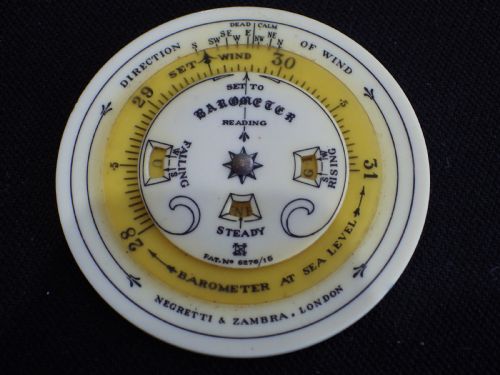
- A scientific instrument used for measuring atmospheric pressure to forecast weather. Pocket versions housed in brass or leather cases were standard equipment for officers.
Antique Maritime Collectibles: Frequently Asked Questions
How do I date a brass signal cannon?
Dating small signal cannons requires examining the metal casting technique, inscriptions and carriage design. Eighteenth and nineteenth-century examples often feature bronze or brass barrels cast with foundry marks or vessel names.
Later Victorian and Edwardian reproductions or scaled models generally exhibit cleaner machine tooling. Comparing the mountings to documented ordnance patterns helps confirm the period of manufacture.
Were brass instruments used at sea?
Scientific instruments like station pointers, barometers and sextants were vital tools for navigation and meteorology aboard naval and merchant vessels. Brass was chosen for its resistance to corrosion in marine environments and its structural rigidity.
Many of these instruments survive in fitted wooden or leather cases designed to protect delicate glass and vernier scales from damp conditions on deck.
What is a sailors fid?
A fid is a tapered tool traditionally carved from dense wood such as rosewood or fashioned from bone. Sailors utilised it to open the strands of heavy rope during splicing and rigging work.
These utilitarian objects doubled as personal items carved with decorative turnings. Surviving examples reflect the practical handwork performed by crew members during quiet watches.