

Antique Marble Topped Table
An antique marble topped table brings a cool, enduring stone surface to a hallway, bedroom or salon, combining architectural weight with fine cabinetmaking.
Antique Marble Topped Table
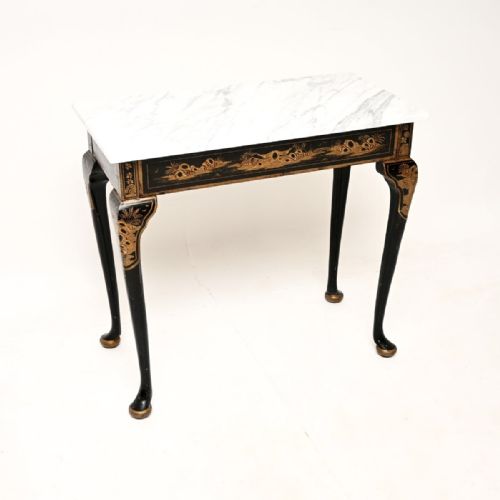
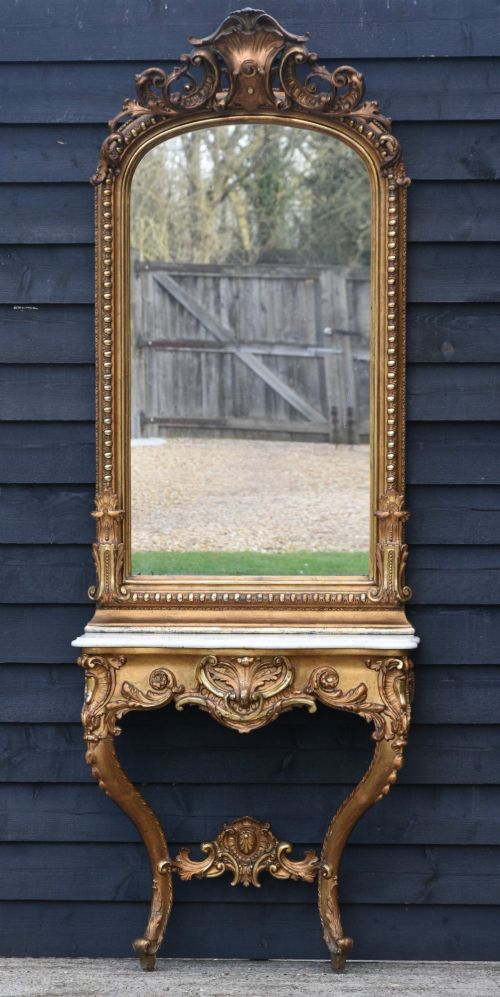
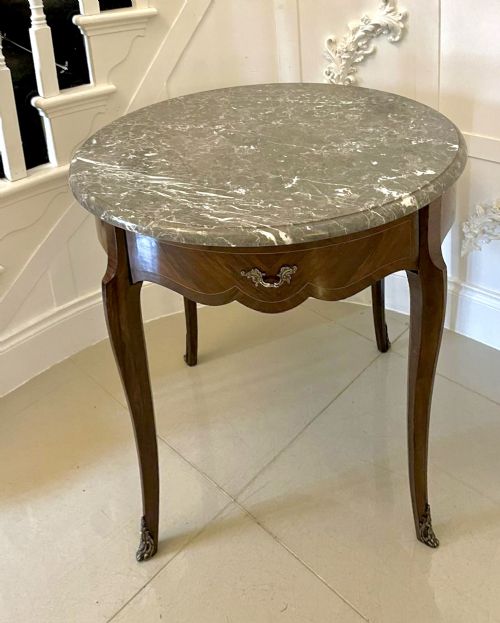
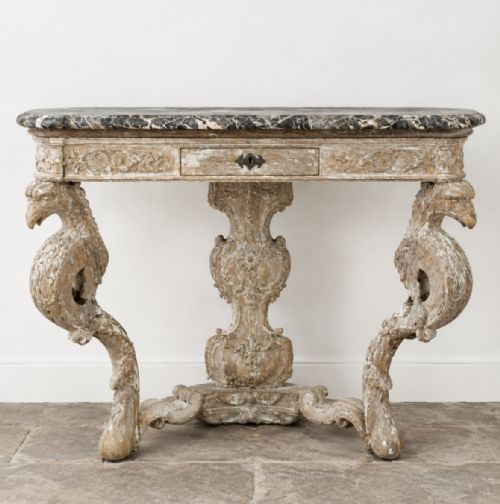
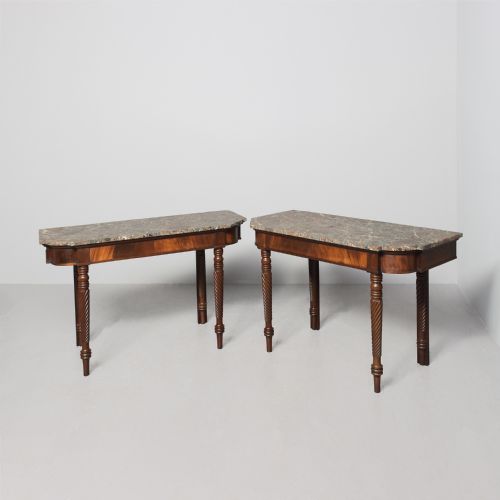
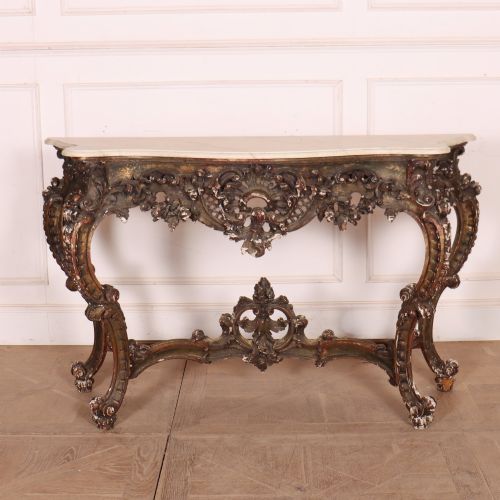
When searching for an antique marble topped table, collectors encounter a diverse array of forms ranging from grand console tables designed for wall placement to compact bedside cabinets and circular centre tables. The selection heavily reflects 19th-century European craftsmanship, particularly French and Italian designs alongside English interpretations.
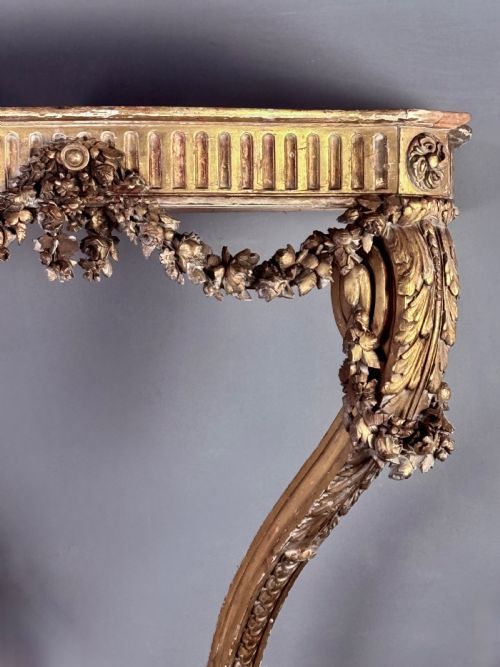
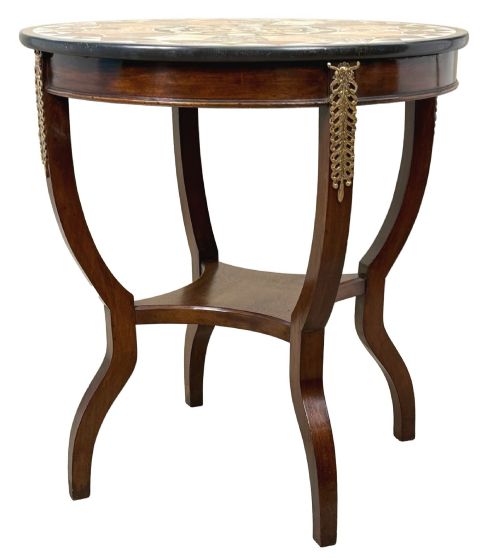
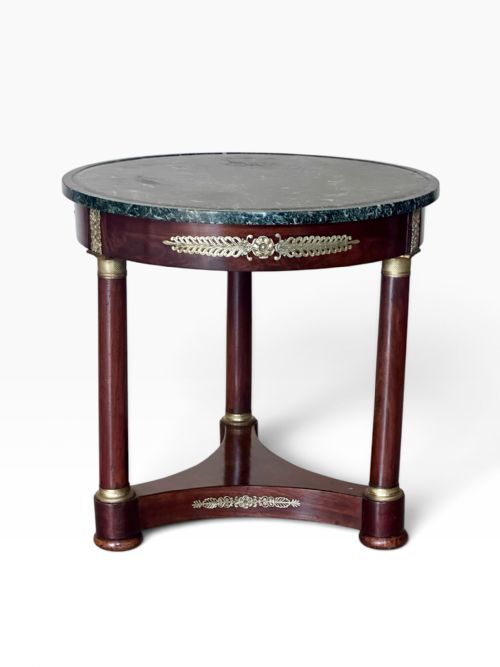
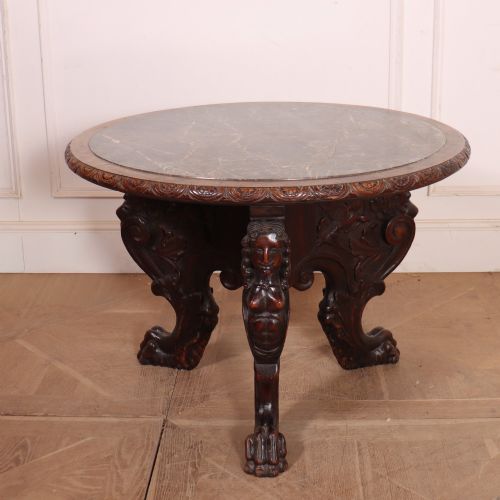
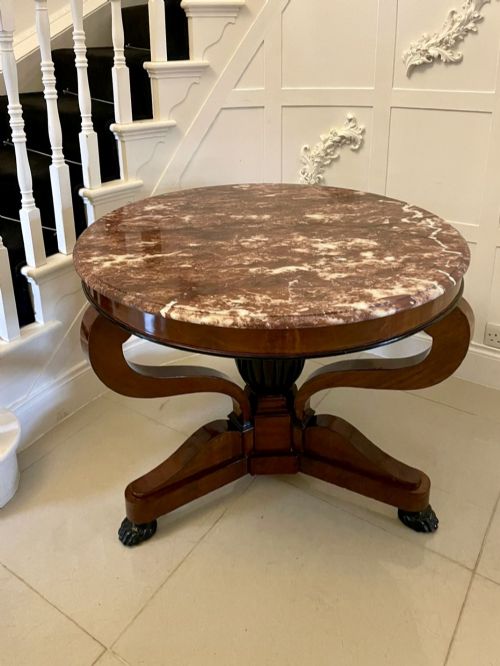
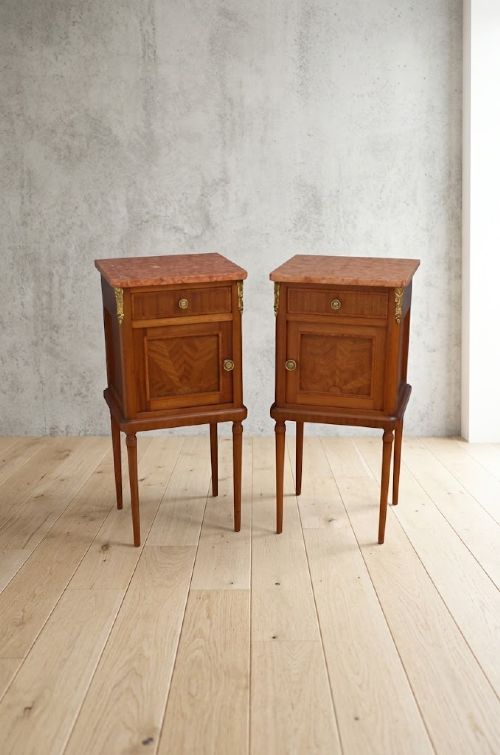
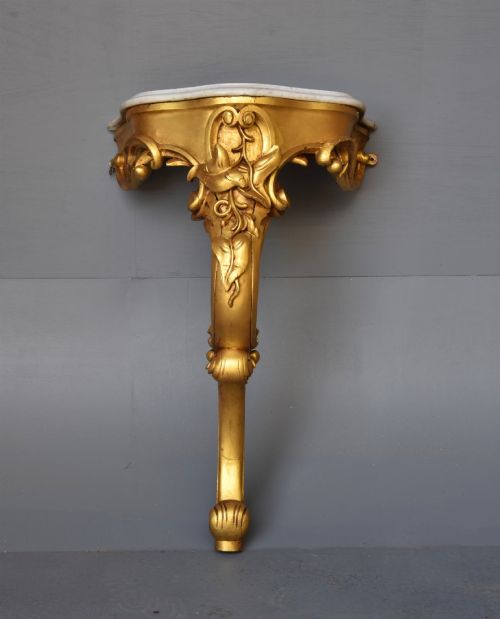
Console tables and gueridons dominate the offerings, often featuring shaped slabs of marble fitted to carved giltwood, mahogany, walnut or kingwood frames. Buyers frequently find smaller bedside tables and occasional stands featuring inset stone surfaces suited for practical daily use.
Originating from periods spanning the 18th century through the Edwardian era, these pieces serve functional roles as lamp tables, plant stands, and dressing surfaces while retaining distinct regional decorative styles.
Materials and construction
Cabinetmakers constructed the foundational frames using dense timbers like mahogany, walnut, oak, and satinwood, frequently employing fine veneers such as kingwood and flame mahogany. Ormolu, gilt bronze, and carved gilding enhanced the structural woodwork on high-status continental examples.
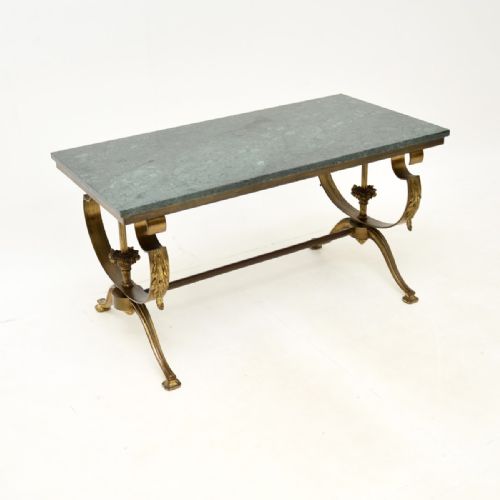
Slabs of marble, including Carrara and rouge varieties, were hand-cut and polished to fit precisely into rebated wooden frames or onto stone-topped pedestals. Iron and brass also appeared in specific frames, particularly on industrial-influenced console bases and English washstands.
Listings feature woods including mahogany, walnut, kingwood, and satinwood paired with Carrara and rouge marble slabs.
Distinctions in quality
The sophistication of the carved wood elements and the selection of timber veneers dictate the baseline quality of the frame. Heavy, crisp hand-carving in giltwood or solid mahogany separates superior examples from simpler turned supports.
The thickness, figuring, and finish of the marble slab itself indicate grade, with thick, highly figured specimen marble or finely moulded edges marking the upper tiers of production.
Maison Millet·François Linke·Gervais Durand·Heal's
The Antique Marble Topped Table Glossary
- Gueridon
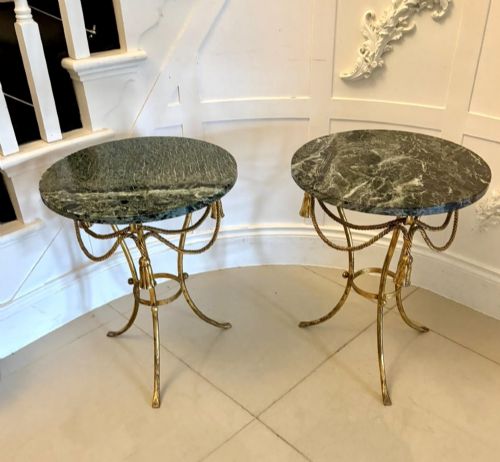
- A small circular table on a central pillar or tripod base, frequently topped with marble. Originating in France, these tables served variously as lamp or occasional stands.
- Console table
- A table designed to stand against a wall, often secured with brackets or resting on front legs. They commonly feature decorative aprons and marble tops.
- Ormolu
- Gilded bronze mounts applied to furniture frames during the 18th and 19th centuries. The technique involves applying a mercury and gold amalgam to cast bronze.
- Pietra dura
- An artistic technique using cut and fitted polished coloured stones to create mosaic designs. It appears on high-end tabletop surfaces.
- Serpentine front
- A piece of furniture featuring a front edge that curves inward centrally and bows outward at the sides. This contour requires precise joinery and stone cutting.
Antique Marble Topped Table: Frequently Asked Questions
How do I clean an antique marble top?
Wipe the surface gently with a soft damp cloth using neutral, pH-balanced soap if necessary. Avoid acidic cleaners, vinegar, and abrasive pads that etch or dull the polished stone.
Dry the marble thoroughly afterwards with a soft towel to prevent water spots. Periodically applying a specialised stone wax helps protect the finish from accidental spills.
Were these tables originally used outdoors?
Antique marble topped tables were strictly designed for indoor use within formal reception rooms, bedrooms, and hallways. The polished wooden frames and gilded finishes would deteriorate rapidly if exposed to moisture and temperature fluctuations.
Even though marble is a stone, the underlying timber construction and cabinet joints require stable indoor climates to prevent warping and veneer lifting.
How do I distinguish French from English styles?
French tables from the 19th century frequently display exuberant carving, gilt bronze mounts, and serpentine shapes influenced by Rococo or Empire revivals. Woods like kingwood and satinwood feature prominently in these continental designs.
English counterparts tend toward heavier mahogany structures with rectilinear forms or restrained classical proportions, exemplified by William IV hall tables and Victorian washstands.