




Antique Marble Scale
An antique marble scale or related grand-scale object brings heavy presence and classical proportion into a room.
Antique Marble Scale
When you search for an antique marble scale, you encounter pieces that range from practical commercial equipment to decorative items designed for display. The selection includes grocers scales and postal scales alongside grander decorative forms that utilise marble or large scale execution.
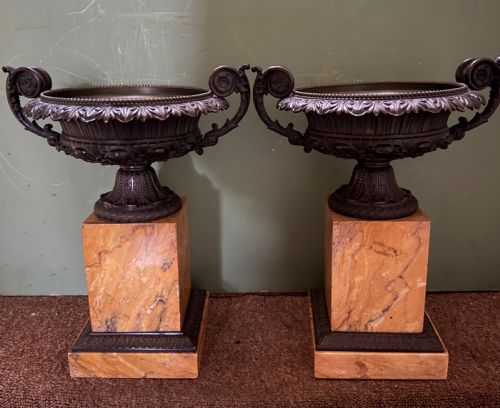
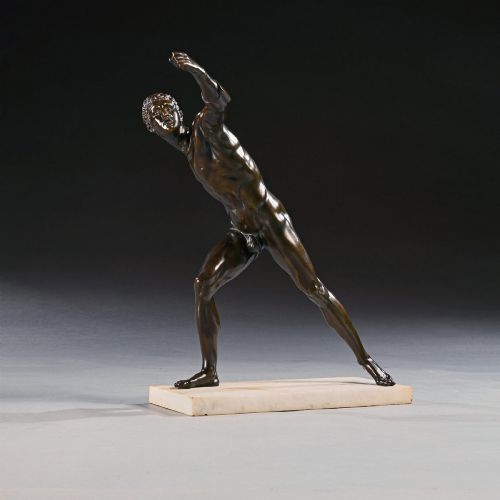
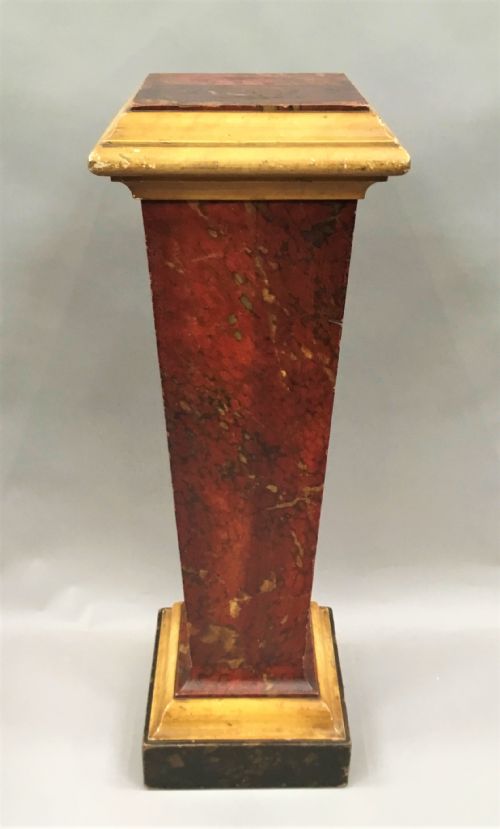
You are most likely to meet 19th century and Victorian examples, including Regency periods and Grand Tour souvenirs. These items span functional weighing instruments, decorative bowls, wine coolers and jardinieres, pedestals, and bronze sculptures.
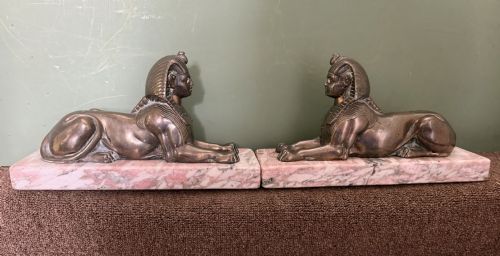
The objects frequently combine marble with bronze, brass, alabaster, earthenware, and ironstone. Many items draw directly on neoclassical and Egyptian Revival styles, reflecting an enduring interest in classical antiquity.
How they were made
Makers shaped heavy materials such as marble and alabaster into architectural blocks, plinths, and carved tazze, often pairing them with cast bronze and brass components. Surface finishes include simulated faux marble and specialised glazes on pottery plates.
Sculptural works and decorative items utilised reduction and casting techniques to replicate classical antiquities for the Grand Tour market. Stonework relied on precise carving of veined stones and supportive block bases.
Antique Marble Scale Retail Price Guide 2026
Typical asking prices for marble scale among the pieces listed under this phrase on Sellingantiques today, from the lower quarter to the upper quarter. They describe what is for sale here now, not the wider market.
Several pieces owe their existence entirely to nineteenth-century tourists determined to lug heavy bronze gladiators back across the Alps.
What varies in quality
Quality rests upon the crispness of the carving in alabaster and marble, and the fidelity of the bronze casting in figures after the antique. Faux finishes vary according to how closely they imitate genuine stone veining and retain their original surface.
The integration of mixed materials, such as bronze mounted upon a marble block base or fitted mechanical scale components, dictates the overall coherence and execution of the piece.
The Antique Marble Scale Glossary
- Tazza
- A shallow cup or bowl mounted on a stem and foot, often carved from alabaster or marble during the Grand Tour period.
- Grand Tour
- A cultural journey undertaken by wealthy Europeans in the eighteenth and nineteenth centuries, resulting in the acquisition of souvenir sculptures and architectural models.
- Egyptian Revival
- A nineteenth-century style drawing inspiration from the art and motifs of ancient Egypt, seen here in sphinxes and architectural forms.
- Neoclassical
- A style originating from the revival of classical Greek and Roman forms, characterising many nineteenth-century pedestals, cisterns, and bronzes.
Antique Marble Scale: Frequently Asked Questions
What is a Grand Tour souvenir?
These are small-scale or reduced copies of classical sculptures and architectural elements purchased by travellers in Italy during the nineteenth century. They served as scholarly mementos for display in private homes.
Materials commonly included carved alabaster and bronze mounted upon marble block bases.
How were postal and grocers scales used?
Grocers scales weighed goods in nineteenth-century shops, such as cooperative societies, using robust ironstone or pottery plates alongside metal mechanisms. Postal scales sat on desks to determine letter postage.
Commercial examples combined functional reliability with durable materials like brass and earthenware.
What is faux marble?
Faux marble is a simulated surface finish applied to materials such as wood or plaster to imitate the appearance of genuine stone. Regency pieces often retained original painted finishes to achieve a neoclassical aesthetic without excessive weight.
This technique allowed makers to create grand pedestals and wine cisterns more affordably.
How do I care for marble and alabaster?
Marble and alabaster require gentle cleaning with dry or slightly damp cloths to protect the porous stone surfaces and carved details. Avoid acidic substances that can etch polished finishes.
Keeping pieces away from direct moisture preserves original glazes and faux marble treatments.