

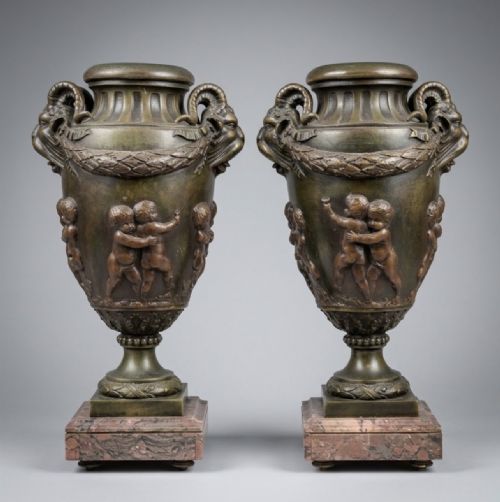


Antique Marble Relief
Antique marble relief carvings bring classical portraiture, mythological scenes, and architectural crests into interiors through meticulous stone sculpture.
Antique Marble Relief
An antique marble relief presents carved figures projecting from a stone background, ranging from profile portraits of Roman Emperors to mythological figures and architectural crests. When seeking an antique marble relief, buyers encounter wall plaques, cabinet panels, and framed sculptures originating primarily from the eighteenth and nineteenth centuries.
The objects stem from various European traditions, including Italian Grand Tour souvenirs and Victorian classical revival works. These pieces utilise white marble, black marble, and Sienna marble, frequently mounted within domestic settings or integrated into furniture such as cabinets and mantel clocks.
Materials and construction methods
The creation of these works relies on carving solid blocks of stone, utilising white marble, black marble, and Sienna marble, occasionally supplemented by marble dust composites. Artisans shape the stone using chisels and drills to achieve varying depths of projection, from shallow cameo bas-reliefs to deep sculptural forms.
Mountings and frames incorporate cast metals including gilt bronze, ormolu, and silvered bronze, alongside slate and carved wood elements like walnut. Workshops balance the heavy stone panels with secure bronze fittings, pedestals, or wooden cabinetry.
Antique Marble Relief Retail Price Guide 2026
Typical asking prices for marble relief among the pieces listed under this phrase on Sellingantiques today, from the lower quarter to the upper quarter. They describe what is for sale here now, not the wider market.
Materials span white, black, and Sienna marble, supplemented by slate, gilt bronze, ormolu, and spelter.
What separates quality tiers
The selection and preparation of the stone material influence the overall impression, with uniform fine-grained marble commanding greater attention than flawed blocks. Additionally, the integration of secondary materials, such as fire-gilt bronze mounts or signed workshop attributions, elevates the standing of the object.
Thorvalsen Workshop·Kasper Hendrik Roskam
The Antique Marble Relief Glossary
- Bas-relief
- A sculptural technique where the figures project only slightly from the background plane. This shallow carving style is frequently seen on profile portrait plaques.
- Grand Tour
- A cultural journey undertaken by wealthy Europeans in the eighteenth and nineteenth centuries to collect classical art and souvenirs. Items acquired include carved marble portrait cameos and architectural fragments.
- Ormolu
- Gilded bronze used for decorative mounts and ornaments. It appears alongside marble in clocks, urns, and desk accessories.
- Sienna marble
- A yellow-brown decorative marble quarried in Italy, featuring dark veining. It provides a striking colourful background for carved wall panels.
- Spelter
- A zinc alloy cast to imitate bronze. It is found on bases and decorative elements accompanying stone components.
Antique Marble Relief: Frequently Asked Questions
How were marble reliefs displayed originally?
Historical display methods depended on the format and origin of the piece. Grand Tour souvenirs and portrait plaques were typically hung on walls or mounted on desks.
Larger panels were integrated directly into architectural surrounds, mantelpieces, or specialised wooden cabinets.
How do I distinguish different periods?
Period identification relies on stylistic cues and material combinations. Seventeenth and eighteenth-century works often reflect Baroque or early neoclassical tastes through restrained portraiture.
Nineteenth-century pieces frequently display Victorian classical revival traits, incorporating cast bronze mounts or varied coloured marbles like slate and Sienna.
How do I care for antique marble?
Maintaining marble requires gentle cleaning with a dry or barely damp soft cloth to remove dust. Harsh chemical cleaners and abrasive materials damage the polished surface and carved details.
Stable indoor humidity and secure wall fixings protect the heavy stone and any associated bronze or wooden mounts from structural strain.