

Antique Marble Lighting
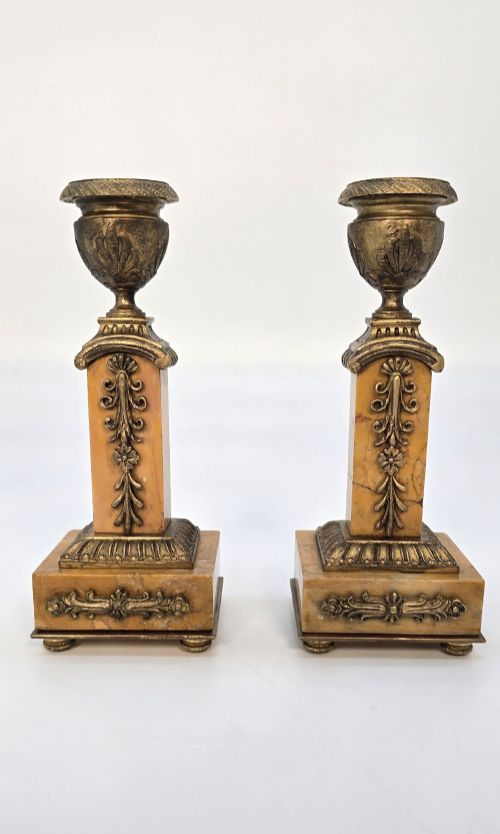
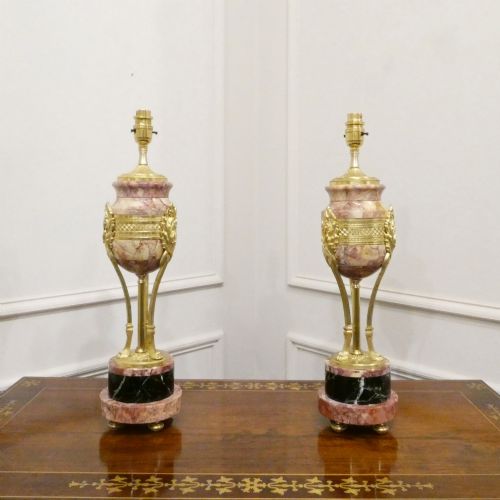
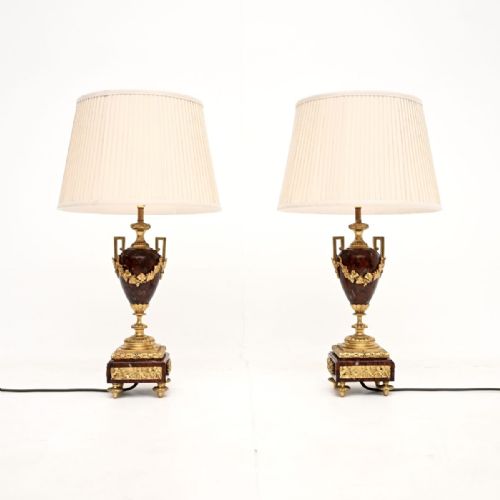
Antique marble lighting combines solid stone bases with classical metal mounts to illuminate interiors with period weight and presence.
Antique Marble Lighting
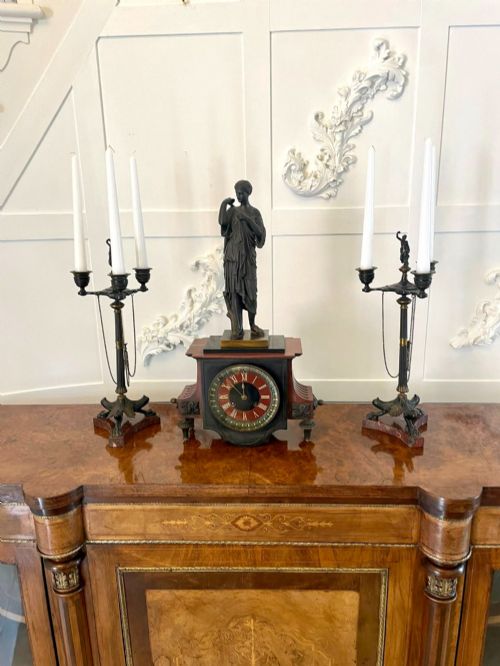
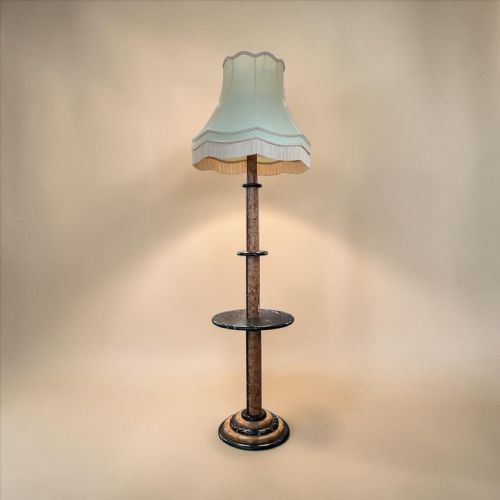
Antique marble lighting primarily comprises table lamps, floor lamps, and converted candelabra drawn from nineteenth and early twentieth century production.
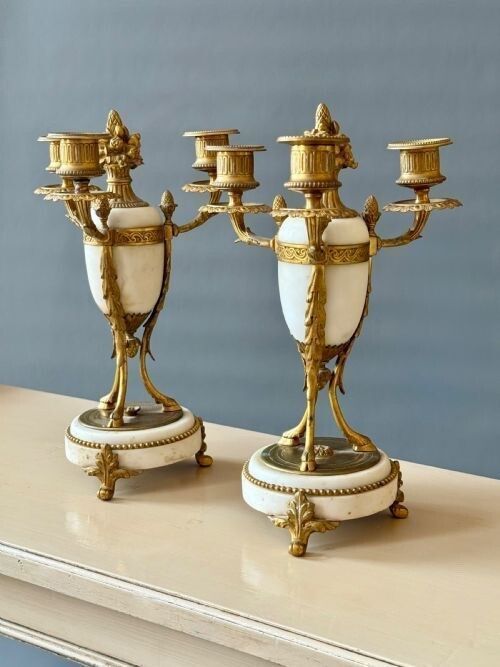
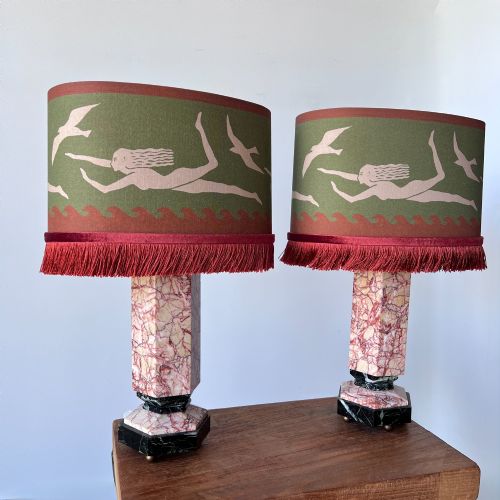
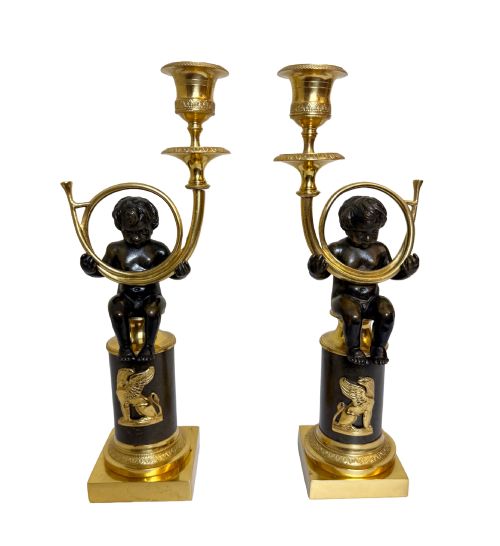
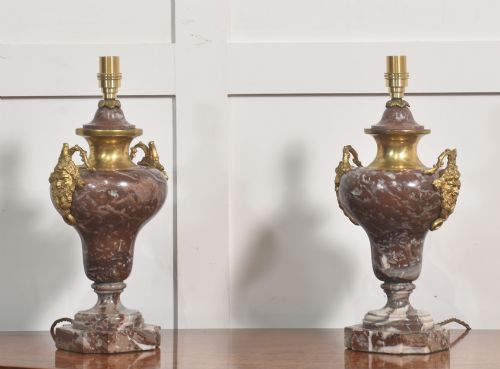
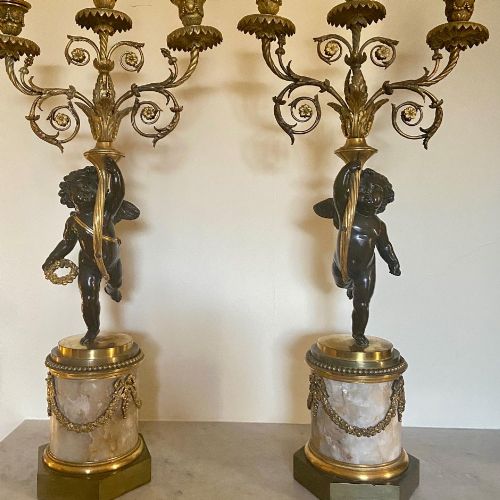
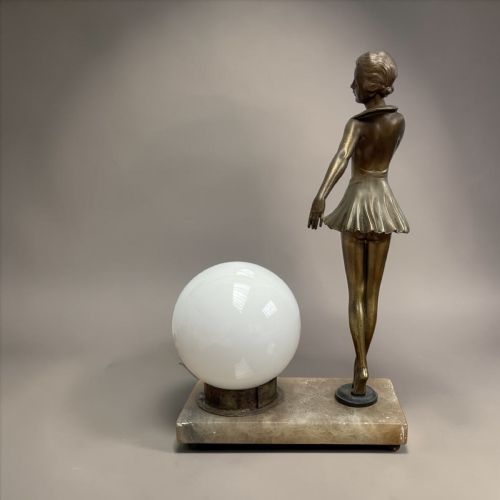
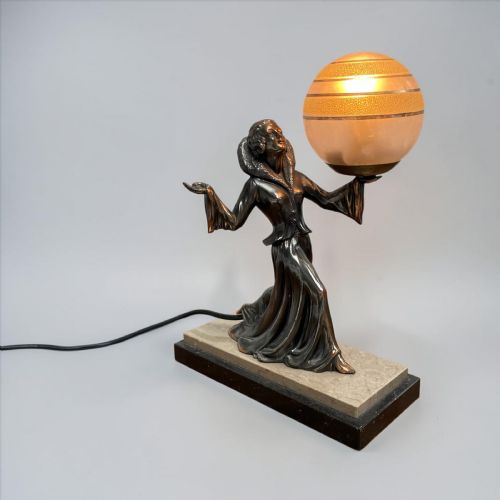
Buyers encounter French Empire, Louis XVI style, and Art Deco designs that utilise white or rouge marble alongside bronze, brass, and gilt mounts.
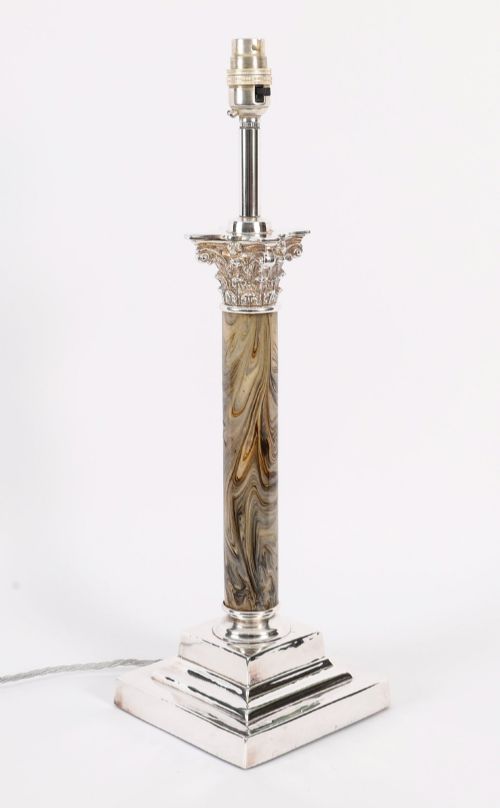
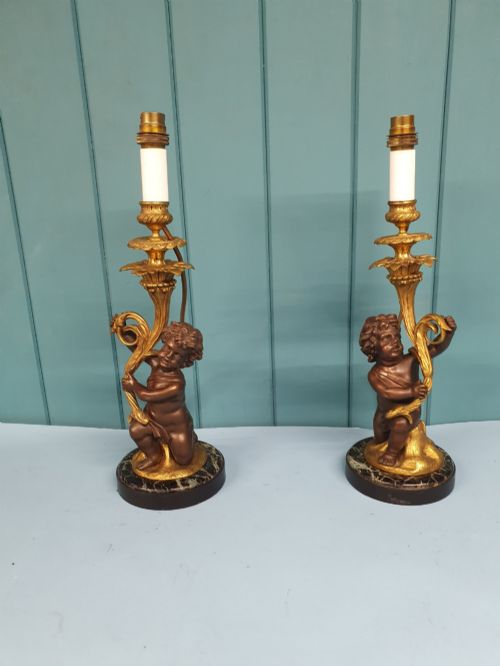
The selection ranges from Corinthian column table lamps to figural pieces featuring cherubs, putti, and carved alabaster.
Materials and construction
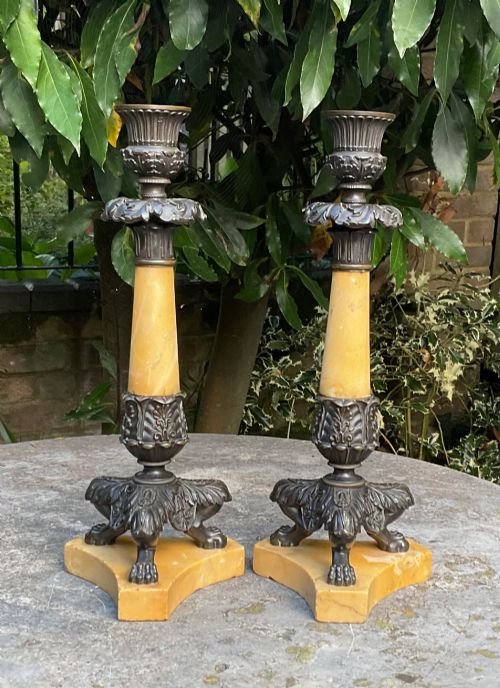
Pieces combine turned or carved marble and alabaster bases with cast bronze, brass, or ormolu mounts fixed securely to the stone.
Makers integrated glass shades, fabric elements, and opaline components to diffuse light above heavy mineral plinths.
Listings feature items spanning the Victorian era through the 1930s, constructed from marble, alabaster, brass, and gilt bronze.
Assessing quality
Quality rests on the depth of the metal chasing, the crispness of cast bronze details, and the weight and grain of the marble itself.
Finely integrated mounts that fit flush against the stone without excessive adhesive or gaps separate standard utilitarian pieces from exceptional examples.
The Antique Marble Lighting Glossary
- Ormolu
- A gilded bronze technique applied to metal mounts on nineteenth-century pieces. It provides a bright, durable golden surface.
- Cassolette
- A decorative vessel that doubles as a burner or candle holder. These often feature removable lids sitting on marble bodies.
- Alabaster
- A fine-grained translucent stone used for carved lamp bodies. It allows light to pass through the material gently.
- Caryatid
- A sculpted female figure serving as an architectural support. These appear frequently on classical columnar bases.
Antique Marble Lighting: Frequently Asked Questions
How do I wire an antique marble lamp?
Rewiring requires feeding modern flex through the existing central channel of the stone or metal column without damaging the antique core. A professional electrician should complete this to ensure safety.
Patinated metal components and delicate marble bases need careful handling during any rewiring process to preserve the original structure.
What is the difference between marble and alabaster lighting?
Marble is a hard, crystalline metamorphic rock with distinct veining, whereas alabaster is a softer, translucent gypsum stone. Alabaster lamps often glow when lit from within.
Both materials require similar gentle cleaning methods using dry or barely damp cloths, avoiding acidic household cleaners.
How do I date these lamps?
Dating relies on stylistic clues such as Neoclassical motifs, Art Deco geometric forms, and the type of metal casting used in the mounts. Period manufacturing techniques help narrow down the decade.
Wiring and lamp holders often show later adaptations, so the primary stone and metal body provide the most reliable chronological evidence.
Where should I place a marble floor lamp?
Heavy standard lamps suit corners or reading areas where their substantial stone bases provide stability and visual weight. They anchor a room with classical or period proportions.
Positioning them away from high-traffic walkways protects fragile fabric shades and protruding bronze mounts from accidental knocks.