

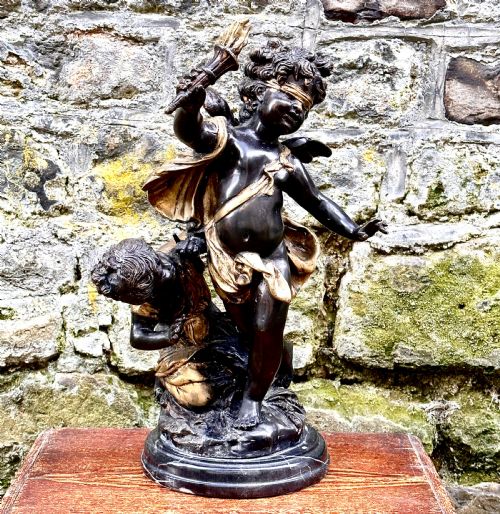
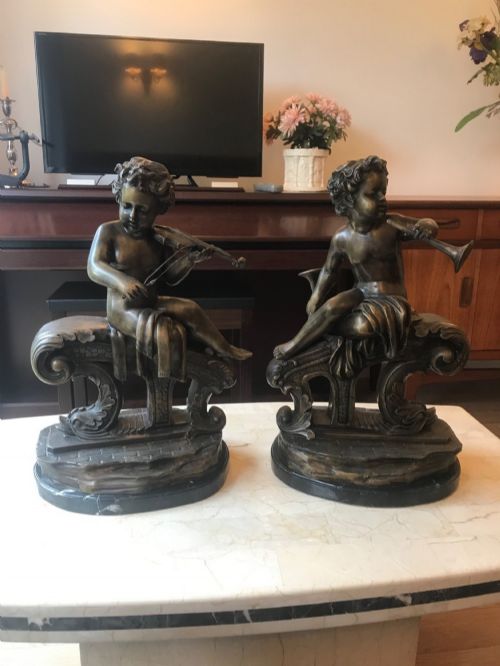


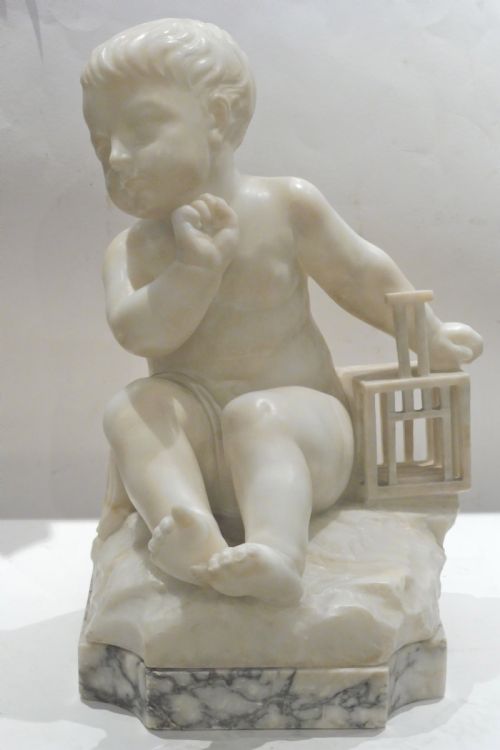


Antique Marble Cherub Statue
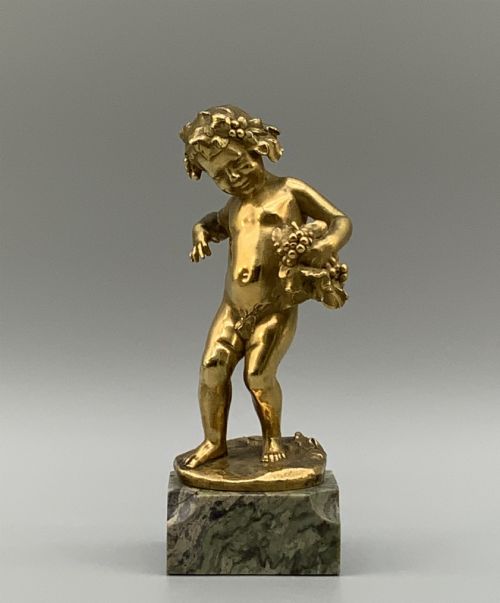
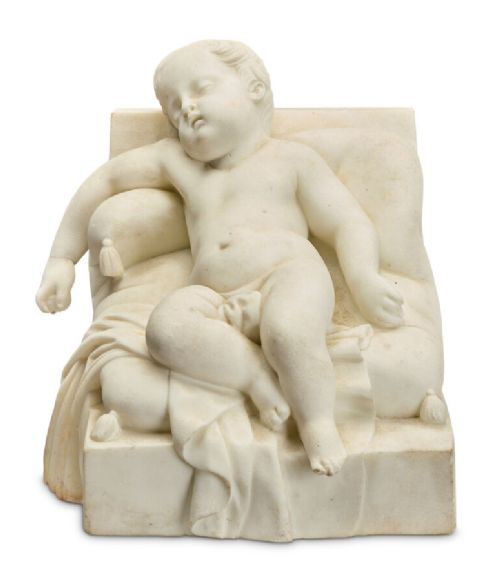
An antique marble cherub statue brings classic neoclassical grace into a room, carved from solid stone to capture youthful form.
Antique Marble Cherub Statue
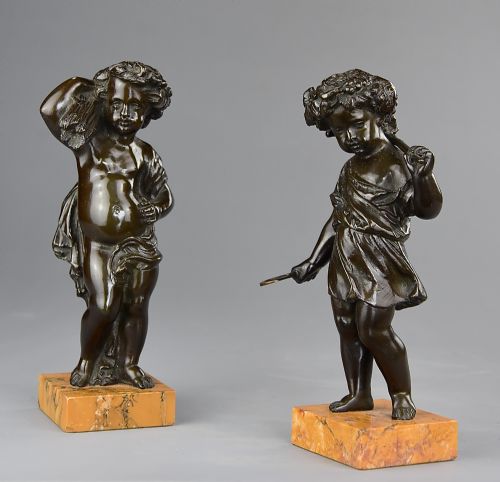
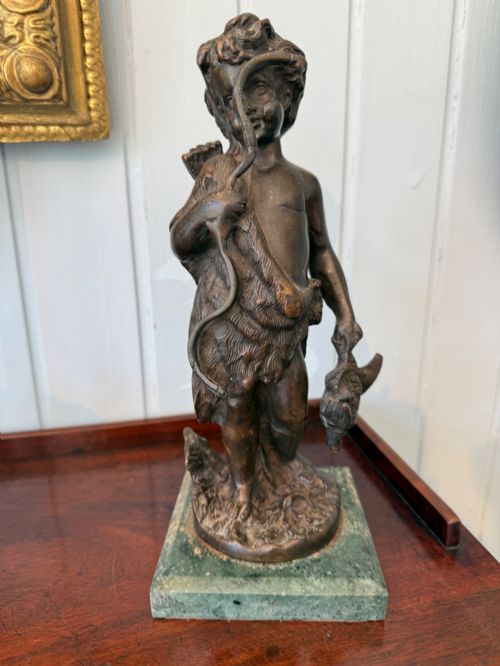
When you search for an antique marble cherub statue, you find figural carvings and sculptural groupings originating largely from the nineteenth century. These works depict youthful figures, putti, and classical subjects executed in white marble, alabaster, and mixed media compositions.
The selections available range from Italian Grand Tour souvenirs and statuettes to table lamps and large cabinet pieces. Many examples incorporate marble bases or combine carved stone with bronze components, reflecting French and Italian neoclassical aesthetics.
Makers and sculptors of the period rendered these subjects in diverse forms, from solitary figures with bows to elaborate multi-figure groups. They appear in domestic interiors as standalone sculptures, mantle ornaments, and converted lighting fixtures.
How they were made
The construction of these pieces relies primarily on traditional stone carving techniques applied to marble and alabaster. Artisans shaped blocks of white marble and translucent alabaster using chisels and abrasive pastes to achieve smooth flesh tones and textured drapery.
Many works integrate cast bronze, gilt bronze, and ormolu elements alongside the stone components. These metal sections were cast using the lost-wax or sand-casting methods and meticulously chased and finished before mounting to marble bases.
Antique Marble Cherub Statue Retail Price Guide 2026
Typical asking prices for marble cherub statue among the pieces listed under this phrase on Sellingantiques today, from the lower quarter to the upper quarter. They describe what is for sale here now, not the wider market.
What varies in quality
The choice of material also dictates distinction, with flawless white marble and richly grained alabaster commanding greater visual depth. Furthermore, the integration between the primary figure and its stone or bronze base demonstrates the overall standard of workshop execution.
Charles Louis Malric·Claude Michael Clodion·Antonio Canova·Louis Auguste Moreau·Pugi
The Antique Marble Cherub Statue Glossary
- Putto
- A plump, naked male child figure often depicted in classical art. They appear frequently in Renaissance and neoclassical sculpture as wingless counterparts to cherubs.
- Alabaster
- A fine-grained, translucent stone often used for ornamental carvings and statuary. It offers a softer texture than marble, allowing for subtle light diffusion.
- Ormolu
- Gilded bronze produced by applying a mercury and gold amalgam to cast bronze. This technique imparts a rich, durable golden finish found on nineteenth-century French mounts.
- Grand Tour
- A traditional trip through Europe undertaken by upper-class young men during the eighteenth and nineteenth centuries. Travellers frequently acquired small bronzes and marble statues as souvenirs.
- Neoclassical
- An artistic movement drawing inspiration from the classical art and culture of ancient Greece and Rome. It emphasises restrained ornamentation, balanced proportions, and heroic subjects.
Antique Marble Cherub Statue: Frequently Asked Questions
How do I clean marble cherub statues?
Dust the surface regularly with a soft, dry cloth to prevent grime accumulation. Avoid using chemical cleaners, acidic solutions, or excessive water, which can etch or stain the stone.
For stubborn marks, consult a professional conservator rather than attempting abrasive scrubbing. Gentle maintenance preserves the original polish and delicate carved details.
Are alabaster and marble different?
Marble is a metamorphic rock formed from recrystallised carbonate minerals, known for its density and durability. Alabaster is softer, composed of gypsum or calcite, and possesses a distinct translucency.
Because alabaster is much softer, pieces carved from it require more careful handling and protection from moisture compared to marble.
What is a Grand Tour souvenir?
Grand Tour souvenirs were portable artworks and antiquities purchased by travellers touring European cultural centres during the nineteenth century. These included reduced-scale bronze figures and carved marble groups.
Collectors prize these pieces for their historical association with elite travel and traditional academic craftsmanship.
How are converted lamps treated?
Many nineteenth-century bronze and marble figures were later adapted into table lamps by drilling through components or adding electrical fittings. When living with these pieces, ensure the wiring meets modern safety standards.
Original patination around the conversion points often indicates the age of the adaptation, blending functional utility with period character.