






Antique Mantel Jars
Antique mantel jars are decorative lidded vessels and urns that bring colour and symmetry to a fireplace.
Antique Mantel Jars
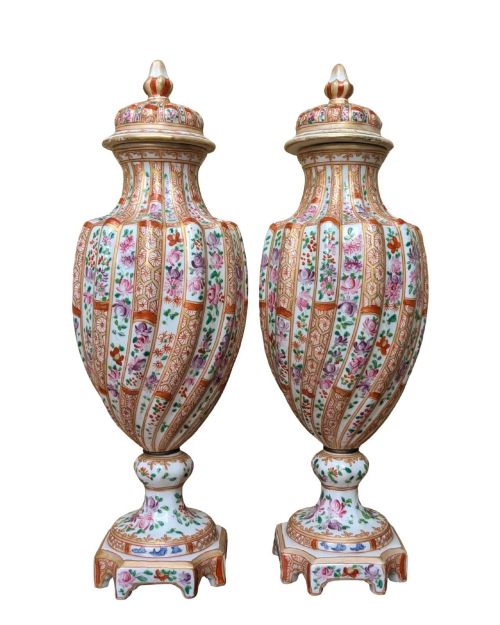
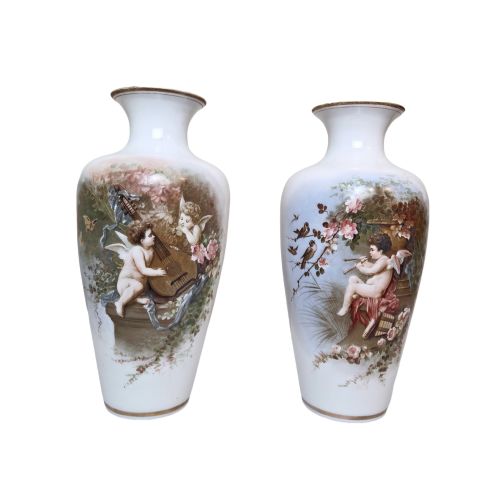
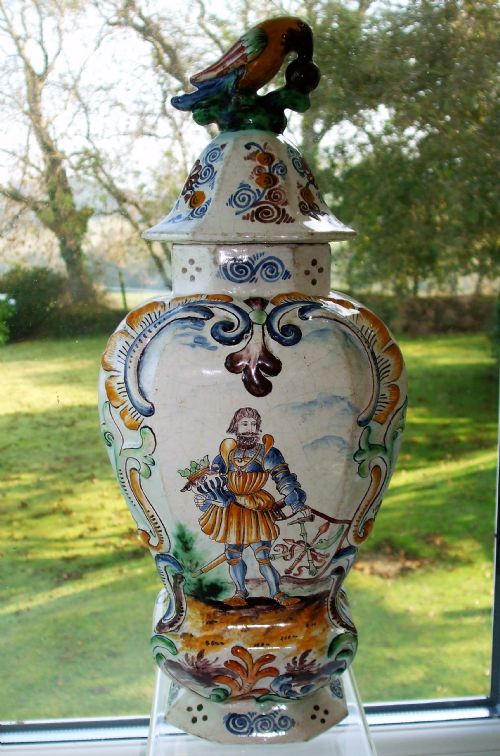
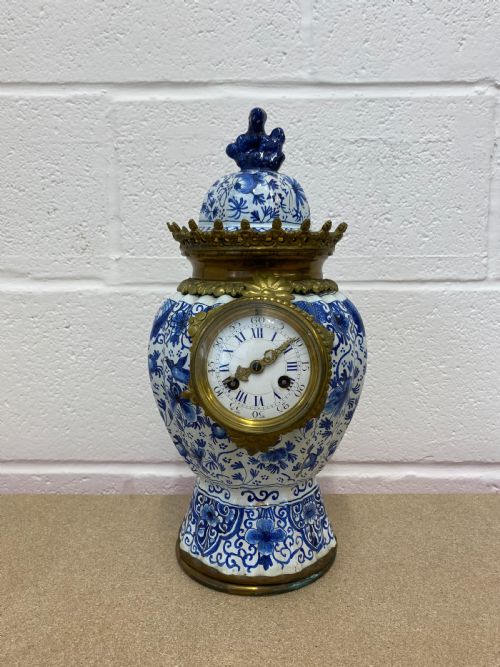
Antique mantel jars encompass lidded vases, ginger jars and decorative urns designed to sit on a chimney shelf. Buyers searching for antique mantel jars often find matching pairs of porcelain or ceramic vessels intended for symmetrical display.
The selections span European factories and Japanese workshops, with forms ranging from classical lidded shapes to Dutch Delftware. Many examples date from the nineteenth century, including Victorian pieces and Meiji period imports.
How they were made
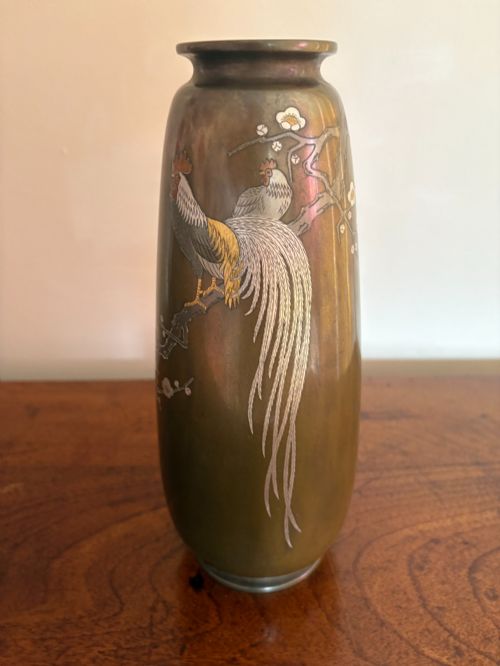
Makers shaped porcelain, earthenware and bronze, frequently applying surface decoration such as hand painting, gilding and enamel. Japanese pieces often utilised intricate Imari palettes and bronze inlay techniques.
European workshops produced porcelain and Delftware vessels, sometimes mounting them with gilt bronze or brass fixtures. Firing temperatures and hand-applied pigments determined the durability and depth of the finished glaze.
Antique Mantel Jars Retail Price Guide 2026
Typical asking prices for mantel jars among the pieces listed under this phrase on Sellingantiques today, from the lower quarter to the upper quarter. They describe what is for sale here now, not the wider market.
Current listings feature items from the eighteenth, nineteenth and twentieth centuries, using porcelain, bronze, glass and ebonised wood.
What varies in quality
Quality rests on the crispness of the hand-painted details and the control shown in the glazing process. Finer vessels display precise brushwork, well-defined gilding and balanced proportions across matching pairs or garnitures.
The weight and finish of metal mounts or lids also distinguish superior examples from standard production pieces. Makers who adhered closely to traditional techniques achieved greater clarity in colours and structural harmony.
Edme Samson·Wolfsohn Dresden·Royal Worcester·Carlton Ware
The Antique Mantel Jars Glossary
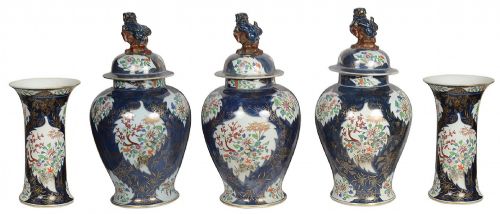
- Garniture
- A set of matching decorative vases or jars designed to be displayed together on a mantelpiece or sideboard. They typically consist of three or five pieces of graduated or matching sizes.
- Imari
- A traditional style of Japanese export porcelain decorated in underglaze blue, iron red, gold and supplementary colours. The style originated in the Edo period and proved popular in European interiors.
- Famille Rose
- A palette of Chinese ceramic glazes featuring predominantly opaque pink or rose enamel colours. The style was widely imitated by European porcelain factories during the nineteenth century.
- Pot Pourri
- A vase or jar featuring a pierced or perforated lid designed to release the scent of dried flowers and spices placed inside. These vessels often form part of decorative mantel garnitures.
Antique Mantel Jars: Frequently Asked Questions
What are antique mantel jars?
Antique mantel jars are decorative ceramic or porcelain vessels with lids, traditionally placed on fireplace mantelpieces for display. They often appear in matched pairs or larger sets alongside clocks and candelabra.
These pieces range from European porcelain factory productions to Japanese export wares created during the nineteenth century and earlier periods.
How were mantel jars used?
Mantel jars served primarily as ornamental items to enhance the status and aesthetics of a formal room. Some examples functioned as pot pourri containers to hold scented dried petals.
While occasionally used for storage, their main purpose was visual symmetry and decoration on prominent architectural ledges.
How do I display mantel jars?
Mantel jars look best arranged in balanced pairs or as part of a traditional three-piece garniture on a fireplace shelf. Ensure the proportions match the width of the mantel and the surrounding room decor.
Keep them away from direct heat sources and foot traffic to protect fragile porcelain and gilded surfaces from accidental knocks.
How do I date an antique jar?
Dating relies on examining the factory marks stamped or painted on the base, alongside the specific painting style and glaze characteristics. Material composition and mounting techniques also provide clues to the manufacturing period.
Comparing the decorative motifs, such as Imari patterns or Victorian floral designs, helps narrow down the decade of production.