



Antique Mannequin
An antique mannequin brings the sculptural presence of a tailor's studio or a shop floor directly into a room.
Antique Mannequin
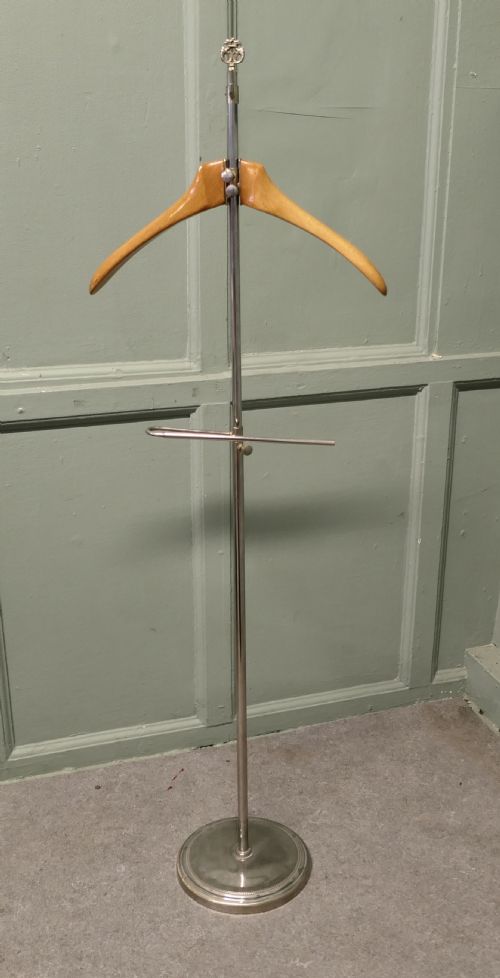
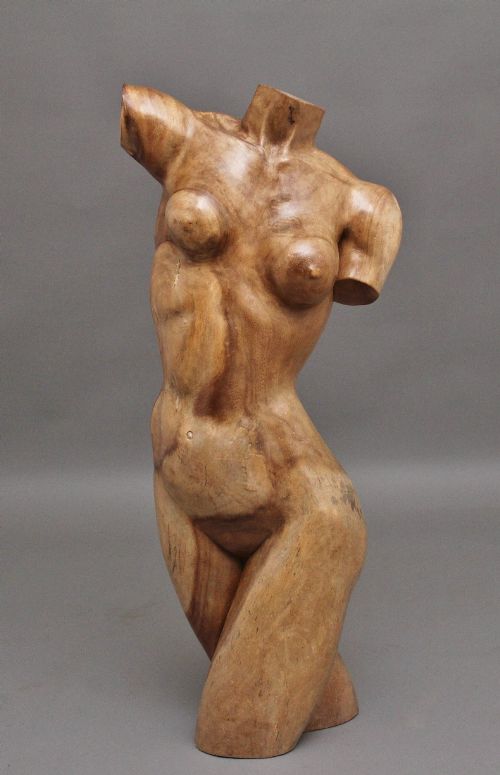
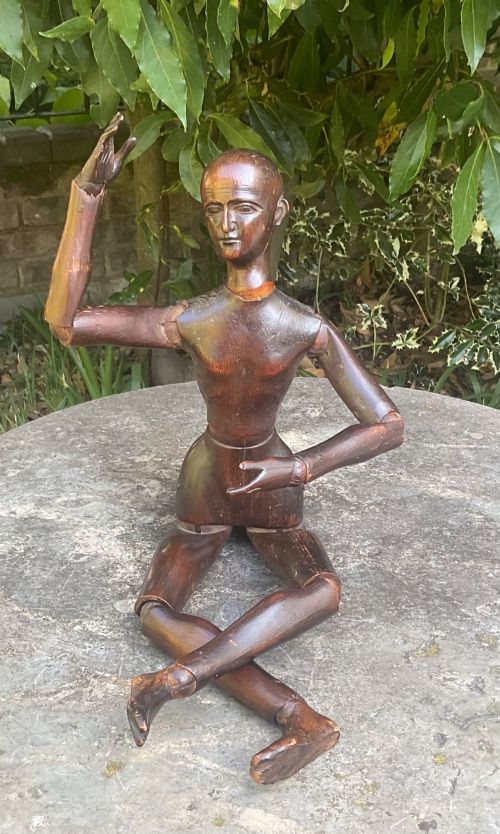
An antique mannequin encompasses a range of functional and sculptural forms, from articulated artist lay figures to dressmaker stands and shop display models. When searching for an antique mannequin, buyers encounter varied creations spanning the eighteenth, nineteenth, and early twentieth centuries. These objects served practical roles in ateliers, artist studios, and retail windows before finding new life in domestic interiors.
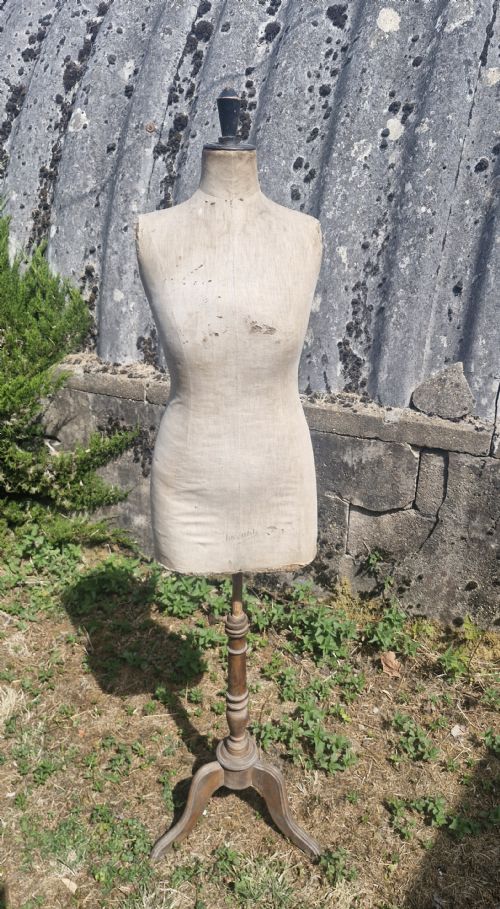
The selection on this page leans heavily towards early twentieth-century and nineteenth-century pieces, including French and English dressmaker dummies, plaster and ceramic busts, and carved wooden lay figures. Regional variations appear across French, English, Italian, and Spanish pieces, reflecting distinct local traditions in tailoring, advertising, and sacred art. Forms range from miniature artist models to life-size female torsos and specialised trade figures.
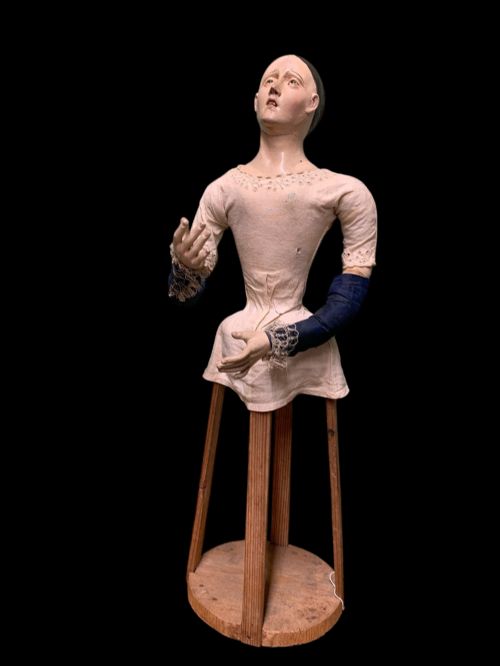
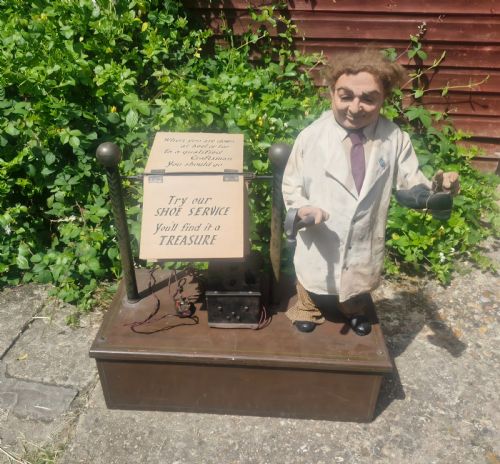
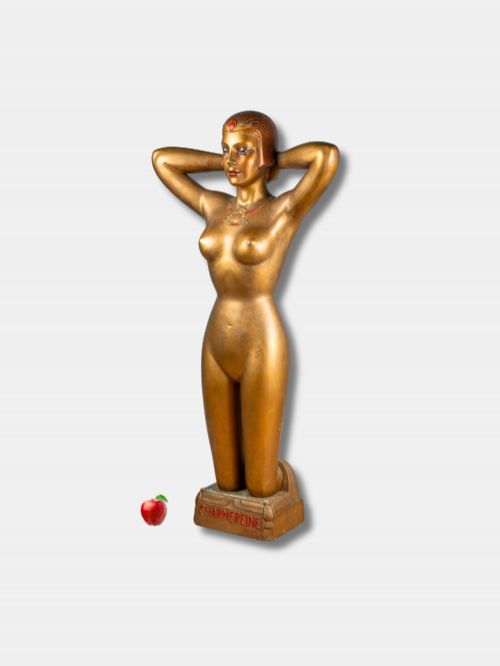
Alongside standard dressmaker forms, the category includes unusual display pieces such as millinery heads, advertising figures, glove moulds, and processional figures like Santos and Capipote statues. These sculptural objects combine utilitarian function with distinct artistic style, showing influences from Edwardian elegance, Art Deco geometry, and folk art traditions.
Materials and construction
Makers utilised a diverse palette of materials depending on the intended function and period of the piece. Wood is prominent, appearing as carved timber in fully articulated artist lay figures, millinery heads, and trade signs. Metal, canvas, linen, fabric, plaster, terracotta, and composition materials also form the bodies and structural elements of these figures.
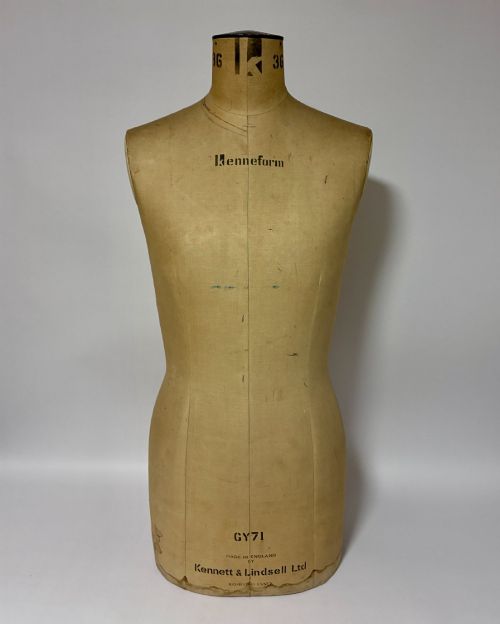
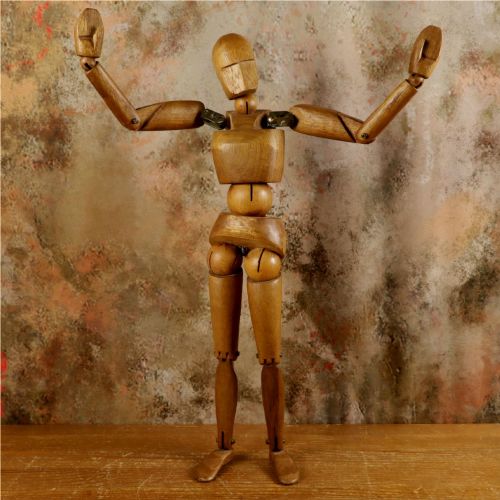
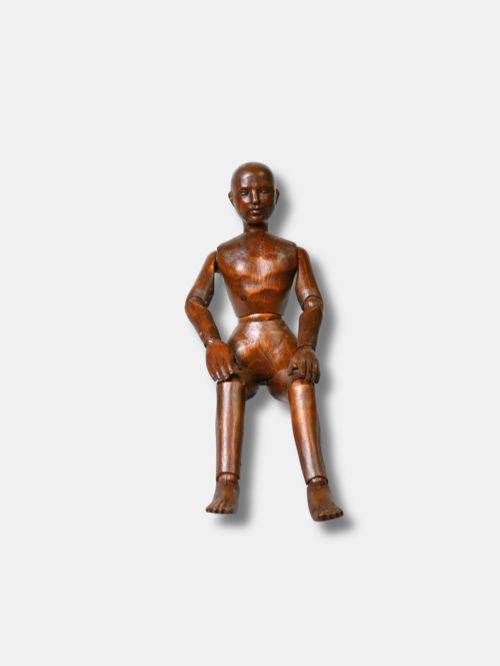
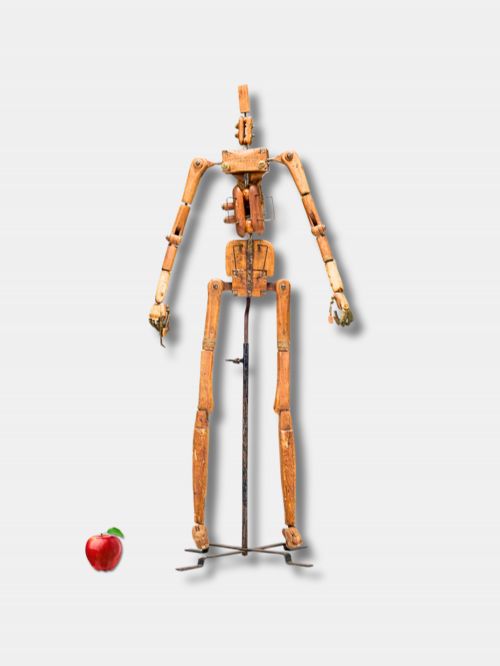
Techniques varied widely between fine carving and industrial manufacture. Sculptors hand-carved wooden figures with movable joints using pegs and hinges to mimic human articulation. Tailor's dummies and dressmaker stands relied on padded linen or canvas stretched over internal frames, while advertising figures utilised moulded plaster, terracotta, and painted composition.
Antique Mannequin Retail Price Guide 2026
Typical asking prices for mannequin among the pieces listed under this phrase on Sellingantiques today, from the lower quarter to the upper quarter. They describe what is for sale here now, not the wider market.
A stoic fox terrier advertising figure stands ready to guard the window display.
Distinctions in quality
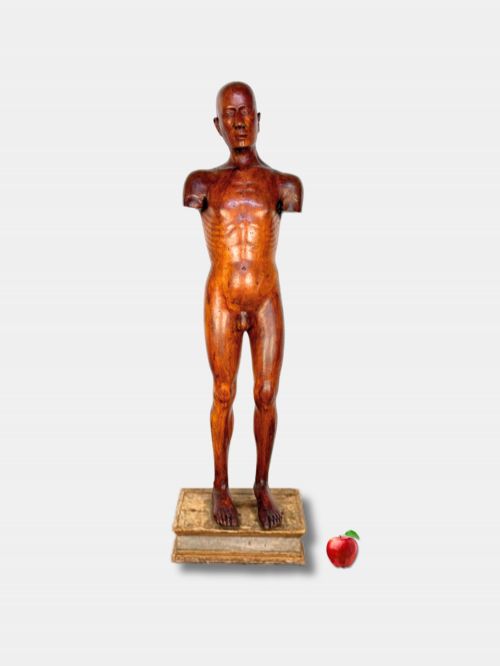
Quality in these pieces rests upon the fidelity of human proportion, the articulation of joints in wooden figures, and the expressive detail of carved faces or hands. Master carvers achieved fluid movement and anatomical accuracy in artist models, whereas commercial pieces prioritized sturdy construction for retail display.
The preservation of original surface finishes - such as aged paint, worn linen, and authentic patination - distinguishes superior examples. Pieces bearing maker stamps or originating from known Parisian and London workshops carry greater documentary interest than unbranded studio items.
Charmereine·Francois-pierre Guillois·Stockman of Paris
The Antique Mannequin Glossary
- Artist lay figure
- A jointed wooden model used by painters and sculptors to study drapery and human anatomy. These figures feature articulated limbs held together by wooden or metal joints.
- Santos figure
- A carved wooden religious sculpture representing a saint, often dressed in real fabric garments. These figures were used in church processions and private devotions.
- Capipote
- A specific type of Spanish religious figure featuring a carved head and hands attached to a simple wooden framework designed to carry elaborate clothing.
- Dummy board
- A painted wooden figure cut to life-size silhouette, used historically as an interior decoy or shop display decoration.
- Millinery head
- A specialised form used for shaping and displaying hats and caps, fashioned from carved wood, plaster, or composition materials.
Antique Mannequin: Frequently Asked Questions
How were dressmaker dummies used?
Dressmaker dummies served as three-dimensional templates for fitting and altering garments in tailors' workshops and fashion houses.
Staff pinned fabrics directly to the padded canvas or linen exterior to construct clothing before final fittings.
What are Santos figures?
Santos figures are carved wooden religious statues originating from Catholic traditions, often designed to wear real fabric garments.
Craftsmen carved only the visible parts, such as the head, hands, and feet, attaching them to simple structural frames.
How do I date an antique mannequin?
Dating relies on identifying the materials, construction methods, and stylistic markers characteristic of specific periods like the Victorian or Art Deco eras.
Maker stamps, metal badges, and regional manufacturing techniques also help narrow down the decade of production.