





Antique Makeup Case
An antique makeup case brings portable vanity and refined pocket design to daily grooming through compacts and fitted boxes.
Antique Makeup Case
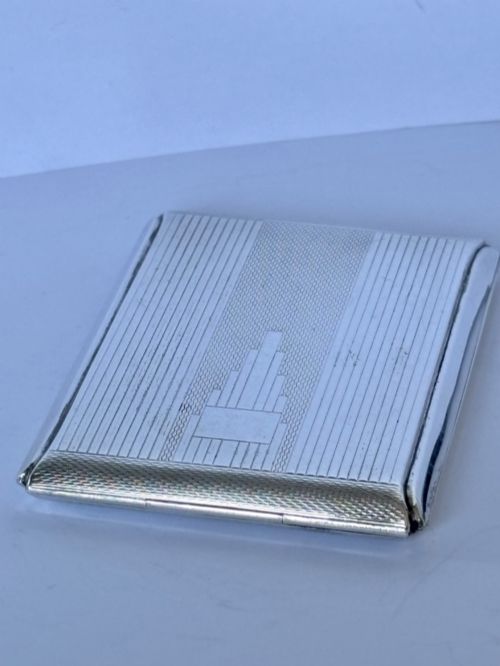
An antique makeup case encompasses powder compacts, vanity cases, and fitted boxes designed for personal grooming. Buyers seeking an antique makeup case will most frequently encounter portable powder compacts and vanity pieces rather than large furniture. These items originate from periods spanning the early twentieth century through the nineteen fifties.
The selection ranges from early twentieth-century Edwardian dressing tables with fitted vanity boxes to Art Deco pieces featuring intricate metalwork. Chinese export silver and Persian silver examples provide alternative stylistic interpretations alongside Mid-Century Italian designs. Each object serves the dual purpose of cosmetic storage and decorative personal accessory.
Art Deco examples dominate the selection, often taking the form of ladies powder compacts and combination compacts. Pieces from this geometric style utilise chrome, enamel, and mesh alongside traditional metals. Simpler vanity cases and specialised compacts complete the range of items found within this classification.
Materials and construction
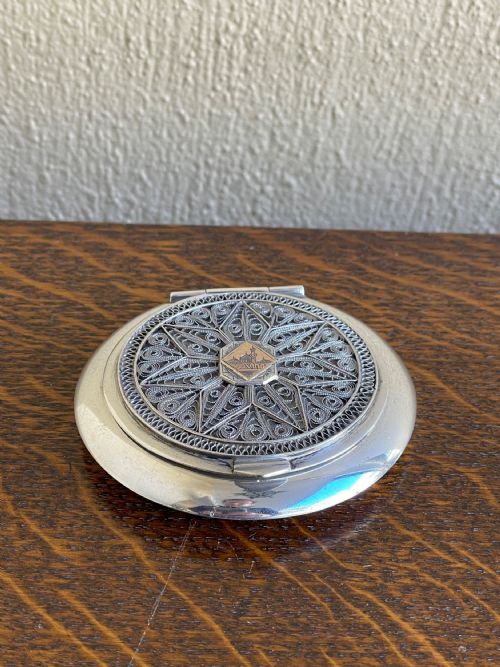
Metals form the structural foundation of these pieces, utilising sterling silver, yellow gold, brass, chrome, and gilt metal. Silversmiths and metalworkers shaped these materials into hinged cases, mesh pouches, and intricate filigree lids. Precious gems such as rubies and diamonds occasionally accent the most luxurious gold and silver commissions.
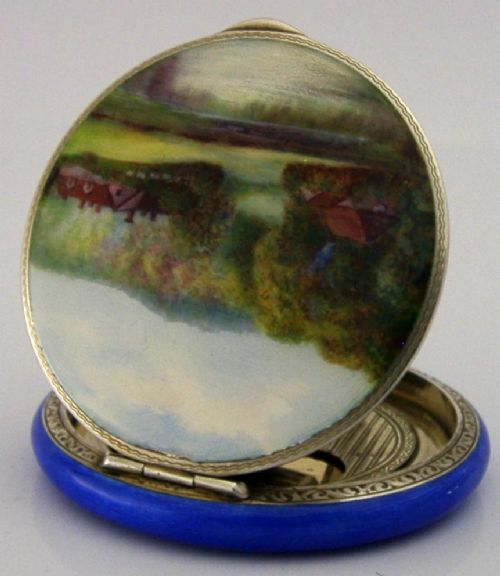
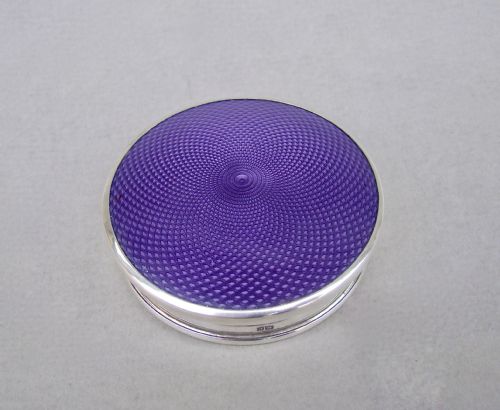
Enamel and Bakelite introduce colour and texture to the metal framework. Artisans applied hand-painted enamel designs to silver and metal surfaces, creating vibrant visual patterns particularly associated with the Art Deco period. Suede linings provide soft internal protection for mirrors and powder compartments.
Antique Makeup Case Retail Price Guide 2026
Typical asking prices for makeup case among the pieces listed under this phrase on Sellingantiques today, from the lower quarter to the upper quarter. They describe what is for sale here now, not the wider market.
Compact lids designed to house two distinct facial expressions remind us that nineteenth-century glamour possessed a sense of humour.
Markers of distinction
The sophistication of the metalwork and the complexity of the decorative scheme separate standard items from exceptional examples. Fine filigree, hand-painted enamel scenes, and precious gemstone embellishments indicate superior craftsmanship and workshop pedigree. Maker attribution to notable firms elevates the standing of an individual piece.
Material selection plays a primary role in defining quality across the range. Sterling silver and solid yellow gold bodies command greater regard than plated brass or standard chrome. The preservation of original internal elements, such as suede linings and specialised mirrors, maintains the integrity of the design.
Mappin And Webb·Giuliano Spinelli Florence·Cartier·Richard Hudnut
The Antique Makeup Case Glossary
- Sterling Silver
- A silver alloy containing substantial pure silver combined with copper for durability. This material frequently serves as the base for fine compacts and vanity cases.
- Bakelite
- An early synthetic plastic known for its durability and rich colour potential. It appears in twentieth-century decorative accessories and container components.
- Filigree
- Delicate openwork metal wire soldered together to form intricate patterns. This technique frequently decorates the lids of silver powder compacts.
- Enamel
- A glassy substance fused to metal surfaces through high-temperature firing. It provides smooth, colourful decoration across many Art Deco pieces.
- Dressing Table
- A piece of furniture equipped for personal grooming and cosmetics. Edwardian examples sometimes incorporate fitted vanity boxes into their design.
Antique Makeup Case: Frequently Asked Questions
What is an antique makeup case?
An antique makeup case is a portable container designed for cosmetics, typically taking the form of a powder compact, mesh bag, or vanity case. These items were carried in handbags or displayed on dressing tables during the early and mid-twentieth century.
They reflect the changing fashions of grooming and cosmetic use across the Edwardian and Art Deco periods. Materials range from simple chrome and enamel to solid gold set with precious stones.
How do I date an Art Deco compact?
Art Deco compacts are generally dated between the nineteen twenties and nineteen thirties through their geometric motifs and material choices. The integration of chrome, blue enamel, and stylized figures points directly to this era.
Maker marks and silver hallmarks stamped inside the case can provide more precise chronological markers. Registered design numbers also help confirm the exact year of production.
How were these cases used?
These cases were carried by women for social outings to maintain their makeup throughout the day or evening. They held loose powder, mirrors, and sometimes coins or cards in combination compartments.
At home, they sat upon dressing tables alongside larger fitted vanity boxes. Their dual function as cosmetic tools and fashion accessories made them essential personal items.