

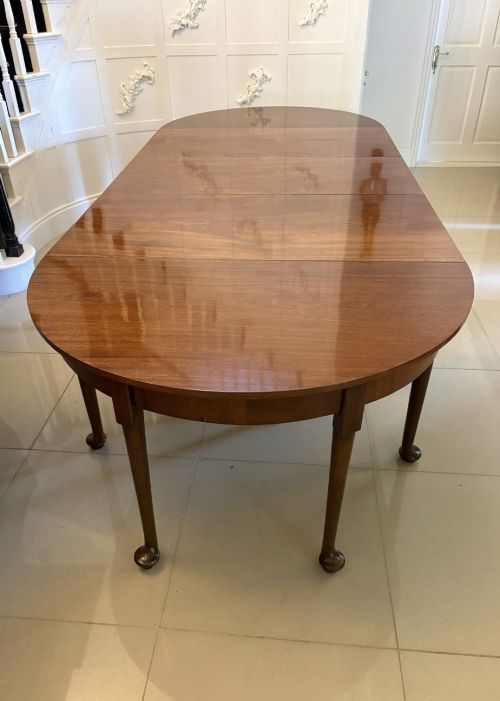
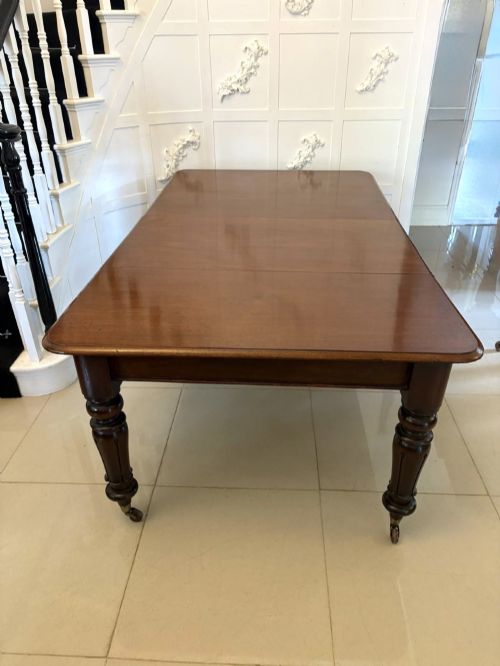
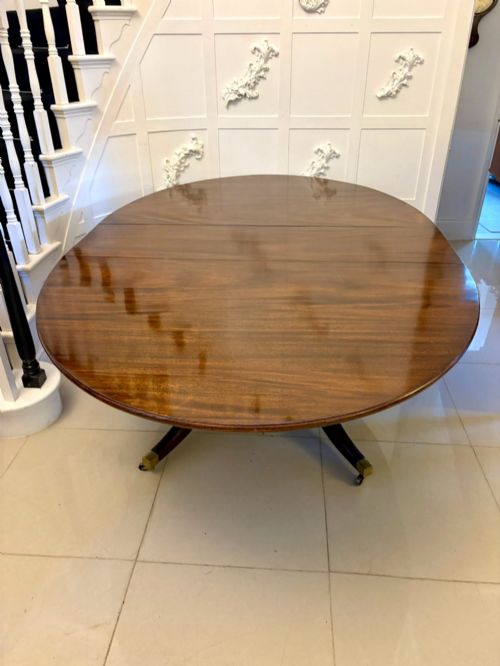
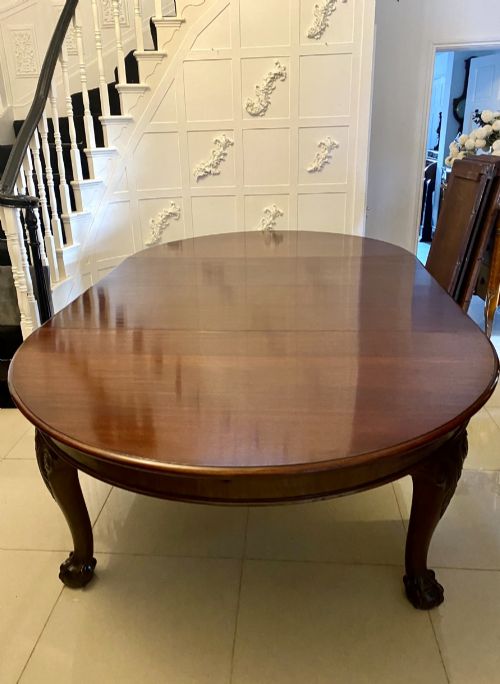
Antique Mahogany Extendable Table
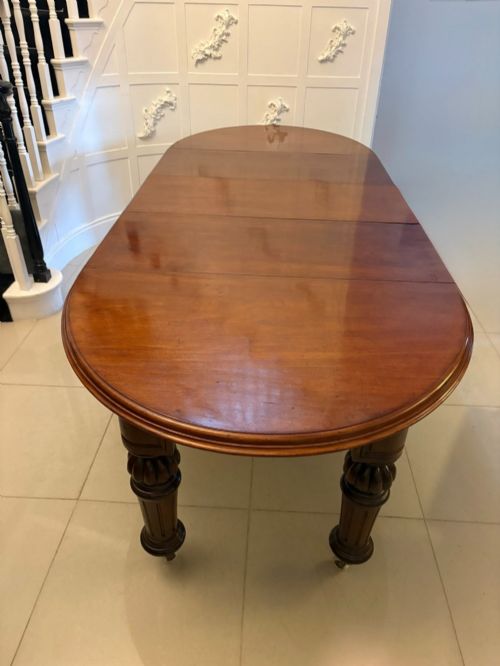
An antique mahogany extendable table brings people together for dinner, resting on solid timber pillars or legs built to host grand gatherings.
Antique Mahogany Extendable Table
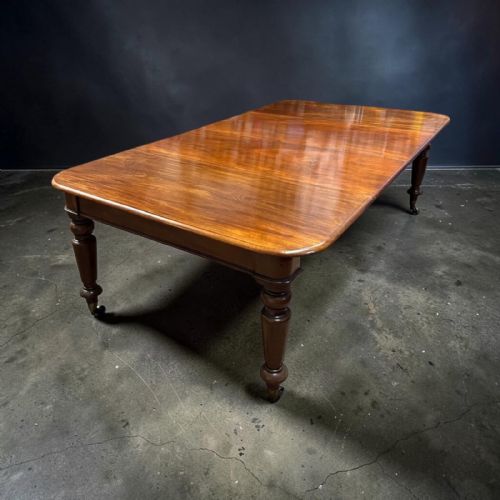
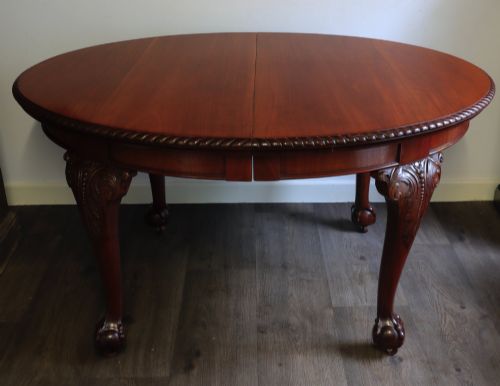
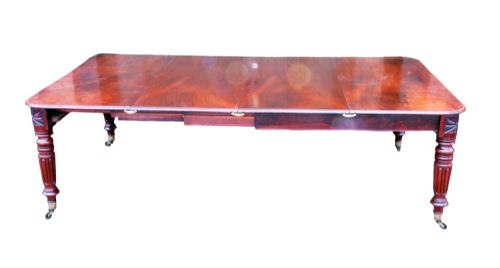
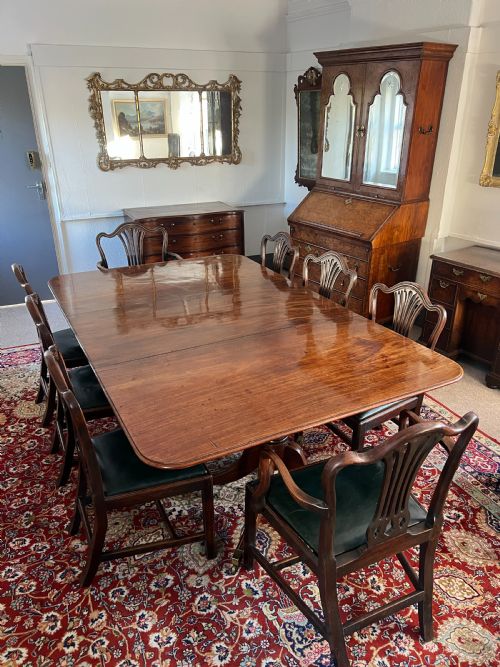
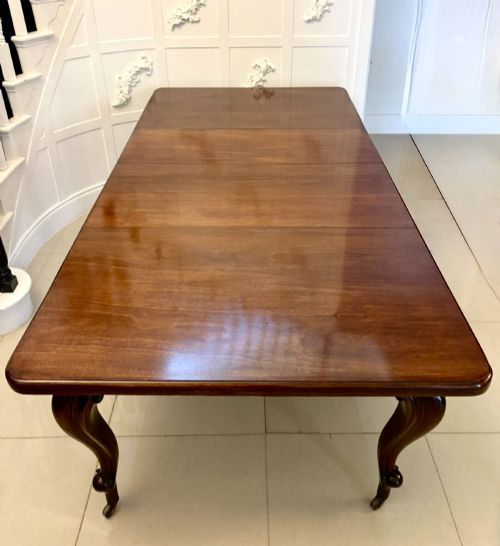
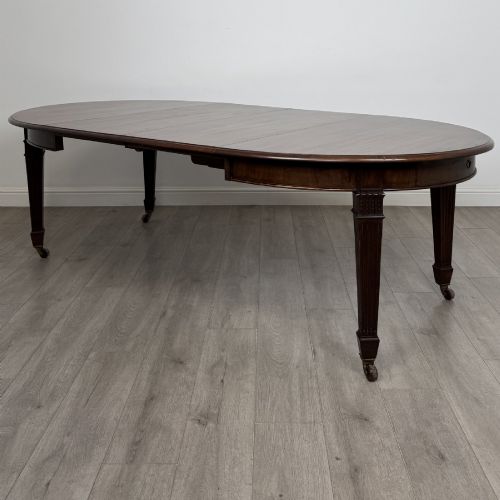
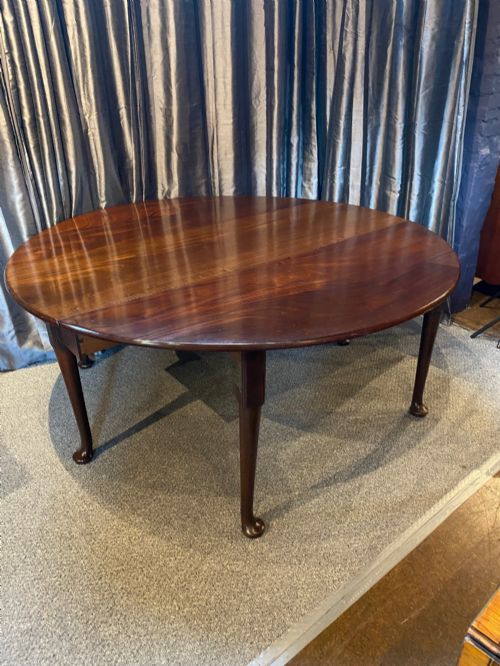
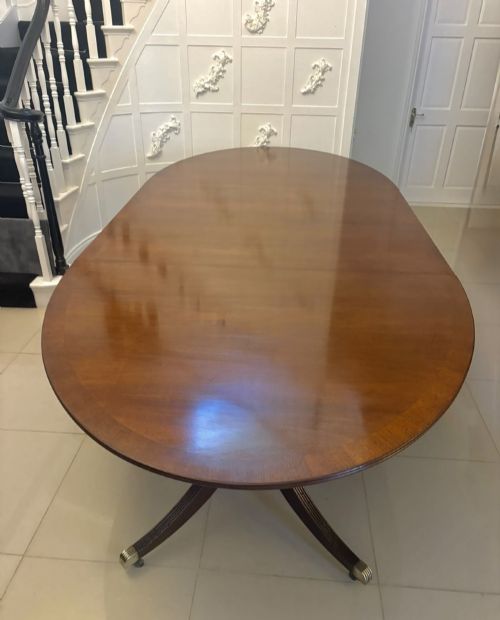
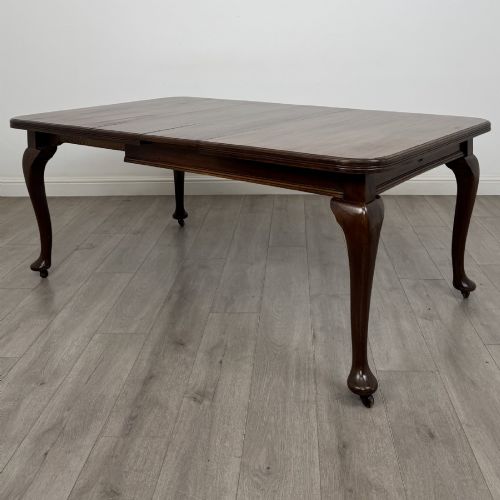
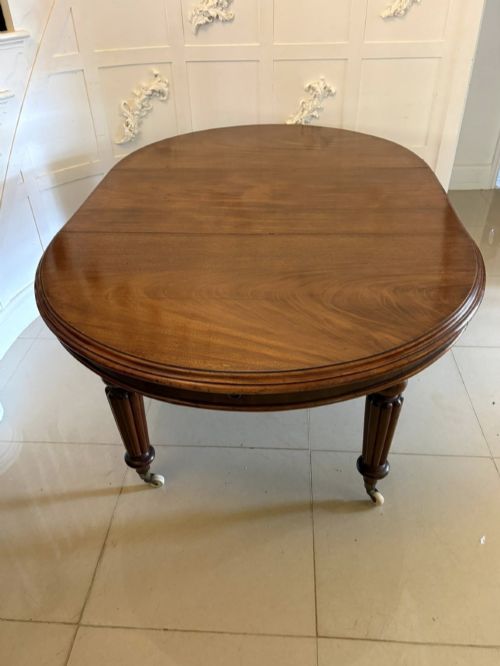
An antique mahogany extendable table takes many forms on this page, stretching from Georgian D-end designs and Regency twin or triple pillar tables to Victorian wind-out models and Edwardian drop-leaf pieces. Buyers searching for an antique mahogany extendable table typically meet large dining tables designed to seat ten to fourteen guests using removable leaves.
The periods span the eighteenth century through to the Edwardian era, incorporating revival styles such as Chippendale and Grand Regency alongside genuine period pieces. Makers utilised sturdy gate-leg formats, Pembroke tables, and breakfast tables alongside major extending dining suites.
Materials and Construction
The timber framework relies on solid mahogany and figured mahogany veneers, often enhanced with satinwood details, brass fittings, and castors to support heavy extending mechanisms. Tables frequently incorporate winding screws, drop-leaf hinges, and multiple extra leaves that slot securely into the centre.
Support structures range from single pedestals and twin pillars to triple pedestals, cabriole legs, and fluted legs. Upholstery fabric, ceramic, and gold leaf appear alongside metal fittings to complete the structural and decorative finish.
Antique Mahogany Extendable Table Retail Price Guide 2026
Typical asking prices for mahogany extendable table among the pieces listed under this phrase on Sellingantiques today, from the lower quarter to the upper quarter. They describe what is for sale here now, not the wider market.
Listings feature mahogany extending dining tables spanning the eighteenth century, Regency period, Victorian era, and Edwardian decades.
Gradations of Quality
Quality rests in the selection of figured mahogany timber and the precision of the extending mechanism, whether operated by a patented winding action or traditional drop leaves. Superior pieces display finely carved pedestals, balanced proportions, and seamless alignment when all leaves are inserted.
The integrity of the brass castors, the stability of the pillar mounts, and the matching grain of the extra leaves separate workshop masterpieces from standard domestic furniture.
Thomas Butler·William and Gibton·Wylie and Lochead
The Antique Mahogany Extendable Table Glossary
- D-End
- A table end shaped in the form of a capital letter D, often used in pairs to form the ends of an extending dining table.
- Wind Out
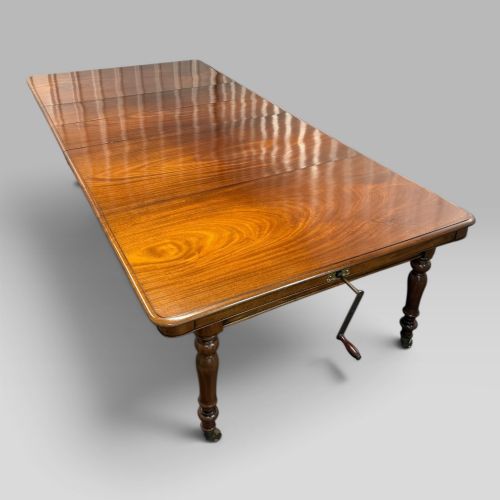
- An extending mechanism operated by a handle and internal screw gear to separate the table halves for inserting leaves.
- Pedestal
- A central timber support pillar, often split into twin or triple configurations on larger dining tables.
- Pembroke Table
- A small rectangular table with hinged flaps on opposing sides, supported by folding or swinging brackets.
- Figured Mahogany
- Timber cut to reveal distinctive grain patterns, highly prized for table tops and polished surfaces.
Antique Mahogany Extendable Table: Frequently Asked Questions
How do extending leaves work?
Extending mechanisms generally rely on a winding handle that turns an internal screw thread to pull the table halves apart. Once separated, additional timber leaves slot directly into the open centre.
Older examples utilise simple drop leaves or pull-out rails that support loose leaves resting securely on top.
How many people do these seat?
Seating capacity varies from compact four-seat Pembroke formats to grand dining tables accommodating ten, twelve, or fourteen guests. The exact number depends on the presence and quantity of extra leaves.
Larger triple pillar models easily host expansive dinner parties once fully extended.
How do I identify a Georgian table?
Georgian tables date from the eighteenth and early nineteenth centuries, featuring classic proportions, D-end configurations, and restrained mahogany or figured mahogany surfaces. Patent extending actions often bear the marks of contemporary cabinet makers.
Pedestals on these pieces display hand-carved details and heavy brass castors.
How should I care for the surface?
Polished mahogany requires regular dusting with a soft cloth and occasional treatment with quality beeswax to nourish the timber grain. Avoid placing hot dishes or liquids directly onto the wood to prevent marking the polish.
Keep tables away from direct heat sources and strong sunlight to maintain the colour.