








Antique Mahogany Decor
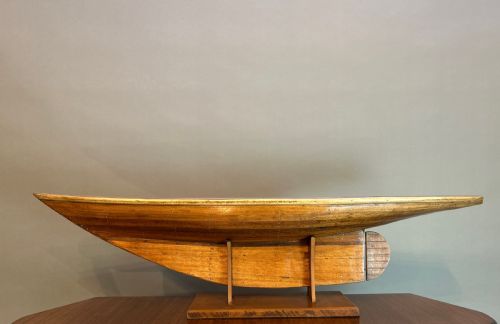
Antique mahogany decor brings rich timber grain and polished warmth into a room through mirrors, scoreboards, models, and scientific instruments.
Antique Mahogany Decor
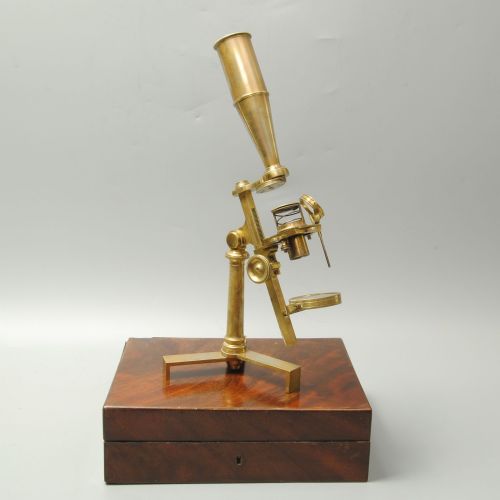
These pieces encompass a varied selection of antique mahogany decor, ranging from nineteenth-century wall mirrors and scientific instruments to billiards scoreboards and maritime models. Buyers looking for this aesthetic will frequently encounter Victorian and Georgian items designed for utilitarian or decorative purposes.
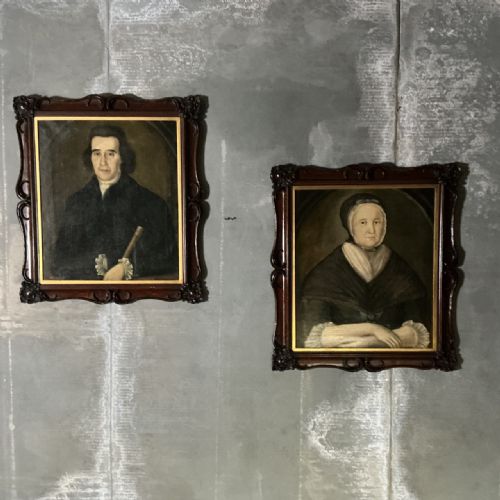
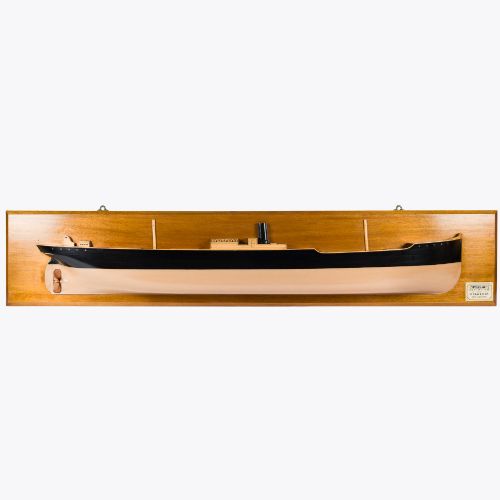
The assortment includes framed prints, ship builders half hull models, globes, and carved plaques. Each object reflects the dense, dark grain of mahogany combined with functional brass fittings, glass, or paper components.
Materials and Construction
The primary material across these objects is solid mahogany, selected for its strength and deep reddish-brown tone, often paired with cast brass dials, hinges, or brackets. Woodwork is frequently turned, carved, or assembled to house delicate items such as barometers, thermometers, and glass inkwells.
Makers utilised traditional joinery and turning techniques to shape timber frames for mirrors, scoreboards, and roundels. Metal elements like brass indicators and glass lenses were integrated securely into the wooden housings to withstand daily use.
Antique Mahogany Decor Retail Price Guide 2026
Typical asking prices for mahogany decor among the pieces listed under this phrase on Sellingantiques today, from the lower quarter to the upper quarter. They describe what is for sale here now, not the wider market.
Listings feature items from the 18th Century through to the interwar period, combining mahogany with brass, glass, and canvas.
Assessing Quality
Quality in these items is determined by the crispness of the mahogany carving and the integration of secondary materials like brass and glass. Finer examples display precise turning on roundels and smooth mechanical movement in scoreboards and instruments.
The depth of the timber grain and the preservation of original surfaces distinguish superior items from simpler utilitarian pieces. Superior craftsmanship is evident where structural joinery remains tight and decorative brass components retain their original finish.
W. Grey & Co·Orme & Sons Manchester·Thomas Malby·Crunchley·Cox & Yeman London·Bianchi Ipswich·Palmer & Sons·Burroughes and Watts
The Antique Mahogany Decor Glossary
- Mahogany
- A durable tropical hardwood known for its reddish-brown colour and fine grain. It forms the structural and visual basis of these decorative pieces.
- Half Hull Model
- A three-dimensional wooden model representing one side of a ship's hull. Shipbuilders used these to design vessel shapes.
- Scoreboard
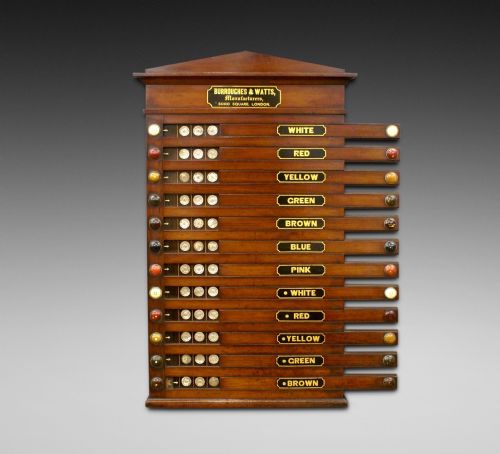
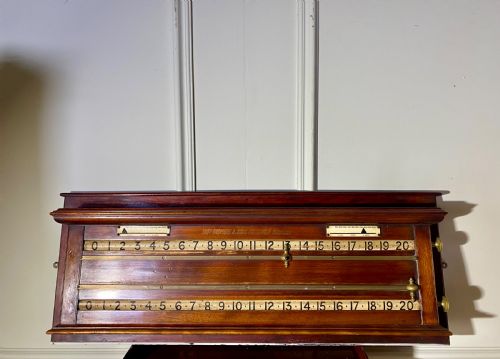
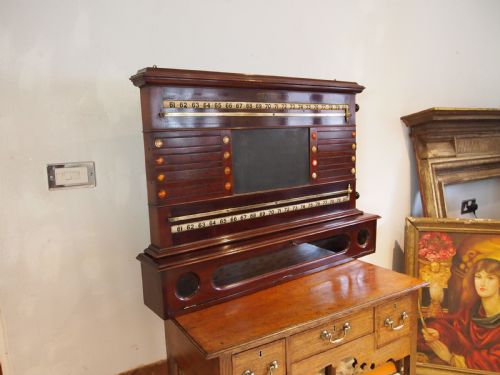
- A mechanical board featuring sliding markers or dials used to keep score in games like billiards and snooker. These often feature elaborate mahogany backboards.
- Roundel
- A circular decorative panel or medallion. Examples in this category include cast lead bronzed portraits set inside turned wooden frames.
- Barometer
- An instrument used to measure atmospheric pressure for forecasting weather. Antique versions typically feature carved wooden mountings and brass dials.
Antique Mahogany Decor: Frequently Asked Questions
What items fall under antique mahogany decor?
The category includes functional objects and wall decorations such as mirrors, scientific instruments, ship models, and game scoreboards. Most pieces date from the eighteenth to the early twentieth century.
These items combine dense timber frames with brass, glass, and paper elements, serving both decorative and practical roles in domestic settings.
How do I care for mahogany decor?
Keep wooden pieces away from direct sunlight and extreme temperature fluctuations to prevent the timber from drying out or splitting. Dust regularly with a soft cloth.
Avoid chemical polishes that build up residue on the wood surface, opting instead for occasional gentle treatment with appropriate natural wax.
How can I tell the period of these items?
Dating relies on stylistic cues, manufacturing techniques, and materials characteristic of specific eras like the Georgian or Victorian periods. Mechanical components and typeface designs on dials also offer chronological clues.
Examining the construction methods used on the timber frame helps distinguish eighteenth-century craftsmanship from later twentieth-century production.