
Antique Mahogany Chest Box
These antique mahogany chest box examples range from compact tea caddies to large military travelling trunks, offering disciplined storage rooted in Georgian and Victorian craftsmanship.
Antique Mahogany Chest Box
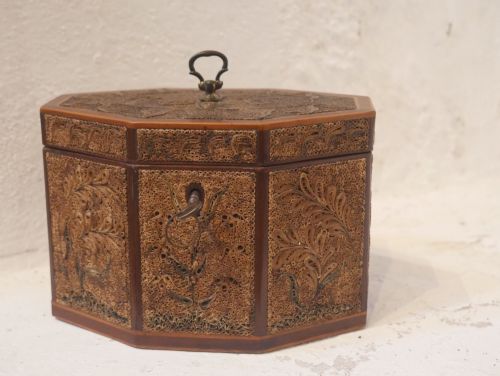
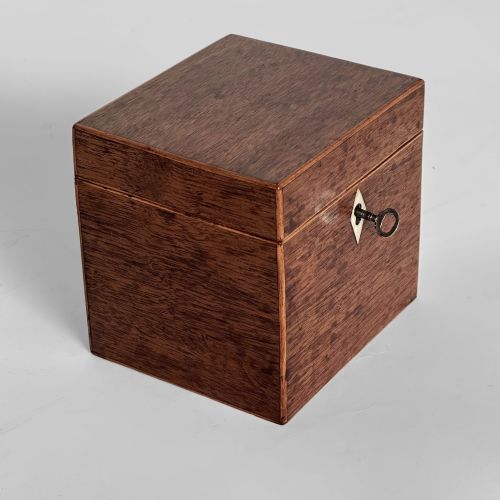
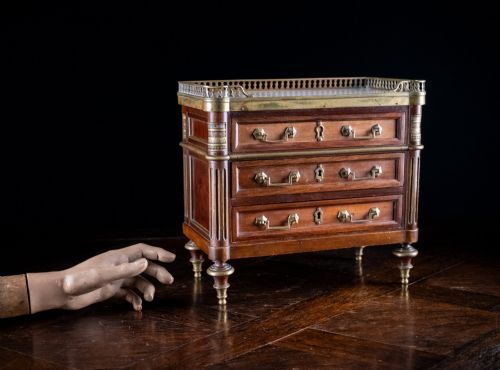
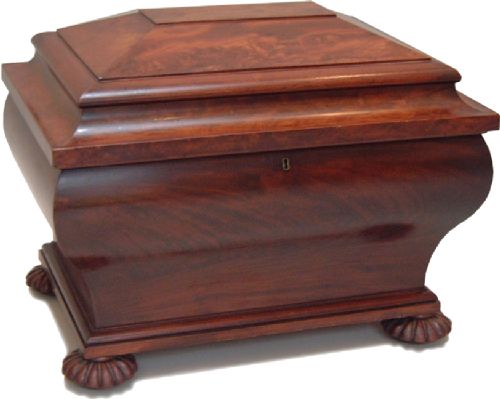
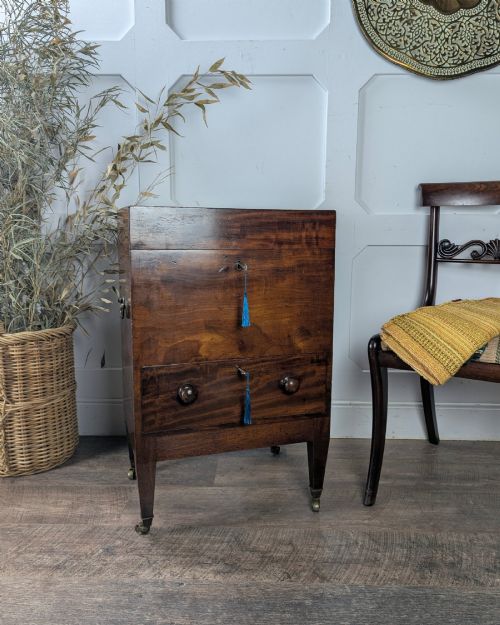
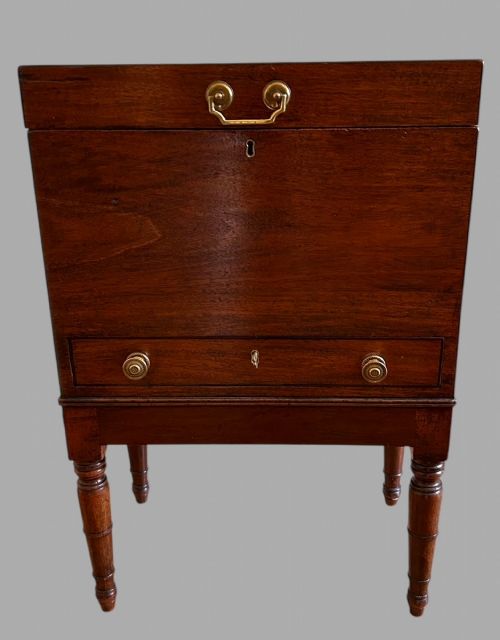
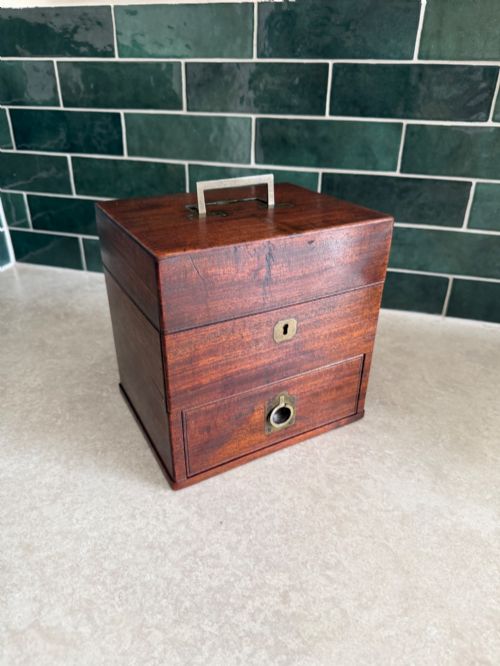
When searching for an antique mahogany chest box, buyers encounter a diverse array of functional vessels spanning tea caddies, document boxes, cellarettes, and miniature drawer chests. The selection draws heavily from Georgian, Regency, and Victorian periods, reflecting an era when personal valuables required secure, compartmentalised storage.
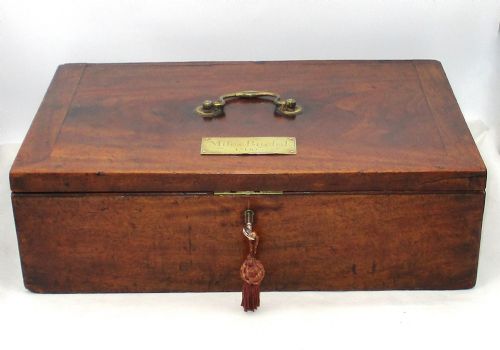
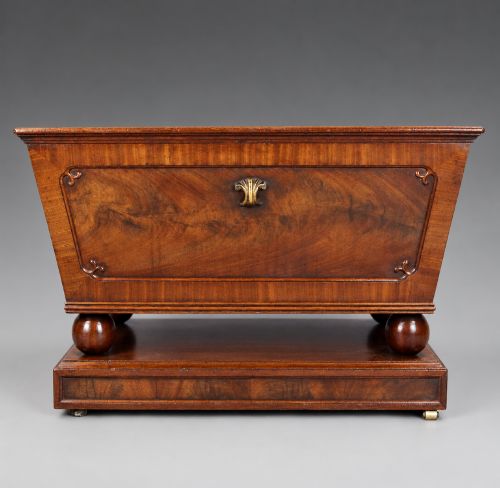
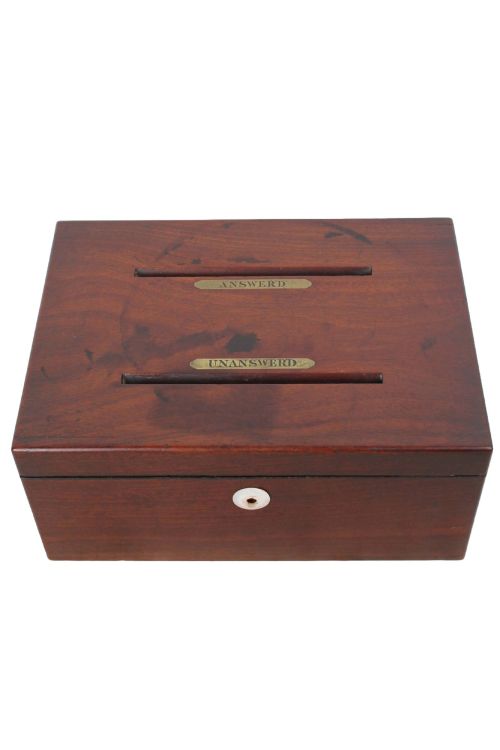
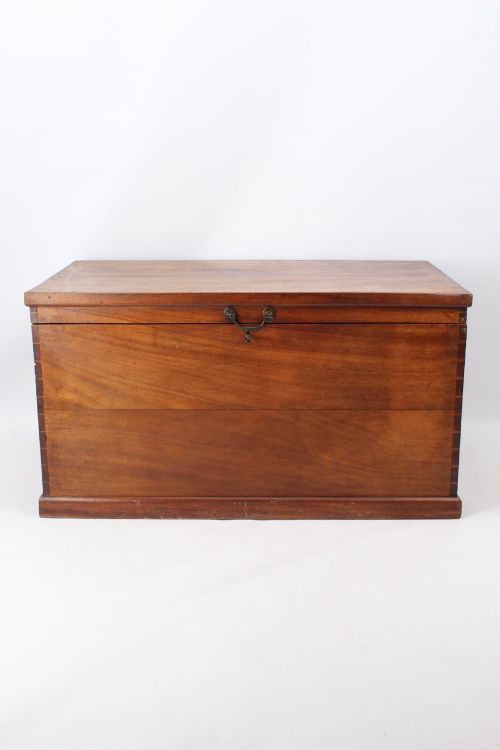
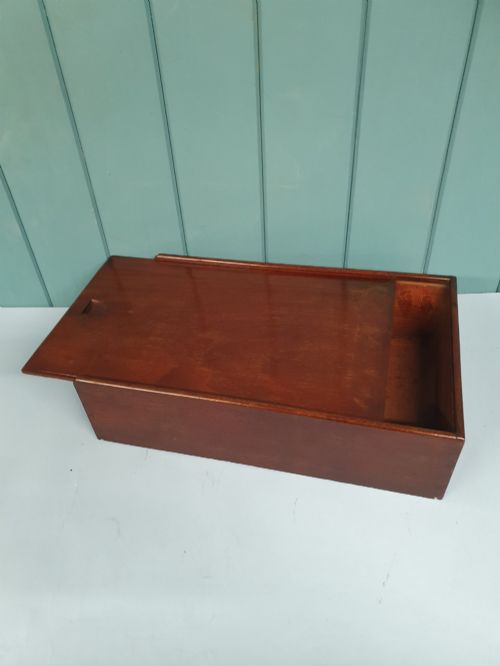
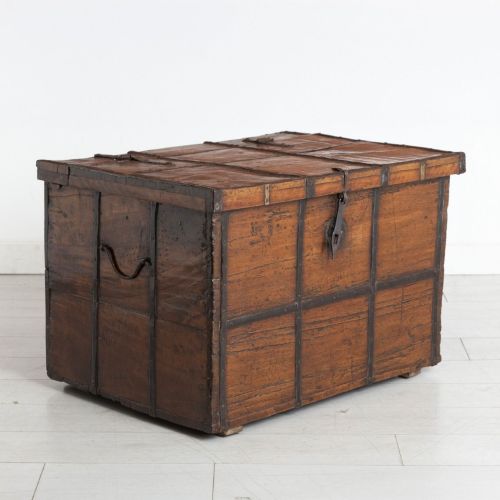
The forms vary from simple sliding lid document boxes dated around eighteen hundred to imposing brass-bound military travelling chests and sarcophagus-shaped wine coolers. Smaller tabletop boxes intended for jewellery or correspondence sit alongside substantial floor-standing blanket boxes and trunks.
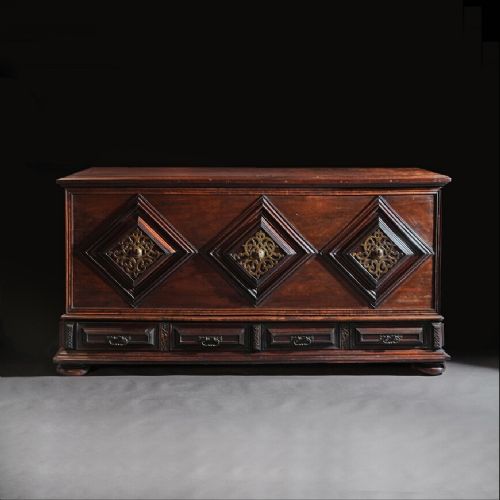
Colonial influences also surface through Portuguese Colonial and Anglo-Indian variants, introducing alternative hardwoods alongside traditional mahogany. Buyers most frequently meet domestic storage vessels designed for tabletop use or heavy utility transportation.
Distinctions in Quality
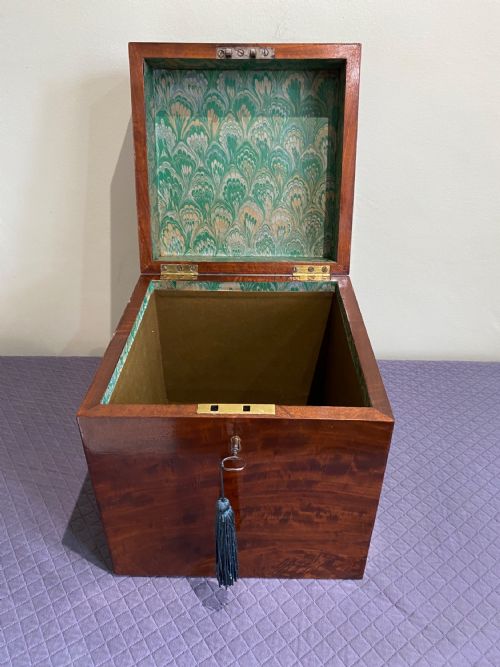
The upper tier of these pieces distinguishes itself through the careful selection of timber figures, such as symmetrical flame mahogany grain, matched accurately across lids and drawer fronts. Superior execution shows in the precision of flush-fitting brass hardware, dovetailed internal compartments, and original locking mechanisms complete with working keys.
Lower quality examples often reveal simpler construction, plain straight-grained timber without decorative banding, or replaced interior fittings that disrupt the original utility. The presence of integrated secret drawers or complex compartmentalisation marks the dividing line between standard utilitarian storage and higher-status craftsmanship.
Listings feature mahogany combined with materials like brass, bone, paper, metal, iron, oak, and satinwood across Georgian and Victorian periods.
Edwards and Roberts
The Antique Mahogany Chest Box Glossary
- Cellarette
- A lockable container designed to hold bottles of wine or spirits, typically standing on legs or resting on the floor during the Georgian and Regency periods. They frequently incorporate lead linings or internal divisions for bottles.
- Teapoy
- A small stand or box specifically made to store tea, which was an expensive commodity in the eighteenth and nineteenth centuries. These often feature internal caddies and mixing bowls.
- Apprentice piece
- A finely made miniature item, such as a small chest of drawers, created by a craftsman to demonstrate skill level to a guild. They replicate full-scale furniture with exact proportions.
- Crossbanding
- A strip of veneer applied across the grain of the main surface to create a decorative border, commonly seen on Georgian and Regency pieces. The grain runs perpendicular to the surrounding wood.
- Tantalus
- A locked wooden cabinet holding decanters visible through a wooden framework, designed to prevent servants or guests from accessing the contents without a key. They emerged during the Victorian period.
Antique Mahogany Chest Box: Frequently Asked Questions
What is the difference between a teapoy and a tea caddy?
A tea caddy is a smaller box designed to sit on a table or sideboard to hold loose tea leaves securely. They often include internal lidded canisters and sometimes a glass mixing bowl.
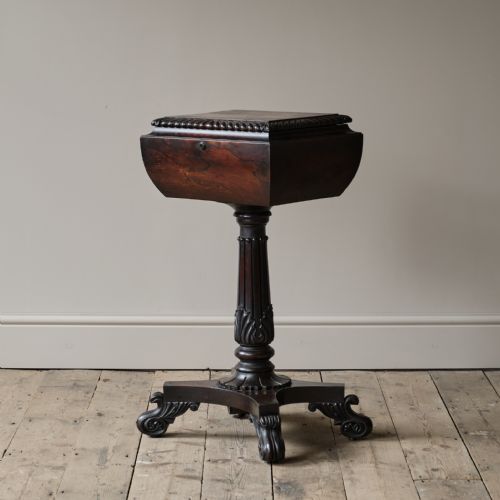
A teapoy is a larger, self-contained box mounted on its own pillar and tripod base or a small cabinet stand. These pieces elevated the tea service into a freestanding piece of drawing-room furniture.
How were apothecary boxes used?
Apothecary boxes served as portable pharmacies for doctors, travellers, or households during the eighteenth and nineteenth centuries. They contained a collection of glass bottles, scales, and mortars for mixing medicines.
Inside, the fitted wooden interiors kept fragile glass phials upright and safe during transport, often featuring secret compartments for poisons or valuable formulas.
Why do some boxes have brass banding?
Brass banding and corner brackets were applied to military travelling chests and campaign furniture to reinforce the joints against rough handling during transit. Officers needed durable storage that could withstand long sea voyages.
Over time, this utilitarian reinforcement became a popular decorative style, and civilian makers adopted brass inlays and bound corners for domestic use.