
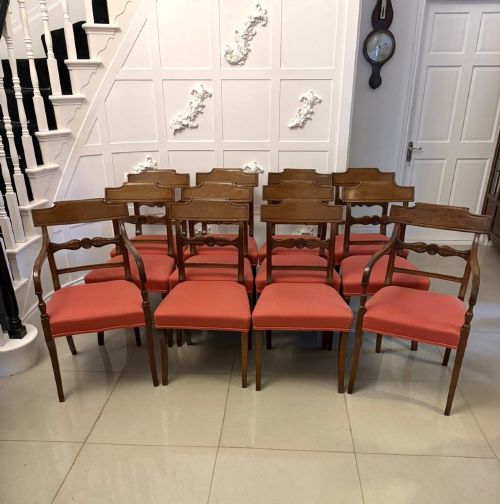
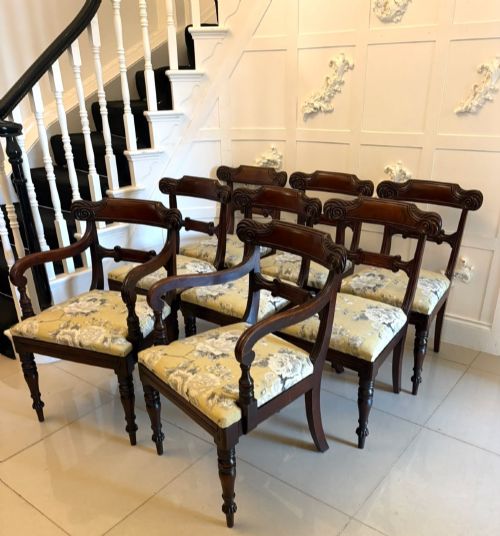
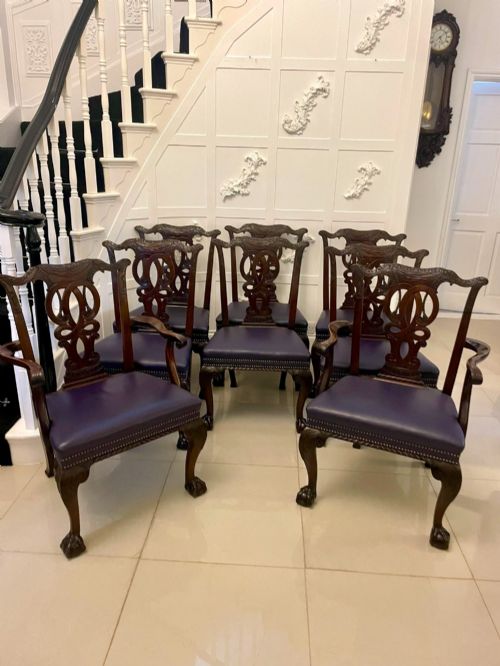
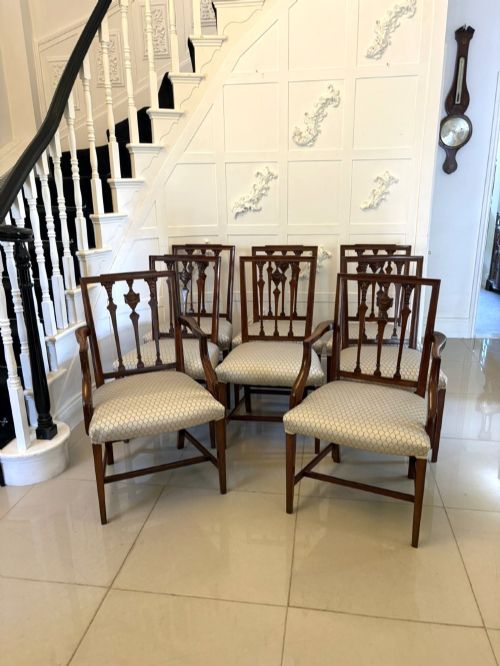
Antique Mahogany Carver Set
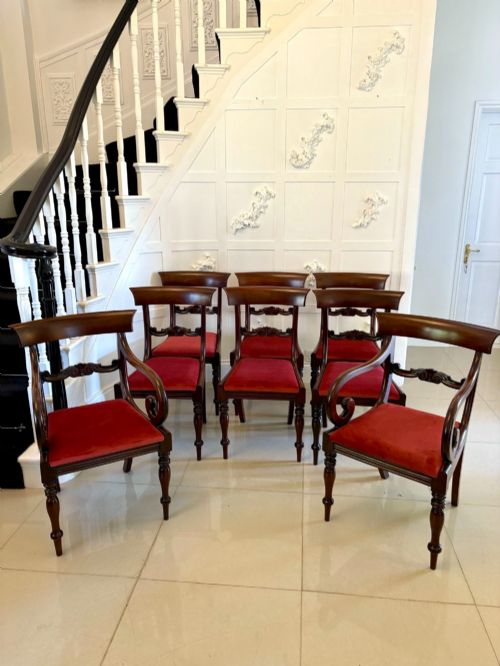
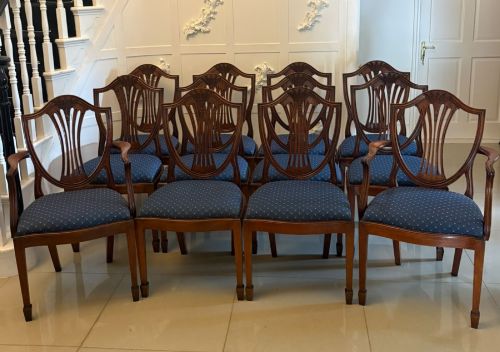
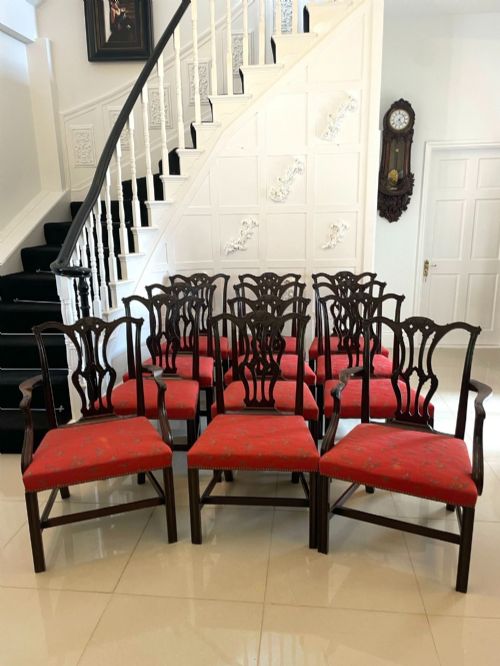
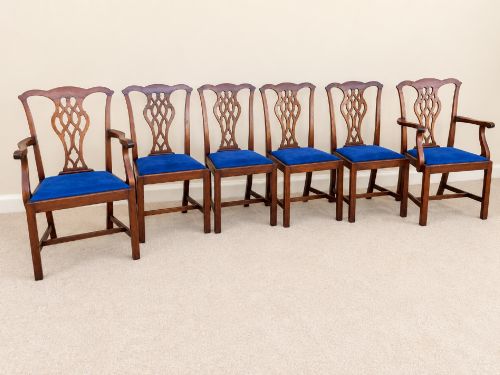
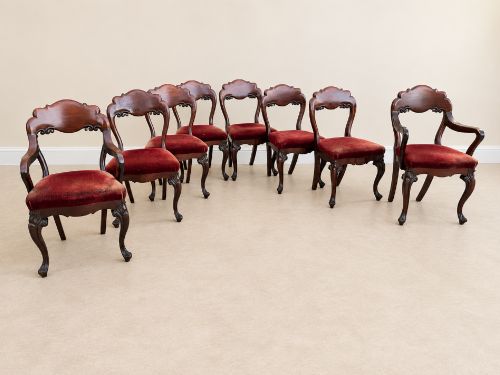
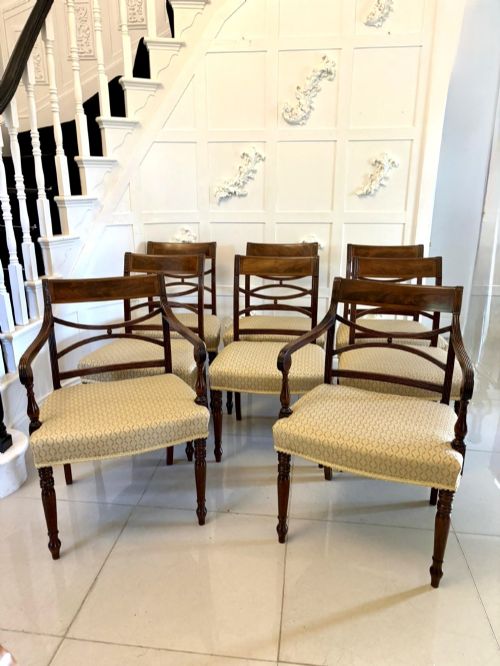
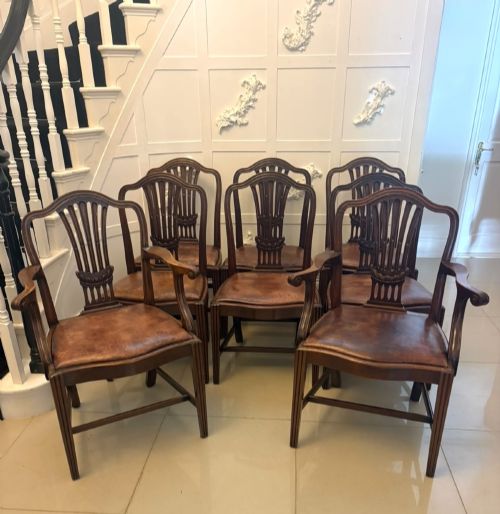
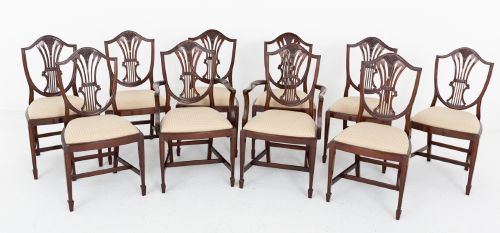
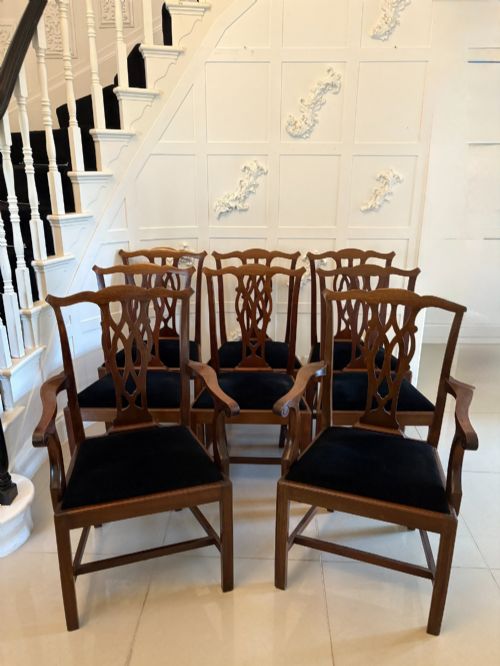
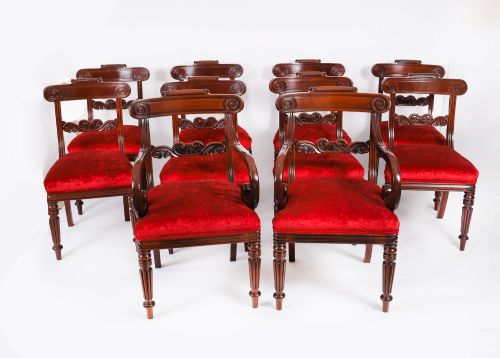
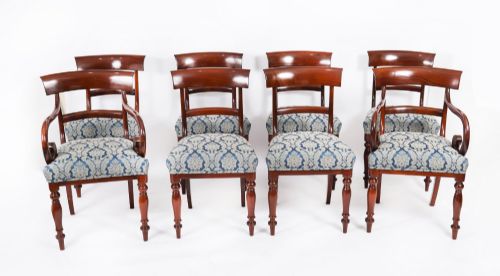
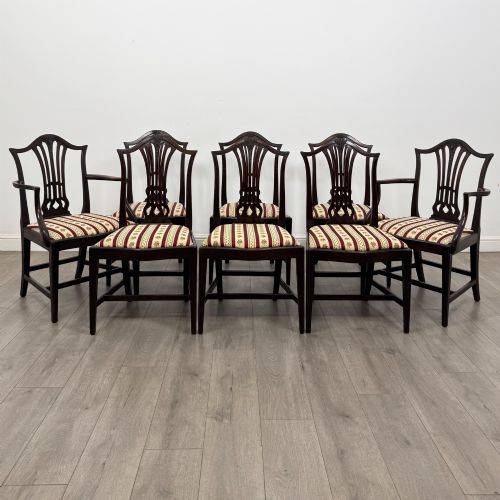
An antique mahogany carver set brings formal dining history to life with matching armchairs and side chairs crafted from rich timber.
Antique Mahogany Carver Set
When searching for an antique mahogany carver set, a buyer encounters matched collections of dining chairs that typically include a pair of armchairs alongside several single chairs. These groupings span multiple periods, ranging from 18th century George III and Regency eras through to Edwardian and later revival styles.
The configurations vary from sets of six up to twelve or more, designed to accommodate large dining tables. Many examples incorporate specific stylistic influences such as Chippendale, Hepplewhite, and Sheraton designs within their back splats and frame geometry.
On this page, the most common iterations combine solid mahogany frames with upholstered drop-in seats or cane seating. These collections reflect both period originals and subsequent revival periods from the early 20th century.
What Varies in Quality
The standard of carving determines much of the distinction between ordinary and exceptional sets, where crisp, deep relief work on the back splats demonstrates superior craftsmanship. The choice and figure of the mahogany timber itself also play a major role, with dense grain patterns and rich natural colour elevating the overall presence.
Originality of components, including matching carvers and untouched timber surfaces rather than heavily stripped frames, dictates the desirability of a collection. Consistency across the entire set - ensuring single chairs and armchairs share identical proportions and turning - separates harmonious suites from assembled harlequin groups.
Even the sturdiest Georgian carver has quietly watched a few too many after-dinner ports vanish into history.
Warings·Alfred Allen of Birmingham·Thomas Clarkson and Sons·Maple and Co
The Antique Mahogany Carver Set Glossary
- Carver
- An armchair designed with scrolling or open arms, traditionally positioned at the head of the dining table and matched to a set of single chairs.
- Shield Back
- A chair back shaped in the outline of a heraldic shield, popularised by designers like Hepplewhite during the late 18th century.
- Splat
- The vertical wooden slat positioned in the centre of a chair back, frequently carved in ribbon, ladder, or pierced geometric patterns.
- Harlequin Set
- A collection of dining chairs that are closely matched in style and period but were not originally manufactured as a single unified group.
- Cane Seat
- A seating surface woven from rattan or cane strips, offering a flexible and breathable alternative to upholstered pads.
Antique Mahogany Carver Set: Frequently Asked Questions
How many carvers come in a typical set?
Most standard dining collections include two armchairs accompanied by six, eight, or ten single chairs. Larger sets occasionally feature a single carver or a balanced pair.
Buyers often select the configuration based on the length of their dining table and the number of regular guests they seat.
What is the difference between George III and Regency styles?
George III pieces tend to feature classical geometric proportions with intricate pierced splats and straight or cabriole legs. Regency designs lean toward classical antiquity with sabre legs, brass inlay, and bold scroll arms.
Both periods utilise high-grade mahogany but express distinct aesthetic movements across their respective decades.
Can these chairs be used around a modern dining table?
Yes, many collectors mix period seating with contemporary tables to create a striking contrast in a dining room. The rich dark tones of mahogany complement both antique and modern interior schemes.
Seat heights should be measured against the table apron to ensure comfortable leg clearance.
How do I care for antique mahogany wood?
Regular dusting with a soft dry cloth helps maintain the finish without building up heavy wax layers. Direct sunlight and excessive heat sources should be avoided to prevent timber drying and splitting.
Applying a specialist furniture wax occasionally preserves the natural lustre of the polished wood.