

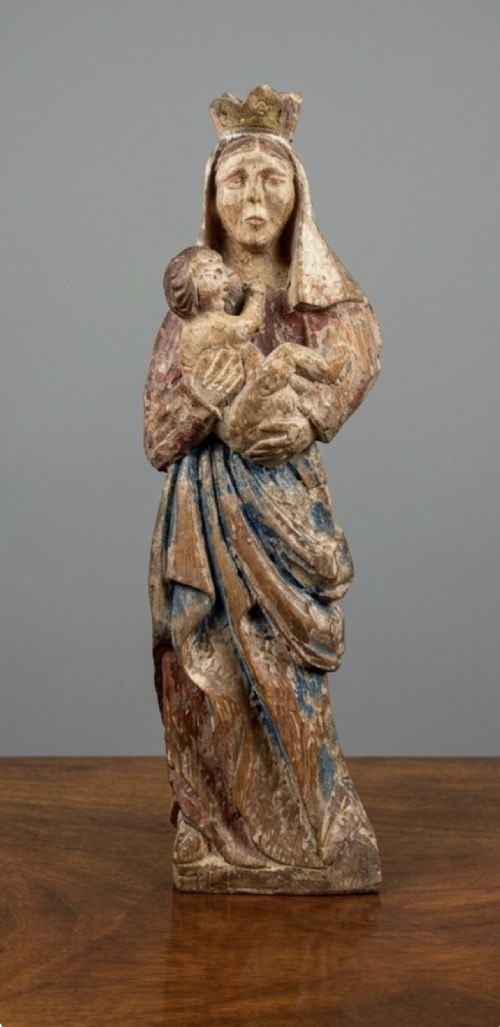


Antique Madonna Painting
An antique madonna painting brings centuries of devotional portraiture into your space, capturing the enduring reverence of the Virgin and Child.
Antique Madonna Painting
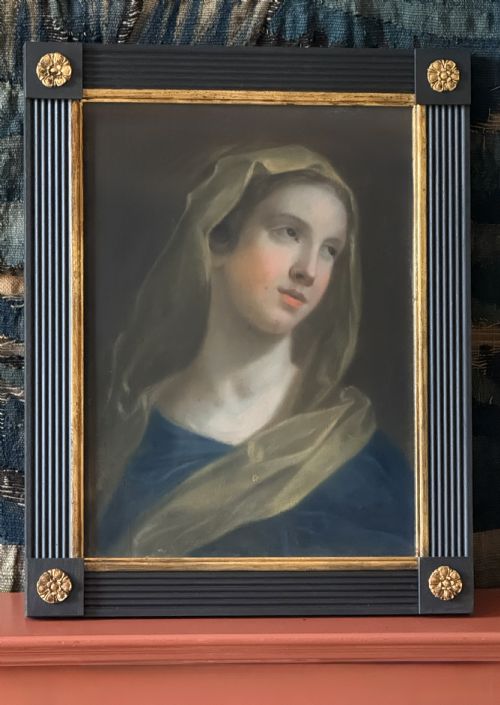
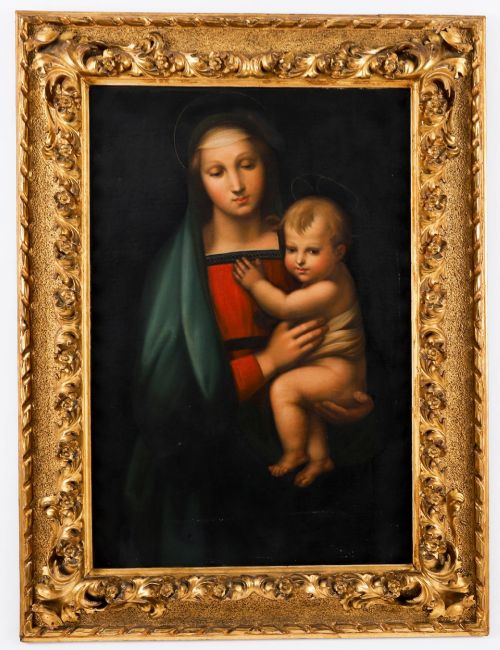
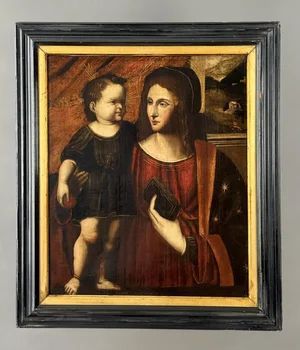
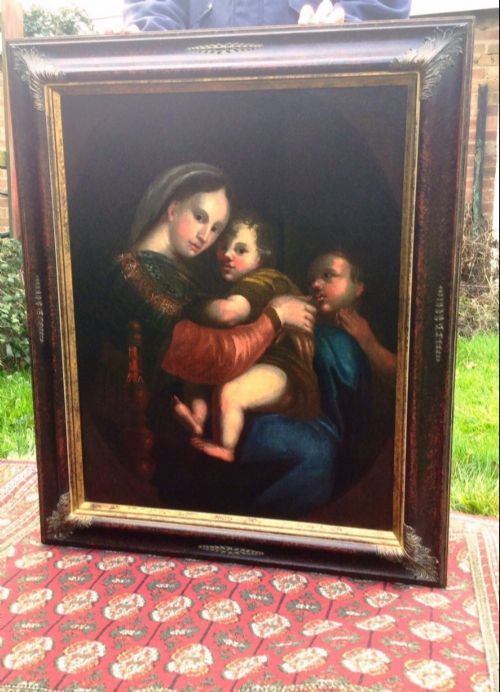
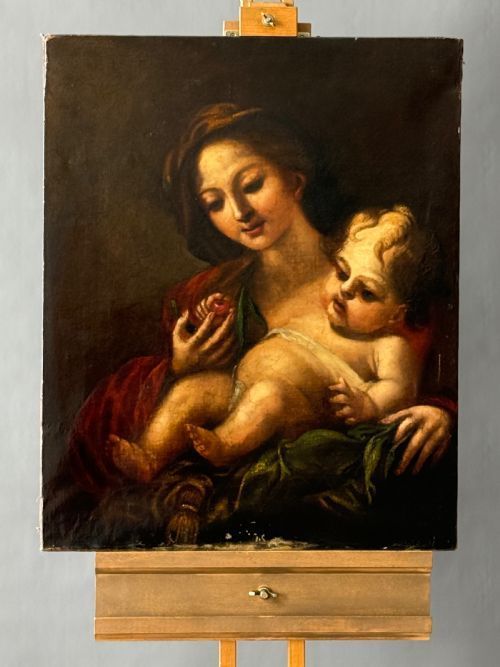
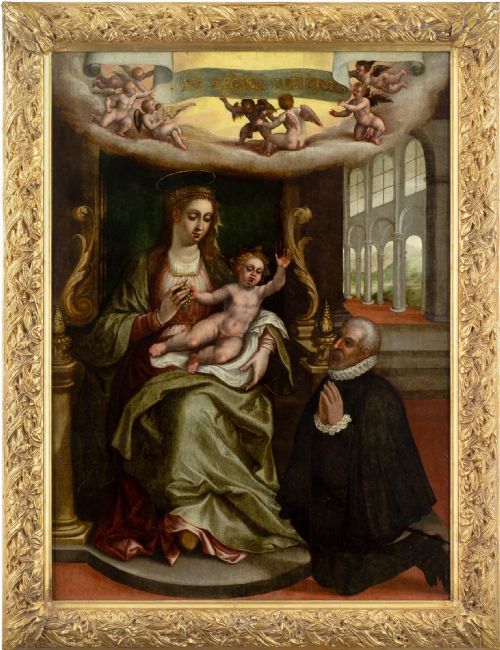
An antique madonna painting represents centuries of sacred portraiture depicting the Virgin Mary, frequently shown with the infant Christ. These works range from intimate devotional panels created for private prayer to large scale canvases echoing master compositions by Renaissance and Baroque painters.
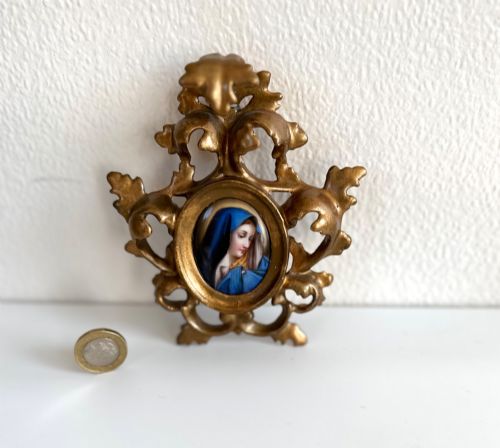
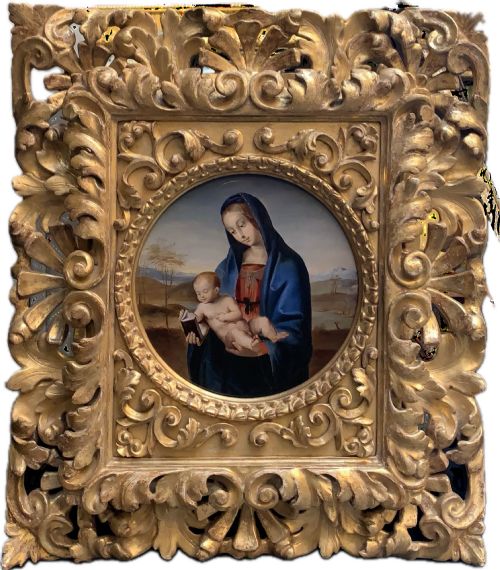
The pieces you encounter most often on this page include 18th century European canvases, 17th century Italian old masters, and later 19th century interpretations following Raphael. Alongside traditional oil paintings, you will find pastel works, ceramic plaques, miniatures, and carved wooden figures representing the same devotional subject.
Materials and Construction
Painters of these sacred subjects typically worked with oil paint on stretched canvas or prepared wood panels, such as fruitwood. Grounds often incorporated gesso to prepare the surface for fine brushwork, while select works utilised gold leaf to accent sacred elements.
Beyond direct painting on canvas and panel, artisans also produced devotional plaques in ceramic and porcelain, miniature portraits on delicate supports, and carved wooden or terracotta figures finished with polychrome paint.
Antique Madonna Painting Retail Price Guide 2026
Typical asking prices for madonna painting among the pieces listed under this phrase on Sellingantiques today, from the lower quarter to the upper quarter. They describe what is for sale here now, not the wider market.
Listings feature oil paintings on canvas and wood panels, alongside ceramic plaques, watercolours, and carved wooden figures from the sixteenth to the twentieth century.
Assessing Mastery and Execution
The distinction between ordinary workshop pieces and exceptional works lies in the confidence of the brushwork and the expressive depth of the figures. Finer examples capture subtle nuances in the facial expressions of the Madonna and Child, demonstrating a secure understanding of light, shadow, and anatomical proportion.
Material preparation and framing also influence the overall character of a piece. Works executed on stable wood panels with well preserved gesso grounds, or oils on robust canvas housed in period giltwood frames, display a greater integrity of craftsmanship.
Bernardino Luini·Benedetto Luti·Miguel Barroso·Francesco Solimena·Pompeo Batoni
The Antique Madonna Painting Glossary
- Old Master
- A European painter of skill who worked before the nineteenth century, or a painting produced by such an artist. These works form the bedrock of traditional fine art collections.
- Gesso
- A plaster mixture used as a smooth base for paint on wood panels or canvas. It provides a stable surface that holds intricate detail over centuries.
- Giltwood
- Wood that has been coated with a thin layer of gold leaf or gold paint. This technique frequently frames devotional art to enhance its visual splendor.
- Polychrome
- Decorated in several colours, typically applied to carved wooden or terracotta sculptures. The technique brings three dimensional religious figures to life with realistic skin tones and garments.
Antique Madonna Painting: Frequently Asked Questions
What periods do these paintings come from?
The selection encompasses works spanning from the sixteenth century through to the early twentieth century. You will find seventeenth and eighteenth century old masters alongside Victorian interpretations.
Later nineteenth century pieces frequently pay homage to earlier Italian Renaissance compositions, reflecting a sustained nineteenth century interest in classical religious art.
How were these devotional pieces used?
Many smaller paintings, ceramic plaques, and miniatures served as private devotional objects for personal prayer in domestic settings. Larger canvases and framed works were often commissioned for chapels and religious institutions.
Over time, these pieces transitioned into esteemed collector items, appreciated equally for their artistic merit and their historical religious significance.
How do I distinguish between an original and an after work?
Many listings attribute works as followers, circles, or after master painters such as Raphael or Correggio. These designate pieces created by artists working in the style of, or copying, a famous master's composition.
Examining the canvas texture, panel preparation, and pigment ageing helps determine the approximate age of the execution, even when the composition itself references an earlier masterpiece.
How should I care for an antique oil painting?
Protect oil paintings and wood panels from direct sunlight and dramatic fluctuations in temperature and humidity. These environmental controls prevent the canvas from sagging and the wood or gesso from cracking.
Dust the surface gently with a soft, dry brush and avoid using chemical cleaners or water on the painted layers.