







Antique Lustreware Bowl
An antique lustreware bowl brings metallic sheen and brilliant colour to a room through fired mineral glazes.
Antique Lustreware Bowl
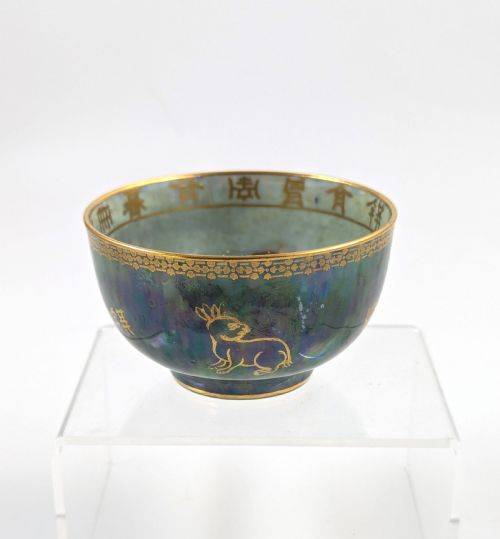
An antique lustreware bowl captures light through a metallic glaze film applied during ceramic firing. These pieces span centuries of production, from early Middle Eastern earthenware to Edwardian porcelain and bone china.
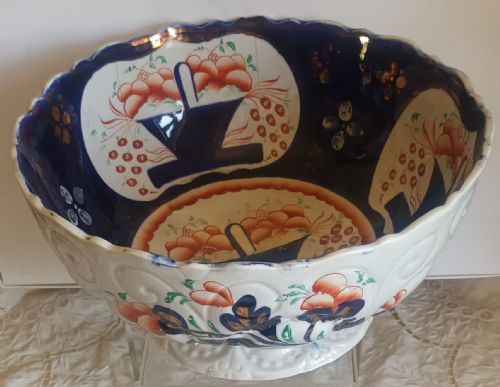
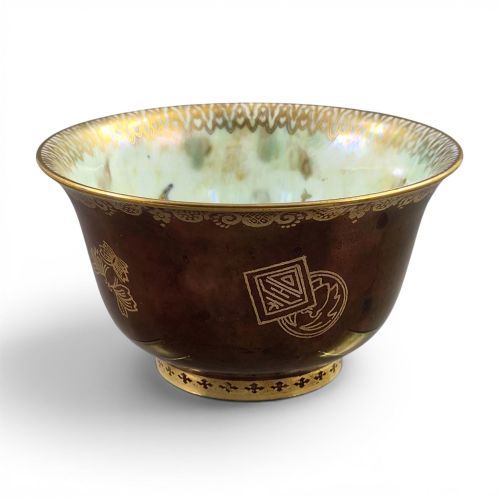
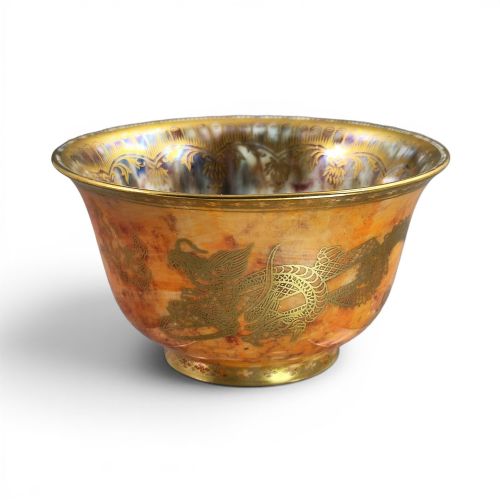
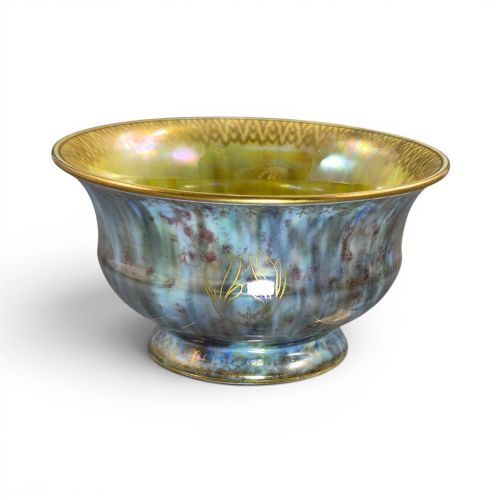
The version most likely to meet a buyer on this page is the early twentieth century Wedgwood piece designed by Daisy Makeig-Jones, often featuring elaborate fantasy motifs. Alongside these sit nineteenth century Sunderland and Victorian pottery vessels, plus Persian Islamic bowls dating back to the thirteenth century.
Forms vary from standard round vessels to octagonal bowls, miniature cups, and larger decorative table items. Each shape carries specific decorative schemes, from dragon patterns and butterflies to traditional British floral designs.
How they were made
Potters applied metallic oxides, including gold leaf and copper, over a fired glaze before placing the ceramic back into a reduced oxygen kiln. This chemical reduction leaves a thin, iridescent metallic film on the surface.
Earthenware, bone china, and porcelain bodies received hand-painted details in gilt and enamel colours beneath or over the lustre glaze. The firing process required precise temperature control to achieve the characteristic rainbow or solid metallic sheen.
Antique Lustreware Bowl Retail Price Guide 2026
Typical asking prices for lustreware bowl among the pieces listed under this phrase on Sellingantiques today, from the lower quarter to the upper quarter. They describe what is for sale here now, not the wider market.
The listings on this site combine early Persian Islamic earthenware with twentieth-century bone china and porcelain.
What varies in quality
The clarity and depth of the metallic sheen determine the visual impact of an antique lustreware bowl. Richly layered designs with detailed hand-painting show superior technical execution compared to plain, flat monochrome glazes.
The complexity of the narrative or decorative scheme separates standard production from exceptional work. Intricate fantasy patterns and well-preserved gilt highlights demand higher skill from the decorator and painter.
Daisy Makeig-Jones Wedgwood·James Hodgkiss·Wedgwood
The Antique Lustreware Bowl Glossary
- Lustre Glaze
- A ceramic coating containing metallic salts that produce an iridescent or metallic sheen upon reduction firing. This technique creates the reflective finish characteristic of these bowls.
- Bone China
- A type of soft-paste porcelain containing animal bone ash that produces a strong, highly white body. It allows for thinner walls and delicate form creation.
- Earthenware
- Porous pottery fired at lower temperatures, commonly used for nineteenth century folk art vessels and early utilitarian bowls. It requires a glaze to hold liquids.
- Gilt
- A thin layer of gold applied to the ceramic surface for decorative accenting. It often outlines motifs or highlights rims and handles.
Antique Lustreware Bowl: Frequently Asked Questions
How do I clean an antique lustreware bowl?
Dust the surface gently with a soft, dry cloth to prevent scratching the delicate metallic glaze. Avoid using chemical detergents, abrasive sponges, or submersion in water.
Water can seep into older earthenware bodies or erode fragile gilt details over time. Keep the vessel in a stable indoor environment away from direct sunlight.
Can I use an antique lustreware bowl for food?
Many older ceramic glazes contain metallic compounds that are unsuitable for serving food or drink. Use these pieces strictly for decorative display in your home.
Displaying them safely preserves the historical glaze from chemical wear and accidental chipping.
How do I identify Persian lustreware?
Early Persian pieces from centres like Kashan typically feature earthenware bodies with characteristic mina'i or metallic overglaze painting. The motifs often include horse and rider figures or geometric Islamic patterns.
These pre-sixteenth century objects show distinct potting techniques and mineral ageing compared to later European industrial wares.
What is Fairyland lustre?
Fairyland lustre is a complex Wedgwood pattern line developed in the early twentieth century featuring fantastical subjects like elves, dragons, and floating figures. The designs utilise rich orange, green, and ruby glaze grounds.
These pieces represent some of the most intricate decorative work executed in British ceramics during the Edwardian period.