


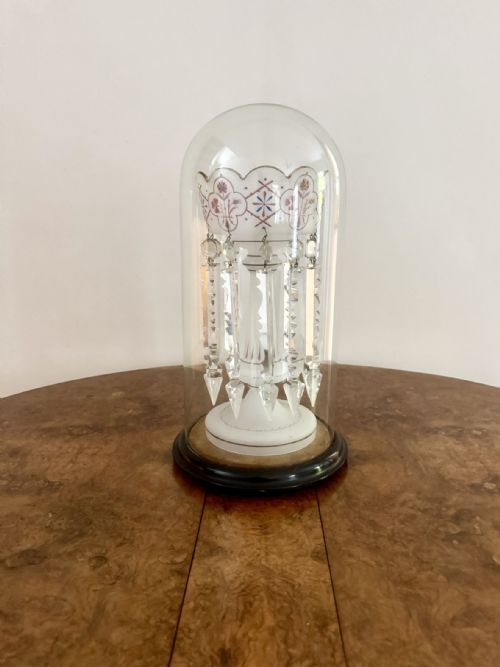


Antique Lustre Vase
An antique lustre vase catches light with a metallic sheen, bringing colour and depth to a mantelpiece.
Antique Lustre Vase
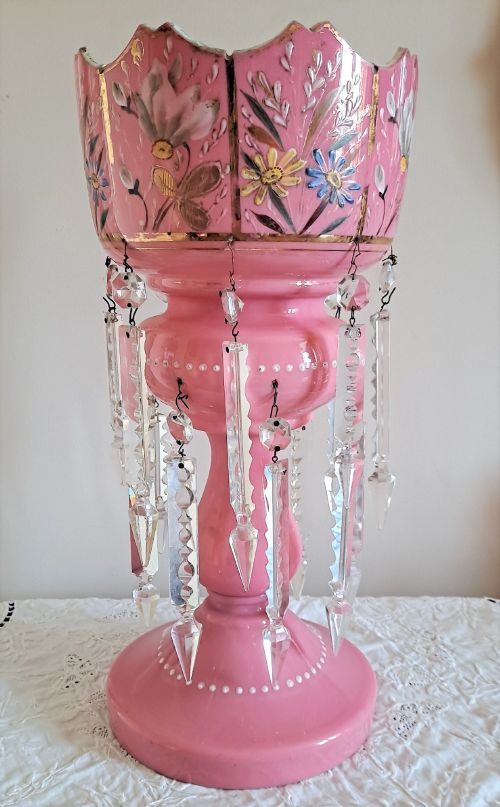
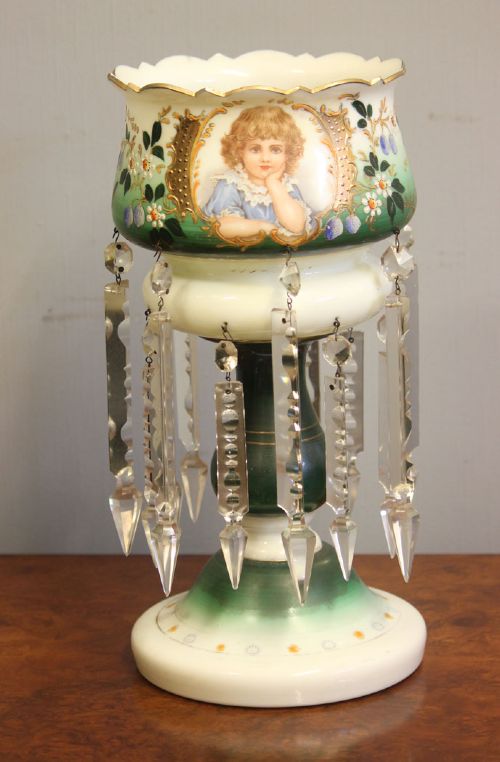
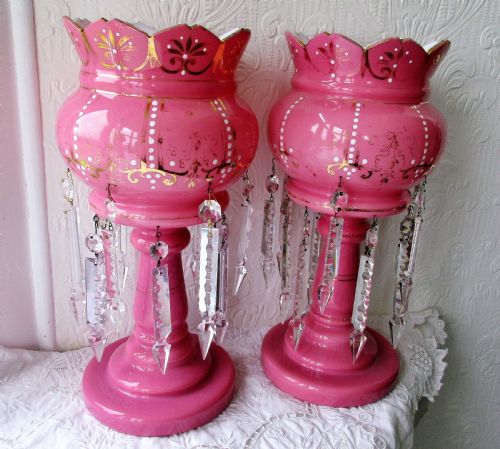
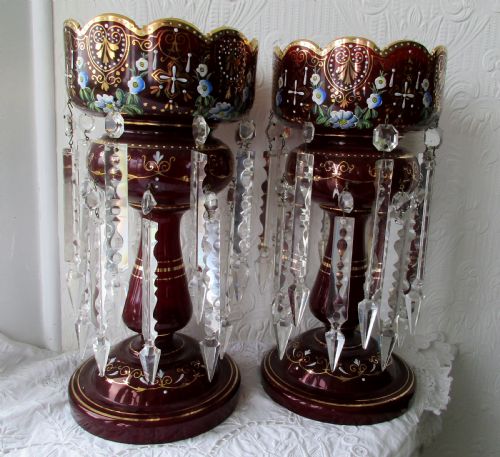
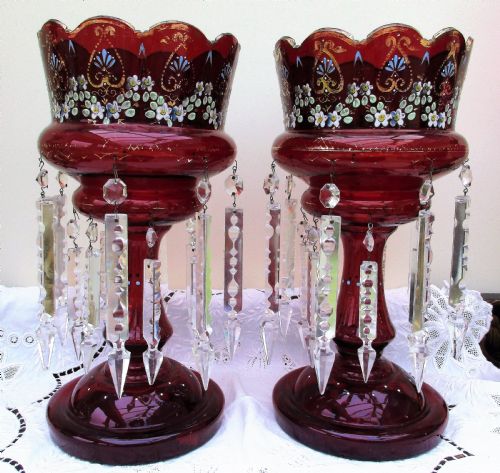
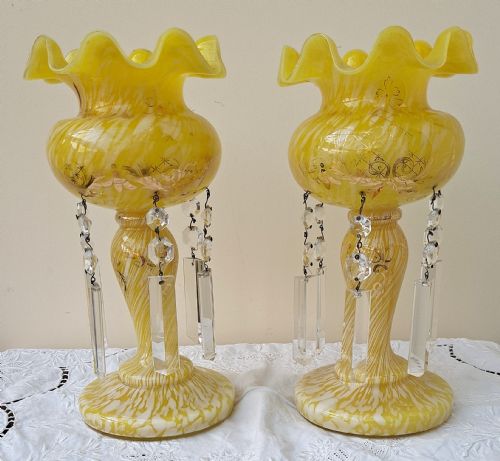
When you search for an antique lustre vase, you encounter a fascinating intersection of ceramic and glass artistry designed to refract ambient light. These decorative vessels span the nineteenth century and the early twentieth century, taking forms from simple baluster vases to elaborate mantel lustres hung with glass drops. The most frequent examples on this page are Victorian glass table lustres in saturated shades of ruby, green, pink, and cranberry, alongside earthenware pieces decorated by notable potteries.
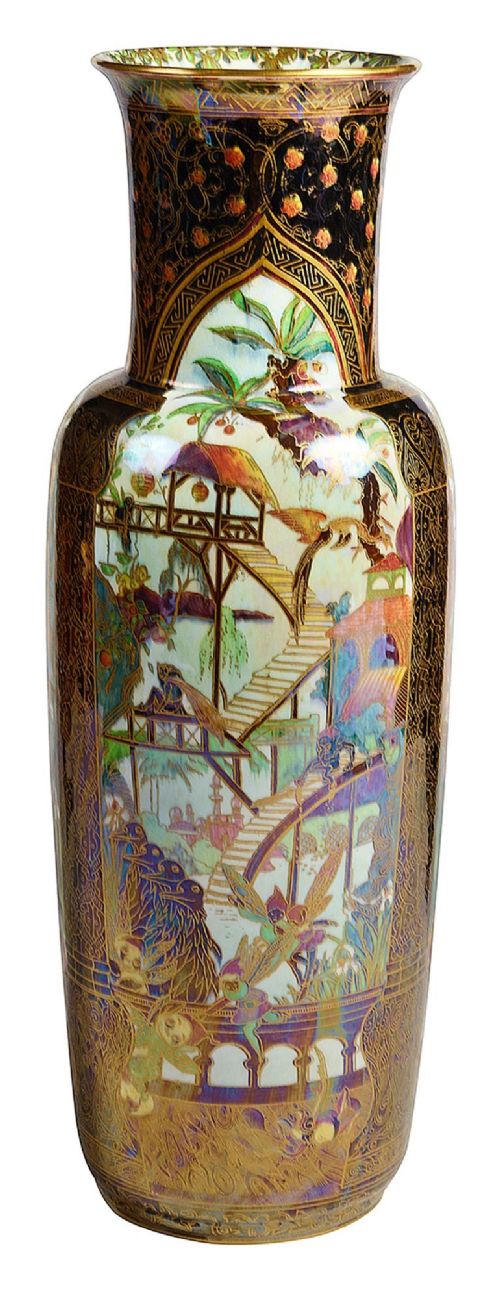
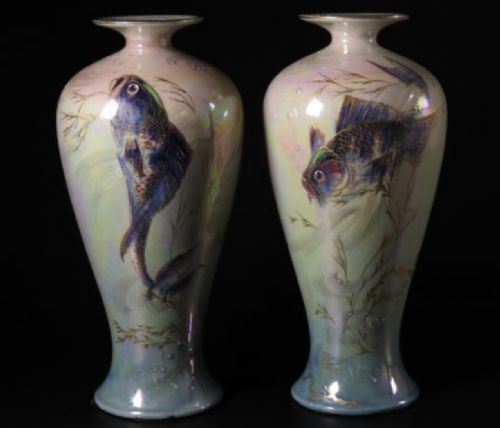
The term also encompasses distinct ceramic traditions, notably English earthenware from firms producing iridescent glazes during the early twentieth century. These earthenware pieces often feature intricate hand-painted designs, including fairy motifs, fish, and abstract patterns. Whether formed from flash glass or glazed earthenware, each piece relies on metallic oxides or surface treatments to achieve its characteristic shimmering finish.
How they were made
Glassmakers created coloured vessels by introducing metallic compounds to the molten batch or by casing layers of contrasting glass, such as ruby over clear, before cutting facets through the top layer. Artisans then applied enamel details and gold leaf highlights by hand, firing the pieces to fix the decoration.
Ceramic pieces utilised specialised metallic glazes containing silver or copper oxides, fired in a reduced oxygen kiln atmosphere to precipitate a brilliant, iridescent sheen on the earthenware body.
Antique Lustre Vase Retail Price Guide 2026
Typical asking prices for lustre vase among the pieces listed under this phrase on Sellingantiques today, from the lower quarter to the upper quarter. They describe what is for sale here now, not the wider market.
Many Victorian tables gained an accidental musical accompaniment as the glass prisms on mantel lustres chimed in the draft.
What varies in quality
The refinement of the painted and gilt decoration dictates the upper tier of value, particularly on earthenware where hand-enamelled mythical scenes or naturalistic subjects demand high artistic skill. In glass examples, depth of colour, precision of the cut facets, and the presence of matching original cut glass hanging prisms determine distinction.
Purity of form and the crispness of the moulded or blown silhouette separate standard production from superior workshop output. The retention of intact, original gilding without rubbing elevates the standing of both ceramic and glass pieces.
Wedgwood·Shelley·Minton·Cantagalli·Royal Lancastrian
The Antique Lustre Vase Glossary
- Lustre
- A ceramic glaze or glass surface treatment containing metallic oxides that produces an iridescent, reflective sheen. It captures and reflects light dynamically.
- Mantle Lustre
- A decorative vase fitted with a ring of hanging glass prisms or drops around the rim, designed for display on a fireplace mantel. The pendants catch the flickering light of a room.
- Flash Glass
- Glass composed of a thin layer of coloured glass fused over a thicker layer of clear or contrasting glass. Craftsmen cut through the outer coloured layer to reveal the contrasting glass beneath.
- Earthenware
- Porous pottery fired at lower temperatures than stoneware or porcelain, requiring a glazed surface to become impervious to liquids. It serves as the primary body for many decorative lustre wares.
- Enamel
- Opaque, vitreous composition applied as a decoration to the surface of glass or ceramics and subsequently fired. It provides vibrant, raised blocks of colour.
Antique Lustre Vase: Frequently Asked Questions
What is a mantel lustre?
A mantel lustre is a decorative vase featuring a rim hung with cut glass prisms designed to catch and refract candle or firelight.
These pieces were traditionally displayed in pairs on drawing room mantelpieces during the nineteenth century.
How do I clean glass lustres?
Glass lustres require gentle cleaning with a soft, damp cloth to protect delicate surface gilding and enamel work.
Harsh chemical cleaners and immersion in water should be avoided, especially where glass drops hang from metal wire attachments.
What is Fairyland Lustre?
Fairyland Lustre is an imaginative line of earthenware developed by Daisy Makeig-Jones featuring fantastical subjects like elves, goblins, and mystical landscapes.
These pieces utilise complex multi-fired metallic glazes to create rich, iridescent backgrounds for whimsical hand-painted scenes.
How can I tell ruby glass from cranberry glass?
Ruby glass generally displays a deep, intense crimson hue produced by gold chloride in the glass batch, often showing dense saturation.
Cranberry glass tends to present a lighter, pinker tone reminiscent of fruit juice, frequently used in Victorian table ornaments and lustres.