
Antique Low Storage Cabinet
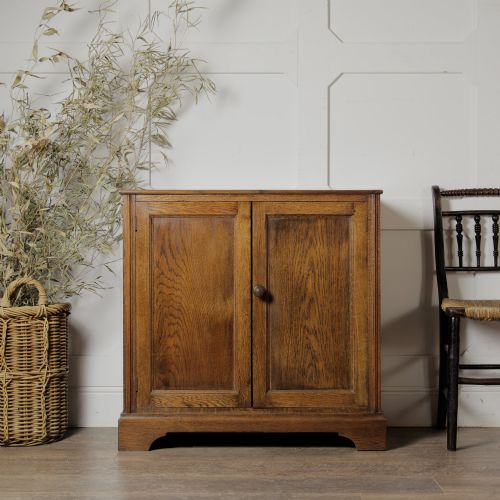
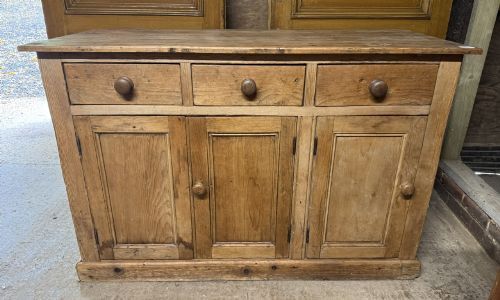
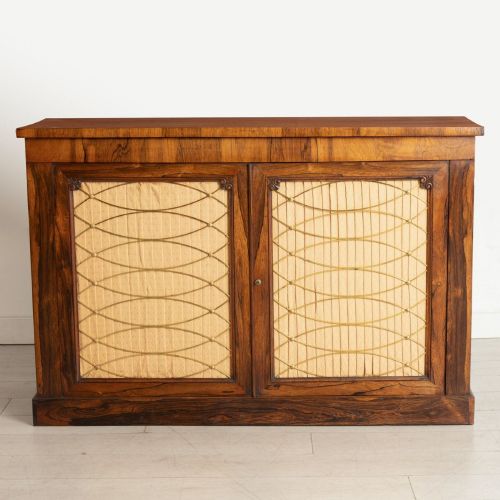
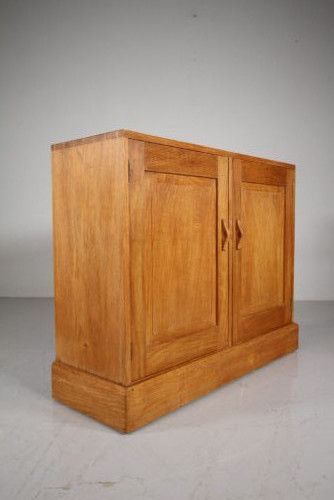
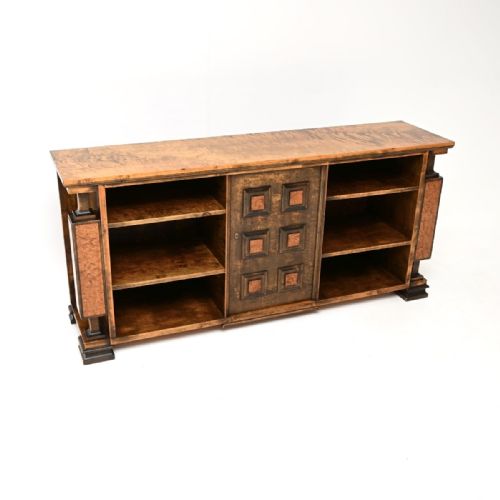
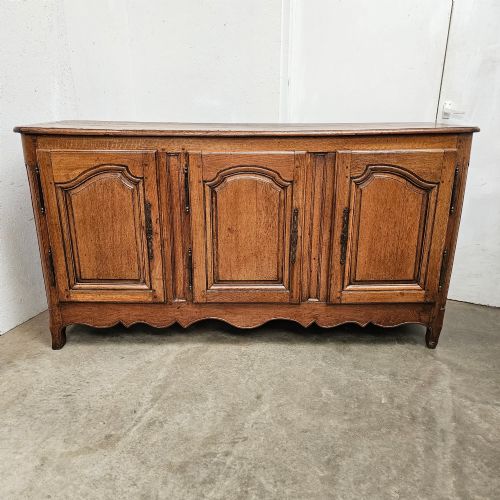
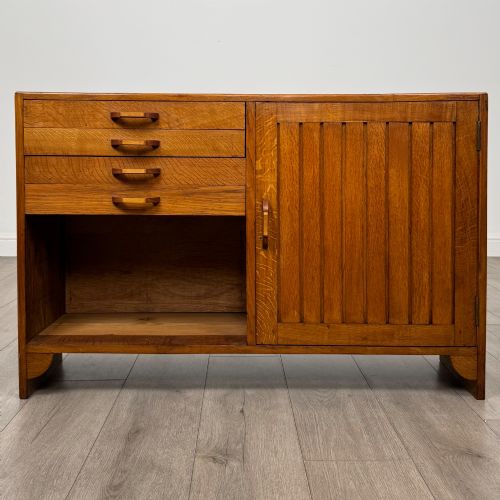
An antique low storage cabinet brings compact utility to a room, offering surface space above enclosed storage scaled for modest proportions.
Antique Low Storage Cabinet
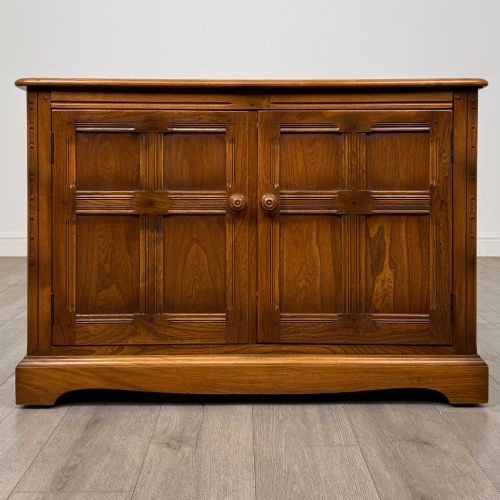
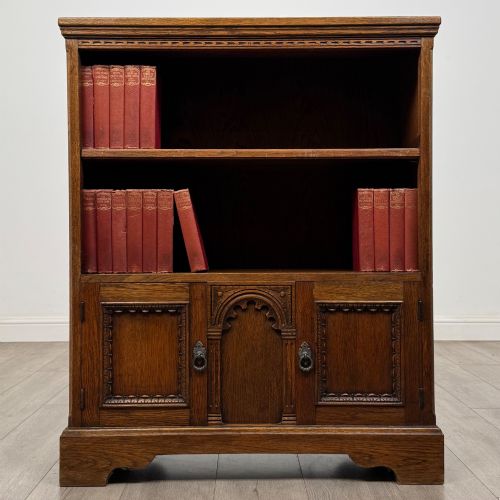
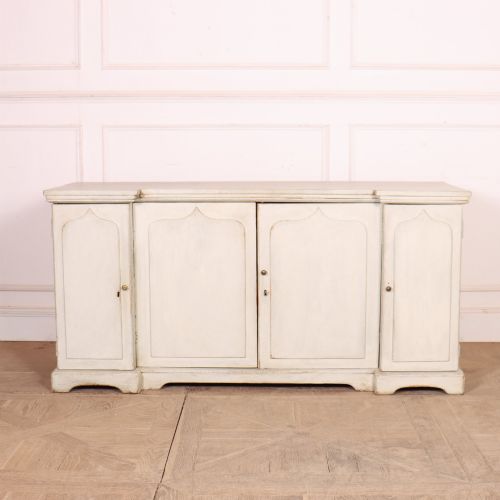
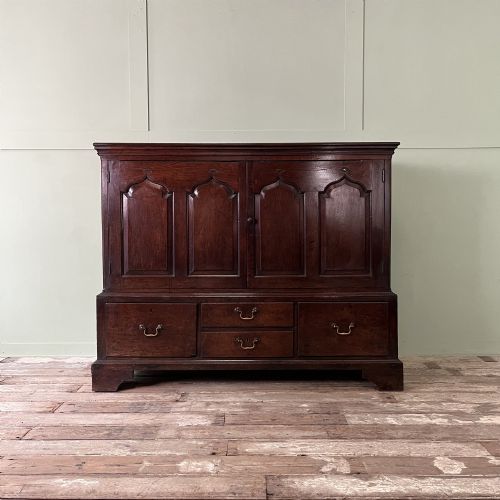
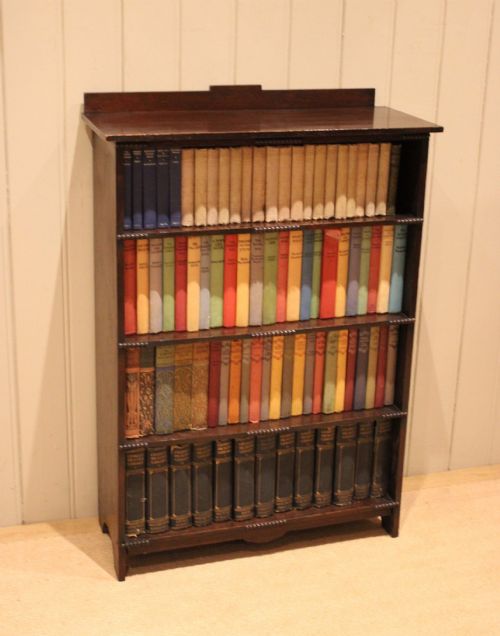
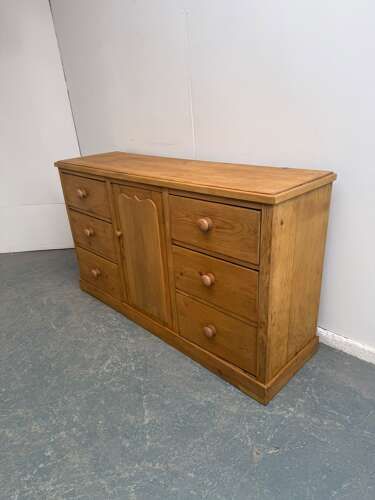
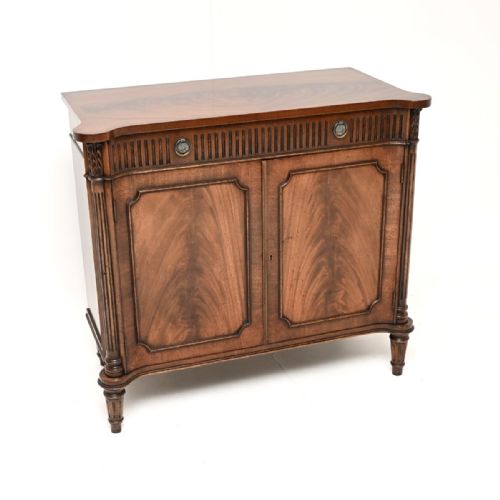
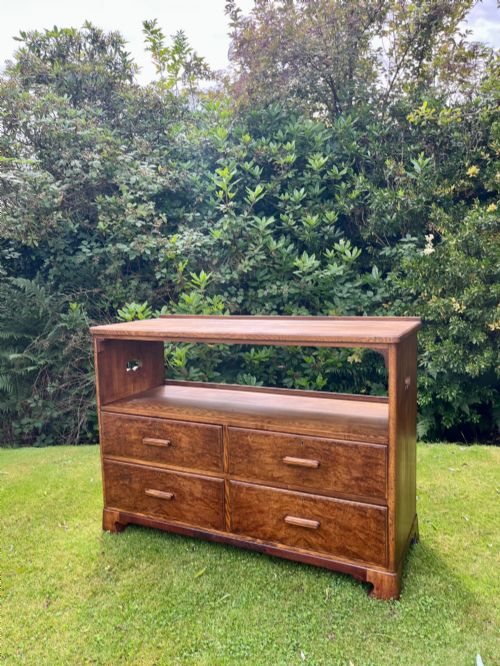
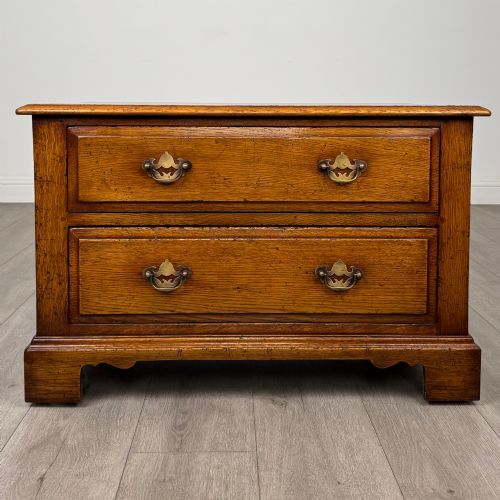
When searching for an antique low storage cabinet, buyers encounter pieces designed to keep items stowed below eye level while providing a useful top surface. These utilitarian forms frequently appear as low cupboards, dresser bases, side cabinets, and compact bookcases.
The selections span multiple eras, with specimens originating from the 18th century, the Georgian period, the Regency era, through Victorian times and into the Edwardian years and 1930s. Oak and mahogany dominate the offerings, alongside pine, walnut, rosewood, and fruitwood.
Regional styles vary from English country and Victorian to French provincial and Cotswold School designs. Buyers are most likely to meet oak and pine cupboards or mahogany side cabinets originating from domestic domestic settings.
Materials and construction
Cabinet makers utilised dense hardwoods such as oak, mahogany, walnut, and rosewood for formal rooms, while utilitarian pieces relied on pine and fruitwood. These timbers were selected for their durability and grain, often finished with wax or left in original paint.
Construction techniques involved traditional joinery suited to daily service, incorporating brass and iron hardware for hinges and pulls. Glass panels appear on select display variants, while specific examples showcase gothic elements or beaded edges.
Listings feature low storage cabinets spanning the 17th-century style through to 1930, constructed primarily in oak, mahogany, pine, and walnut.
Judging quality in low storage pieces
Quality rests in the selection of timber and the integrity of the cabinetmaker's construction. Finely figured burr walnut, goncalo alves, or selected golden oak distinguish superior examples from standard utility items.
Proportion and detail dictate distinction, where crisp mouldings, original hardware, and thoughtful proportions elevate a utilitarian cupboard or dresser base. The presence of untouched original surfaces or regional characteristics adds further distinction.
Whytock and Reid
The Antique Low Storage Cabinet Glossary
- Dresser base
- A low freestanding cabinet featuring drawers and cupboards, originally used in kitchens for food preparation and storage. They typically offer a wide surface top above enclosed shelving.
- Enfilade
- A suite of rooms or, in furniture terms, a long cabinet with multiple doors, usually three, aligned in a row. French examples often employ oak.
- Goncalo Alves
- A dense exotic hardwood with striking contrasting grain patterns, utilised during the Regency period for high-status cabinets.
- Linen press
- A tall or low cupboard designed originally for storing folded linens on internal sliding trays or shelves. Georgian and 18th-century examples frequently use solid oak.
- Military campaign
- Portable furniture constructed for officers on active service, typically featuring brass corners, recessed handles, and sectional building for easy transport.
Antique Low Storage Cabinet: Frequently Asked Questions
Where should I place a low storage cabinet?
These cabinets suit hallways, living rooms, and bedrooms where height is restricted beneath windows or art. Their low profile maintains an open feeling in the room.
They function well beneath mirrors or paintings, offering accessible surface space alongside concealed storage for everyday items.
How do I care for antique wood surfaces?
Maintain waxed timber by applying a quality beeswax periodically to nourish the grain and protect against drying. Avoid placing cabinets near direct heat sources or strong sunlight.
Dust regularly with a soft, dry cloth and clean polished surfaces gently without harsh chemical sprays.
What is the difference between a dresser base and a sideboard?
A dresser base originates from domestic kitchen and pantry use, generally featuring robust construction in oak or pine with deep drawers and cupboards. They reflect utilitarian origins.
Sideboards developed primarily for dining rooms to serve food and store tableware, frequently appearing in refined mahogany, walnut, or rosewood during later periods.
How can I date an oak storage cabinet?
Examine the timber characteristics, construction joints, and hardware style to determine the period. Early pieces from the 18th century often display hand- cut boards and pegged joinery.
Later Victorian and Edwardian examples incorporate machine-sawn timber, standardised fixings, and revival styling such as Jacobean or Gothic elements.